

How to Effectively Use Asphalt Patch for Long Lasting Repairs

In the world of road maintenance, correctly using an asphalt patch can extend the life of any surface. Frank Johnson, a seasoned asphalt expert, once said, "A good asphalt patch isn't just about the materials; it's about the method." This highlights the importance of technique in achieving effective repairs.

Many homeowners face challenges when applying asphalt patches. It often leads to mistakes that can shorten the lifespan of repairs. For instance, neglecting proper surface preparation can result in a poor bond and quick failure. Furthermore, weather conditions can significantly impact the outcome. Applying asphalt patch in the rain or extremely cold temperatures can lead to subpar results.

While asphalt patches seem straightforward, they require attention to detail. Simple errors can lead to excessive wear and visible deterioration. Observing best practices can make a difference. Understanding the right mix, application methods, and curing time is vital for durable repairs. Through carefully executed repairs, one can achieve a lasting impact on pavement longevity.

How to Effectively Use Asphalt Patch for Long Lasting Repairs

Understanding Asphalt Patch: Types and Applications

How to Effectively Use Asphalt Patch for Long Lasting Repairs

Understanding Asphalt Patch: Types and Applications

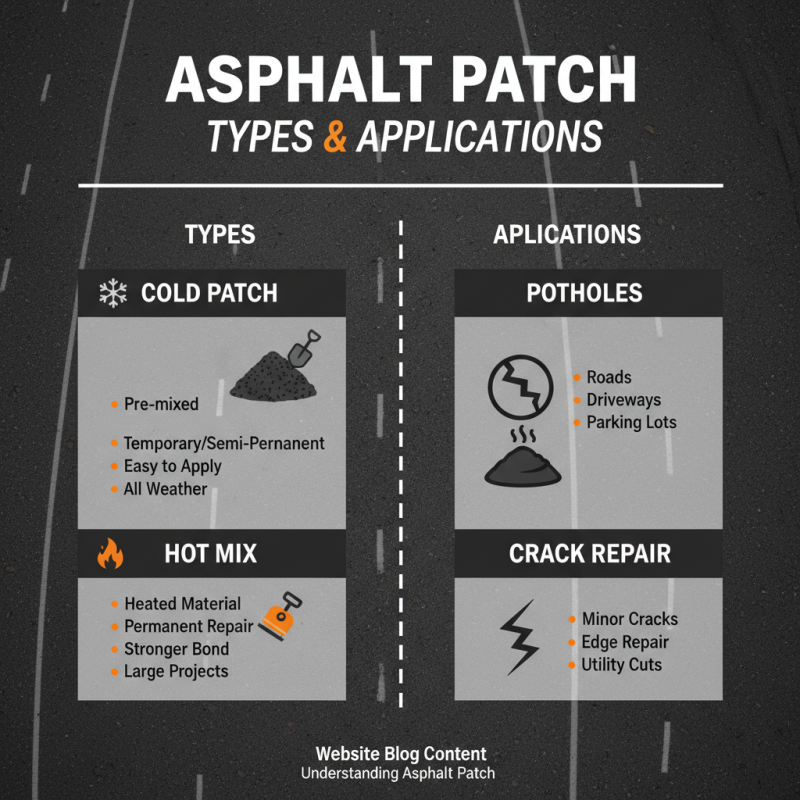
Asphalt patches come in various types, each designed for specific situations. Cold patch is a popular choice for emergency repairs. It’s easy to use and doesn’t require special equipment. Hot mix asphalt is ideal for permanent fixes. However, it needs to be applied when warm. This can be tricky if the weather is unpredictable.

Different situations call for different applications. For small cracks, crack filler is enough. This product penetrates the surface and provides a seal. Larger holes require a more comprehensive patching material. It’s important to ensure that the area is clean. Any debris can cause the patch to fail prematurely. Skipping this step might save time, but it leads to bigger issues.

Mixing these materials can feel daunting. Users often struggle to find the right consistency. Too thick, and it won’t fill the gaps. Too thin, and it won’t stick. Testing small amounts first can help in finding the right balance. Each type has pros and cons. It’s vital to analyze which one meets your needs better.

Preparing the Surface: Essential Steps for a Successful Repair

Preparing the surface for an asphalt patch is crucial for ensuring lasting repairs. An unprepared surface can lead to premature failure of the patch. The National Asphalt Pavement Association highlights that proper surface preparation can enhance the performance of pavement by up to 30%. Clearing debris, oil, and loose material is essential. Even small dirt particles can impact adhesion.

Start by using a wire brush or a pressure washer to clean the area. It helps remove dirt and prevents contaminants from interfering with the patch bond. Take time to inspect for cracks or holes. Filling these defects before applying an asphalt patch is vital. Many operators overlook this step, leading to an ineffective repair. It’s a missed opportunity for a more durable solution.

Consider the weather during repairs. Ideal temperatures should be above 50°F for the best results. Applying patch material in the wrong conditions may cause it to crack or peel off. A common misstep is rushing the preparation process. Patience is key in achieving a surface ready for a successful asphalt repair.

How to Effectively Use Asphalt Patch for Long Lasting Repairs - Preparing the Surface: Essential Steps for a Successful Repair

Step Description Tools Required Estimated Time
1 Clean the Area Broom, Pressure Washer 30 minutes
2 Inspect for Cracks Flashlight, Chisel 15 minutes
3 Cut and Remove Damaged Asphalt Cold Chisel, Hammer, Digging Tools 1 hour
4 Prepare the Patch Material Mixing Tool 15 minutes
5 Apply the Asphalt Patch Trowel, Tamper 1 hour
6 Smooth and Finish Lawn Roller 30 minutes

Applying Asphalt Patch: Techniques for Optimal Results

Applying asphalt patch effectively can extend its lifespan significantly. According to a report from the National Asphalt Pavement Association, properly applied patches can last up to 10 years, if done right. This requires attention to detail and specific techniques.

Preparation is key. Start by cleaning the area well. Remove dirt, debris, and any loose asphalt. If moisture remains, it can undermine the patch bond. A simple pressure wash can do wonders. But remember, over-wetting can cause problems too. Ensure it's dry before application.

Next, choose the right patching material. Cold mix asphalt is versatile, but warm mix can offer superior bonding. The surface temperature needs to be at least 50 degrees Fahrenheit for a strong adhesion. When applying the patch, don’t rush. Filling it slightly above the surface level allows for compaction during curing. Keep in mind, proper compaction is crucial. Inadequate compaction can lead to premature failure. Pay attention to these details for better results.

Curing and Maintenance: Ensuring Long-Lasting Repairs

How to Effectively Use Asphalt Patch for Long Lasting Repairs

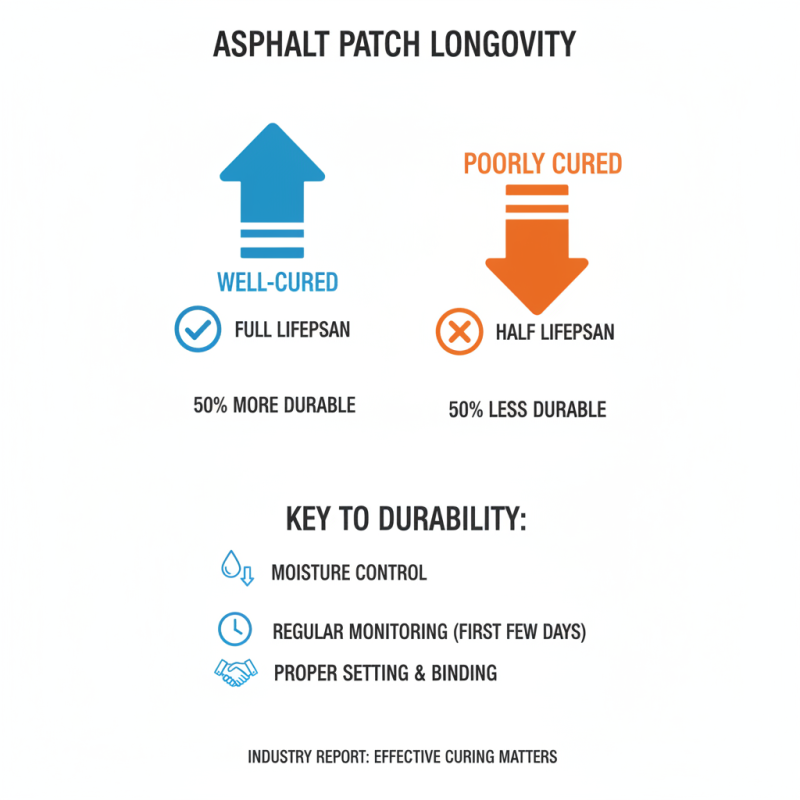
Effective curing and maintenance are crucial for ensuring long-lasting repairs when using asphalt patch. According to recent industry reports, poorly cured patches can lead to a significant decrease in lifespan, often 50% less durable than well-cured patches. Proper curing allows the asphalt to set and bind effectively. It is essential to keep the patch moisture-controlled during the curing phase. This often involves regular monitoring for the first few days after application.

Maintenance plays a vital role in prolonging repair effectiveness. Routine inspections and care can identify issues before they worsen. A study found that neglected patches can develop cracks within six months, attending to minor cracks right away can save repair costs. Consider seal coating the patched area annually. It can help protect the surface and extend longevity.

However, a common oversight is waiting too long for maintenance checks. Many property owners underestimate the importance of regular upkeep. This often leads to more extensive, costly repairs down the line. Balancing immediate needs with future considerations can be challenging, but it is necessary for lasting results.

Troubleshooting Common Issues with Asphalt Patching

When using asphalt patch, issues can arise that affect the repair's longevity. One common problem is improper surface preparation. If the area isn't cleaned well, the patch may not bond properly. This can lead to cracks or peeling. Make sure to remove debris and loose stones. Wet surfaces can complicate adhesion too. A dry base will improve the patch's performance.

Another common challenge is temperature. Asphalt should be applied in suitable weather. Cold conditions can inhibit proper curing. In hot weather, the asphalt may become too soft, resulting in deformities. Monitor the temperature before starting the patching process. If you notice any discoloration or bubbling after application, know that this could signal a problem. Adjusting your approach can save time and money in the long run. Always take a moment to assess and reflect on your technique.

Effectiveness of Asphalt Patching: Repair Longevity by Patch Type

Find the Right Repair Product for Your Project

Need to find the most appropriate product for the needs of your project? We can help because we have over 70 years of experience servicing the industry with every kind of project, from Do-it-yourself projects to large skyscrapers. Package Pavement has the experience, the knowledge and the products to help every project succeed.

Quikrete Repair Products
Legend
Package Pavement has two convenient locations in Stormville, NY (Dutchess County) and Ravena, NY (Greene County) to serve the Northeastern Region with bagged concrete, blacktop, mortar, and repair products. This map gives a general idea of where we service and the product lines we offer.
Package Pavement Products
Quikrete Products
Spec Mix Products
map

Our Brands Websites