How to Effectively Replace Damaged WPC Panels?

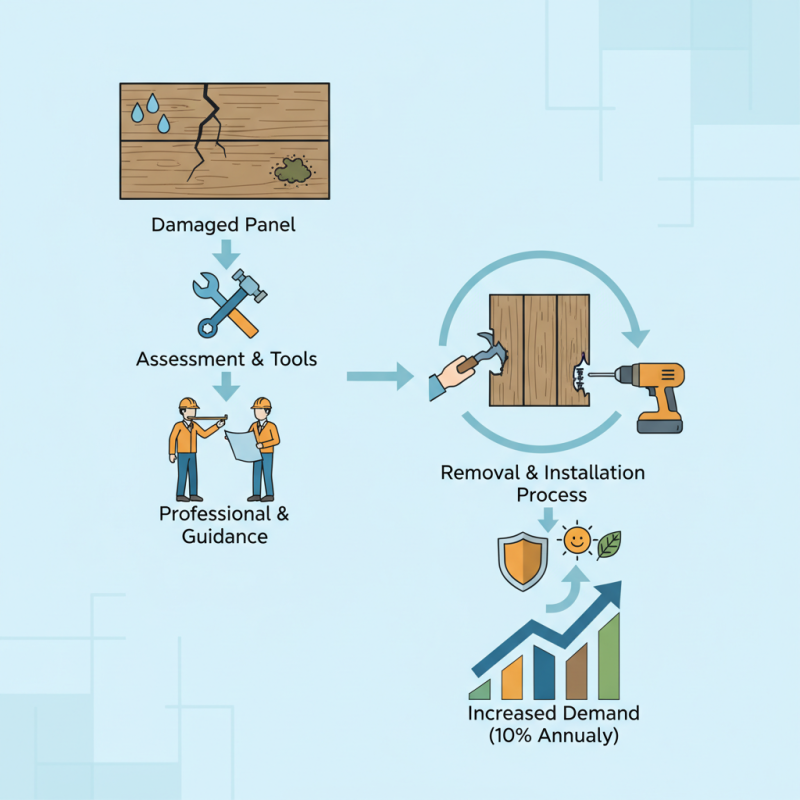
WPC (Wood-Plastic Composite) panels are increasingly popular in construction and design. They offer durability and an attractive finish but are not immune to damage. According to a report by Freedonia Group, the demand for WPC materials is expected to rise by over 10% annually through 2025. This highlights the importance of ensuring their longevity, particularly when faced with wear and tear.

When it comes to replacing damaged WPC panels, understanding the composition of these materials is crucial. Many homeowners overlook basic maintenance, leading to more significant issues over time. For instance, moisture can weaken panels and promote mold growth, a problem noted in 15% of reported damage cases. Thus, timely intervention is key when you need to Replace Damaged Wpc Panels.

Professional guidance can make a difference. Following best practices helps avoid missteps that can compound existing issues. Quality installation tools and methods can increase the lifespan of new panels, ensuring they withstand the test of time. The process involves steps that require attention to detail, which is often neglected but essential for achieving a satisfactory outcome.

How to Effectively Replace Damaged WPC Panels?

Understanding WPC Panels and Their Common Damages

WPC panels, or wood-plastic composites, are popular in various applications due to their durability and aesthetics. However, these panels are not immune to damage. Common issues include warping, cracking, and fading, often caused by environmental factors like moisture and UV exposure. Identifying the specific damage is crucial for effective replacement.

Warping occurs when panels are exposed to prolonged moisture. This can lead to significant structural issues if not addressed. Cracking, on the other hand, is usually due to thermal expansion or heavy impacts. It's essential to inspect panels regularly to catch these damages early. Fading may reduce the visual appeal of the panels but does not affect their structure. Understanding these common damages helps in making informed decisions about repairs or replacements.

Replacing damaged WPC panels should be a careful process. Start by measuring the area of the damaged panel accurately. Select a replacement that matches the original in size and color. In some cases, finding a perfect match can be challenging, leading to noticeable differences after installation. Take your time to ensure the new panel integrates well with existing structures for a cohesive look. An informed approach can significantly enhance the overall durability and appearance of your installation.

Tools and Materials Needed for Replacement of WPC Panels

When replacing damaged WPC (Wood-Plastic Composite) panels, having the right tools and materials is crucial. You'll need a sturdy saw, preferably a circular or jigsaw, for precise cuts. A power drill is essential for attaching new panels. Don't forget safety equipment like goggles and gloves. These protect you while working with composite materials that can splinter.

In addition to tools, gather your replacement WPC panels and installation accessories. Materials like screws or clips are important for a secure fit. Check the weatherproofing of your panels; exposure to moisture can lead to warping. While working, measure twice before cutting. This common mistake can waste materials and time. Overall, ensuring you have everything at hand can simplify the replacement process significantly.

Always keep your workspace organized to avoid misplacing tools or materials.

Step-by-Step Guide to Removing Damaged WPC Panels

Removing damaged WPC panels can be challenging. Start by assembling your tools: a pry bar, utility knife, and safety goggles. Before you begin, make sure you’re working in a well-lit area. Evaluate the extent of the damage. Sometimes, only a section needs replacement. This assessment will save time and materials.

To remove the panel, gently insert the pry bar between the damaged panel and the underlying structure. Apply steady pressure until the panel begins to lift. If the panel is stubborn, use the utility knife to cut any adhesive or fasteners holding it in place. Take care not to damage adjacent panels during this process.

After the old panel is detached, clean the area thoroughly. Check for any underlying issues like rot or mold. Addressing these issues is crucial before installing new panels. It’s easy to overlook small problems, but they can lead to bigger ones later. Reflect on your process. Did you take your time? Rushing can lead to mistakes. Keep a steady pace for the best results.

Installing New WPC Panels: Techniques and Tips

When installing new WPC panels, attention to detail makes a sizeable difference. Begin by measuring the area accurately. Using a level is crucial to ensure the panels fit seamlessly. Misalignments can lead to larger issues down the line. Cut the panels carefully, leaving enough space for expansion. This often gets overlooked, yet it can save future headaches.

Consider the condition of the supporting structures. Any damage there can undermine your new installation. Replace old nails or screws with corrosion-resistant options. They enhance durability and protect against moisture. It’s a small step that provides significant long-term benefits. Remember, precision during installation is vital for aesthetics and functionality.

It’s easy to get excited about a fresh look, but don’t rush the process. Focus on securing each panel properly. Improper installation can lead to warping and gaps. Always follow manufacturer guidelines, even if they seem tedious. This ensures you get the best performance from your new WPC panels. Taking your time may highlight areas for improvement. Embrace these moments, as they contribute to a successful project.

Maintaining WPC Panels After Replacement to Extend Lifespan

After replacing damaged WPC panels, proper maintenance is crucial to extend their lifespan. Regular cleaning is essential. Dust, dirt, and organic debris can accumulate, leading to potential staining or mold growth. Use a soft-bristle brush and a mild detergent solution to clean the surface. It's a simple task that can prevent larger issues later.

Another important step is sealing the panels. A quality sealant can protect against moisture and UV damage. Reapply the sealant every couple of years. This practice ensures that the panels retain their color and structural integrity. Despite the effort put into maintenance, some might forget or neglect these tasks. Over time, this can lead to premature wear and tear.

Monitor your WPC panels for any signs of damage or fading. Early detection can help address problems before they escalate. Use gentle, non-abrasive materials for any repairs. Each of these practices fosters a longer life for the panels. While effort is required, the benefits will outweigh any inconvenience.

Find the Right Repair Product for Your Project

Need to find the most appropriate product for the needs of your project? We can help because we have over 70 years of experience servicing the industry with every kind of project, from Do-it-yourself projects to large skyscrapers. Package Pavement has the experience, the knowledge and the products to help every project succeed.

Quikrete Repair Products
Legend
Package Pavement has two convenient locations in Stormville, NY (Dutchess County) and Ravena, NY (Greene County) to serve the Northeastern Region with bagged concrete, blacktop, mortar, and repair products. This map gives a general idea of where we service and the product lines we offer.
Package Pavement Products
Quikrete Products
Spec Mix Products
map

Our Brands Websites