
How to Effectively Perform Cement Repair for Lasting Results?

Cement repair is a critical task in maintaining structural integrity. According to Dr. Michael Johnson, a leading expert in the field, "The key to successful cement repair lies in proper preparation and selection of materials." This highlights the importance of understanding the nuances of the materials involved.

Many factors can affect the effectiveness of cement repair. For instance, surface preparation is often overlooked. Dusty or damp surfaces can hinder adhesion. Choosing the right type of cement is also vital. For instance, some repairs require faster setting times, while others need durability over time.

However, even the best materials won't guarantee lasting results without skilled application. Mistakes in mixing or application can lead to premature failure. Reflecting on past projects can reveal areas for improvement. Cement repair requires patience and precision to achieve the desired outcome.

How to Effectively Perform Cement Repair for Lasting Results?

Understanding the Importance of Cement Repair for Structural Integrity

Cement repair plays a crucial role in maintaining structural integrity. Cracks and wear can undermine a building's safety. Neglecting these issues can lead to costly consequences. Over time, water infiltration can occur, creating further deterioration of the underlying materials. Addressing these concerns promptly ensures long-lasting strength.

Understanding the importance of cement repair starts with visual inspections. Look for signs of cracking or uneven surfaces. These may seem minor but can indicate serious problems. Structural elements often bear heavy loads. Even a small crack can spread, gaining size and depth. It’s essential to react quickly, yet many delay repairs. This indecision can lead to bigger failures. Sometimes, the tools or skills needed are lacking, causing hesitation.

Proper planning can enhance repair effectiveness. Choosing the right mix and technique is vital. Ensure a clean surface before application for better adhesion. A well-executed repair can extend the life of structures. Yet, the process can be tricky. Missteps may occur, resulting in uneven surfaces or poor bonding. Reflecting on previous repairs can provide insights for improvement. Consistent maintenance and education are key to success.

Assessing Damage: Identifying Types of Cement Repairs Needed

How to Effectively Perform Cement Repair for Lasting Results?

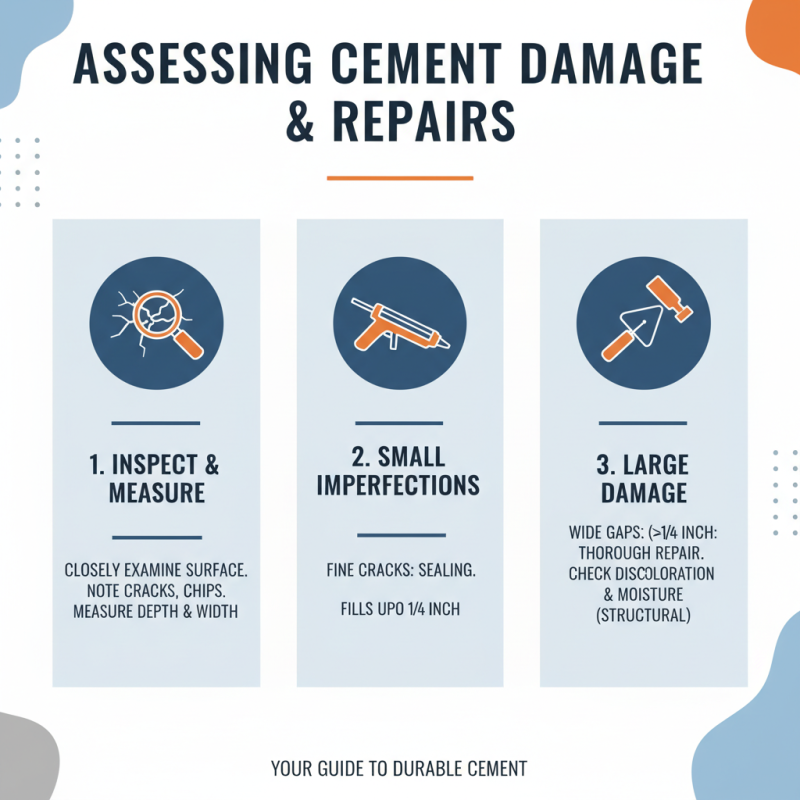
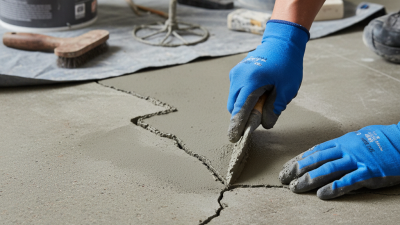
When assessing damage for cement repairs, start by inspecting the surface closely. Look for cracks and chips. Measure the depth and width of these imperfections. Small cracks may just need sealing. Larger gaps, often more troublesome, require thorough attention. Pay attention to any discoloration or moisture buildup. These might indicate deeper structural issues.

Identifying the type of repair is crucial. For minor surface cracks, a cement filler can suffice. However, if the damage is extensive, full section replacement may be necessary. Ensure you also check for loose pieces. They can compromise the integrity of the entire structure. It’s often tempting to rush repairs, but understanding the extent of damage is vital. Take your time to evaluate every detail. Overlooking small flaws can lead to bigger problems down the road.

Essential Tools and Materials for Successful Cement Repair Projects

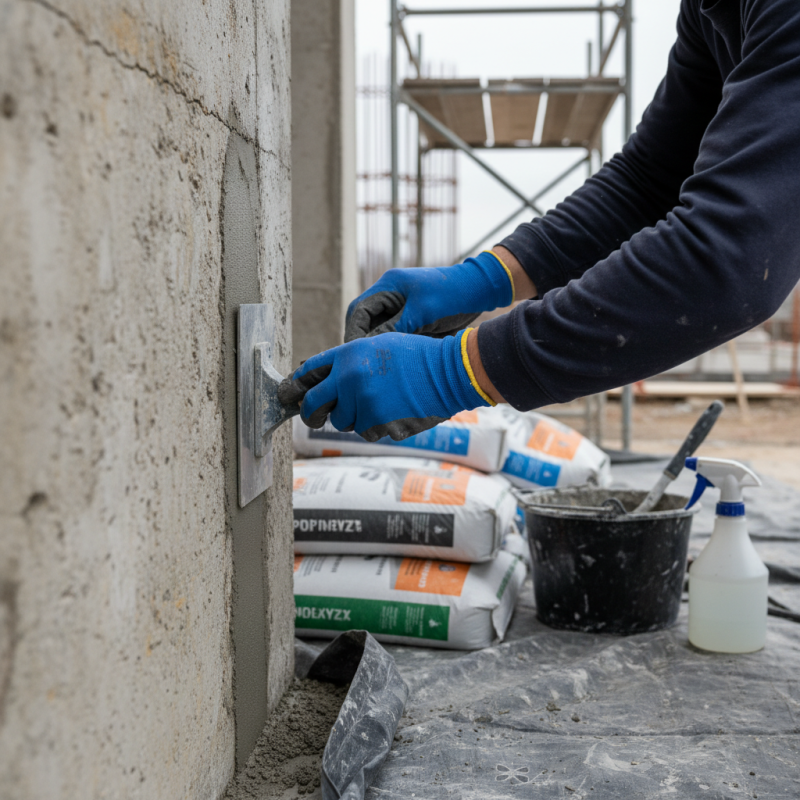
When preparing for cement repair projects, selecting the right tools and materials is crucial. A sturdy trowel is essential for spreading and smoothing the cement mixture. Additionally, a mixing bucket helps ensure a uniform texture. You’ll also need a concrete mixer for larger jobs. It saves time and provides consistent results. A concrete float assists in achieving a polished finish.

Don’t overlook safety gear. Gloves protect your hands from harsh chemicals. A dust mask is advisable when working with dry cement. These details matter. Forgetting them might lead to uncomfortable experiences. Remember to keep these tools clean and in good condition.

Quality repair materials are equally important. Choose a suitable cement mix based on the project type. Some mixes dry quickly, while others require more time. Understand your project’s needs. This knowledge can make or break your results. A little research can minimize errors and enhance your outcome. Take your time selecting the right items; it will be worth it in the long run.

Step-by-Step Techniques for Effective Cement Surface Preparation

Effective cement surface preparation is crucial for achieving lasting repair results. To begin, ensure the surface is clean, free of debris, and repairs. Dust and oil can prevent adhesion. According to industry reports, up to 30% of repair failures stem from inadequate surface preparation. This highlights the importance of a thorough cleaning process.

Next, consider profiling the surface. Use mechanical methods like grinding or shot-blasting to enhance bonding. A properly profiled surface increases the adhesive area. Research shows that a roughened surface can improve adhesion by up to 50%. After profiling, apply a bonding agent. This step is vital, yet often overlooked. Skipping it can lead to imperfect repairs and future issues.

Also, pay attention to the curing process. Improper curing can compromise the integrity of the repair. Aim for a curing time that is adequate, often around seven days for optimal strength. If not done correctly, the new mix can crack or weaken. Each stage requires diligence and focus. Reflect on your techniques and improve them for better results.

Best Practices for Applying and Curing Cement for Long-Lasting Repairs

Repairing cement surfaces effectively requires attention to detail. The first step is cleaning the area thoroughly. Remove dirt, debris, and loose particles. A wire brush works well for tough spots. This preparation prevents weak points in the repair. Moistening the surface with water also helps to enhance adhesion.

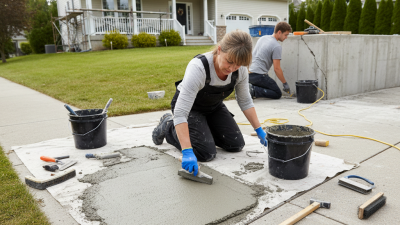
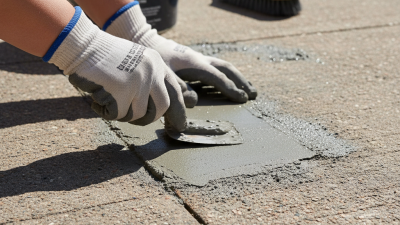
When applying new cement, consistency is key. Mix the cement until it has a smooth, lump-free texture. Pour it evenly into the prepared area. Use a trowel to spread it out, ensuring no air pockets remain. Pay attention to the edges. They need to blend seamlessly with the existing surface. Observe the curing process closely. Covering the repair with a damp cloth can promote slower curing, which is essential for durability.

Over time, you may notice cracks or wear in your repairs. This indicates that you may need to rethink your application methods. Maybe the mix wasn't optimal, or perhaps the curing time was too fast. Reflecting on these details will improve future repairs. Consistent practice leads to better outcomes. Each repair is a chance to learn and enhance your skills.

Find the Right Repair Product for Your Project

Need to find the most appropriate product for the needs of your project? We can help because we have over 70 years of experience servicing the industry with every kind of project, from Do-it-yourself projects to large skyscrapers. Package Pavement has the experience, the knowledge and the products to help every project succeed.

Quikrete Repair Products
Legend
Package Pavement has two convenient locations in Stormville, NY (Dutchess County) and Ravena, NY (Greene County) to serve the Northeastern Region with bagged concrete, blacktop, mortar, and repair products. This map gives a general idea of where we service and the product lines we offer.
Package Pavement Products
Quikrete Products
Spec Mix Products
map

Our Brands Websites