

Top Tips for Effective Cement Repair: Solutions for Cracks and Damage

Cement repair is an essential aspect of maintaining the structural integrity and longevity of concrete structures. In the construction industry, it is estimated that over 70% of concrete structures experience some form of cracking or deterioration over their lifespan, largely due to environmental factors, inadequate initial construction, and the natural aging process. According to a report by the American Concrete Institute, repair and maintenance of concrete structures is a multi-billion dollar industry, underscoring the growing need for effective cement repair solutions.

The effectiveness of cement repair not only extends the life of concrete surfaces but also enhances safety and reduces long-term costs associated with more extensive repairs or replacements. A study conducted by the National Institute of Standards and Technology indicated that timely interventions in cement repair could lead to a saving of up to 30% in potential future repair costs. This highlights the importance of adopting best practices and innovative techniques in cement repair to address cracks and damage efficiently.

As we delve into top tips for effective cement repair, we will explore various strategies and solutions that can significantly improve the durability and performance of concrete structures, ensuring that they stand the test of time against the rigors of daily use and environmental challenges.

Top Tips for Effective Cement Repair: Solutions for Cracks and Damage

Understanding Different Types of Cement Cracks and Their Causes

Cement cracks can arise from a variety of causes, each necessitating different repair strategies. One common type is shrinkage cracks, which often occur as the concrete cures and loses moisture. This type of cracking is usually superficial but can indicate underlying issues if they widen over time. Another prevalent form is settlement cracks, which develop when the ground beneath the concrete shifts or settles unnaturally. These cracks can signify a more serious structural failure and should be addressed promptly.

Environmental factors also play a significant role in cement cracking. Temperature fluctuations may cause expansion and contraction within the material, potentially leading to thermal cracking. Additionally, exposure to moisture can result in freeze-thaw cycles, further exacerbating crack formation. In some cases, improper mixing or application of the cement can lead to premature failure. Understanding these various types of cracks and their causes is essential for determining the most effective repair methods, ensuring the longevity and stability of cement structures.

Top Tips for Effective Cement Repair: Solutions for Cracks and Damage

Type of Crack Cause Repair Method Materials Needed
Shrinkage Cracks Concrete drying too quickly Fill with crack filler, sealant Acrylic sealant, crack filler
Settlement Cracks Ground settling or shifting Epoxy injection, resurfacing Epoxy resin, surface mix
Expansion Cracks Temperature changes causing expansion Install control joints, seal Control joint material, sealant
Plastic Shrinkage Cracks Rapid evaporation of water in fresh concrete Use curing compounds, cover with wet burlap Curing compound, burlap
Heaving Cracks Frost heave or soil expansion Underpinning, raising the concrete Underpinning materials

Essential Tools and Materials for Effective Cement Repair

Top Tips for Effective Cement Repair: Solutions for Cracks and Damage

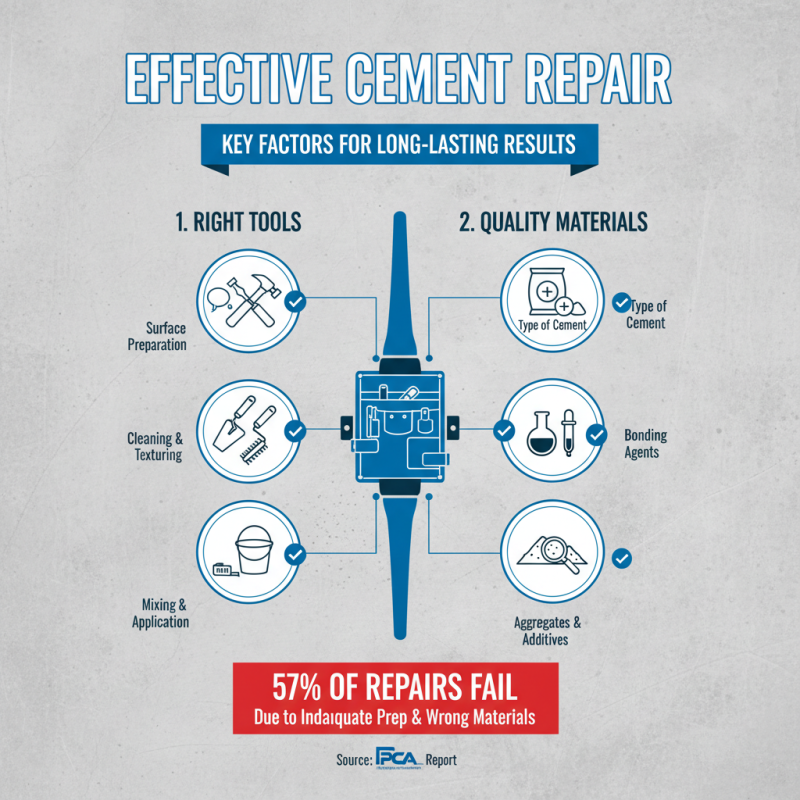
When it comes to effective cement repair, having the right tools and materials is crucial for achieving long-lasting results. According to a report by the Portland Cement Association, approximately 57% of concrete repair projects fail due to inadequate surface preparation and improper material selection. Therefore, it is essential to consider both the tools at your disposal and the quality of the materials used.

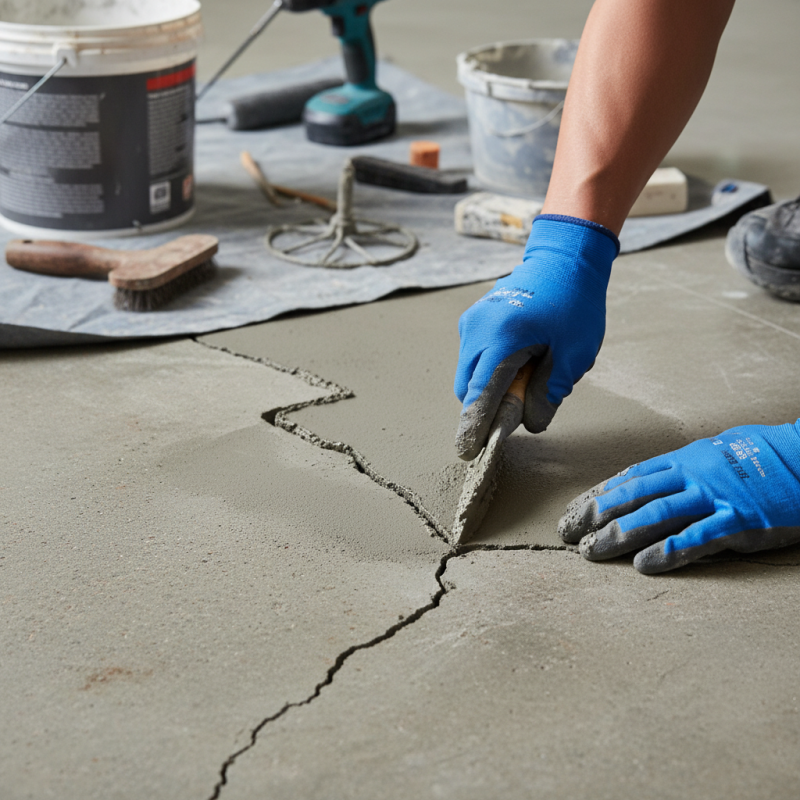
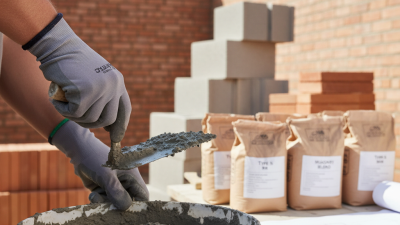
Key tools for cement repair include a trowel for smoothing out patching compounds, a wire brush for cleaning surfaces, and a concrete mixer for blending materials. Specific tools like concrete scarifiers or angle grinders are beneficial for preparing cracked surfaces, ensuring that the repair material adheres properly. Moreover, materials such as polymer-modified concrete and epoxy resins have shown a significant increase in durability and flexibility when compared to traditional cement mixes, as outlined in research from the American Concrete Institute. These materials not only fill cracks effectively but also expand and contract with temperature changes, reducing the likelihood of future damage.

Investing in high-quality materials ensures that the repair can withstand environmental stresses. The National Ready Mixed Concrete Association highlights that using specialty repair mortars can enhance bond strength and resistance to freeze-thaw cycles. By equipping yourself with the right tools and advanced materials, cement repair projects can be executed with greater efficiency and effectiveness, ultimately extending the life of the structure.

Step-by-Step Guide to Preparing the Surface for Repair

Top Tips for Effective Cement Repair: Solutions for Cracks and Damage

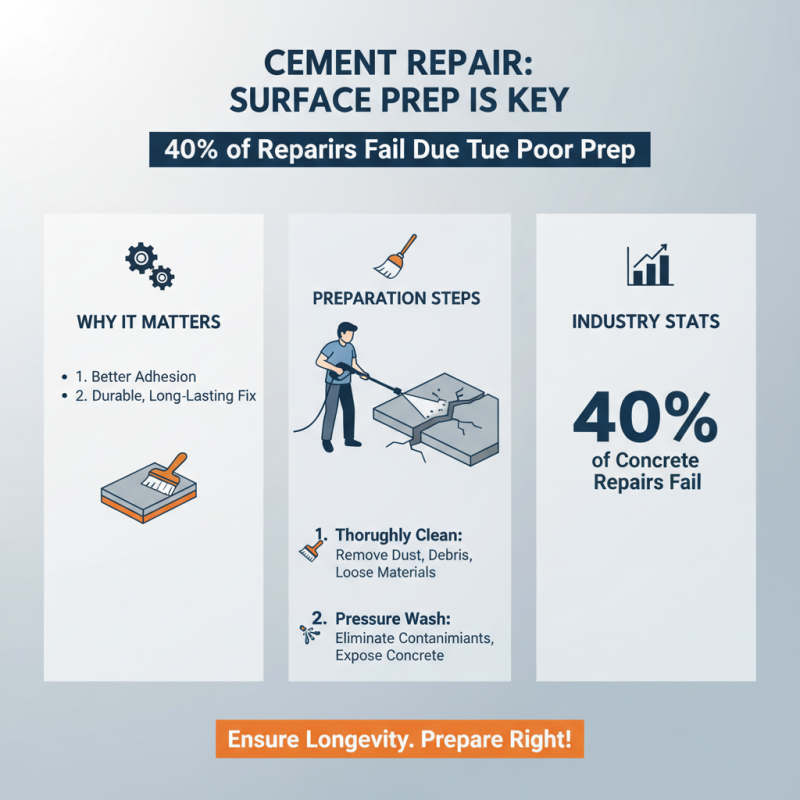
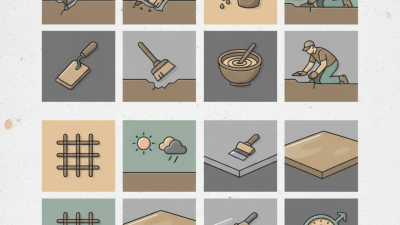
Preparing the surface for cement repair is crucial to achieving a durable and effective fix for cracks and damage. According to industry reports, nearly 40% of concrete repairs fail due to insufficient surface preparation. Properly preparing the area not only promotes better adhesion but also ensures longevity in the repair process. Begin by thoroughly cleaning the damaged surface to remove any dust, debris, or loose materials. Using a pressure washer can effectively eliminate contaminants and expose the underlying concrete, creating an ideal foundation for the repair material.

Tips for effective surface preparation include assessing the extent of damage before starting the repair. For minor cracks, a simple resurfacing may suffice, while larger issues might require more intensive interventions like patching or full section replacement. Ensure that the surface is dry before applying any repair materials; moisture can hinder adhesion and lead to future problems. Lastly, consider using a bonding agent if the repair area is particularly wide or if the old concrete is showing significant wear, as this can further enhance the bond between layers.

After confirming a clean and dry surface, it's essential to create a texture that encourages better adhesion. Lightly scarifying the surface with a grinder or chisel can enhance this texture, providing more grip for the repair material. Reports indicate that textured surfaces can improve bond strength by up to 50%, significantly reducing the likelihood of future cracking or delamination. Proper surface preparation is the foundation of a successful cement repair project, ensuring that the repairs will hold up against the test of time.

Techniques for Filling and Sealing Cracks in Cement

Filling and sealing cracks in cement is crucial for maintaining the structural integrity of concrete surfaces. According to a report from the American Concrete Institute, cracks can significantly compromise the durability of concrete, leading to expensive repairs and potential safety hazards. Proper techniques to address these issues can extend the life of cement structures by years. One effective method involves using a polymer-modified repair material that offers flexibility and adhesion, accommodating any potential movement in the crack.

Before starting the repair, it's essential to clean the area thoroughly to remove any loose debris, dust, or moisture. Studies show that a clean, dry surface can improve adhesion by up to 30%, ensuring that the repair material bonds effectively to the existing cement. Afterward, filling the crack with a suitable repair compound is fundamental; for wider cracks, a backer rod can be used to prevent the material from sinking. Lastly, sealing the repaired area with a protective coating not only enhances resistance to water and chemicals but also reduces the likelihood of future damage. This comprehensive approach to crack repair not only restores aesthetic appeal but also preserves the functionality of concrete structures.

Tips for Maintaining and Preventing Future Damage to Cement Surfaces

Maintaining cement surfaces is crucial for their durability and longevity. Regular inspections can help identify early signs of wear, such as small cracks or discoloration. Using a pressure washer to clean the surfaces eliminates dirt and debris that can trap moisture, leading to further damage. It’s advisable to seal concrete surfaces at least once a year to create a barrier against water infiltration. A good quality sealant not only protects against water but also prevents oil and chemical stains, which can compromise the integrity of the cement.

Preventing future damage is equally important. Incorporating drainage solutions around cement structures can minimize water accumulation, an essential factor in preventing cracking due to freeze-thaw cycles. During cold weather, using snow removal techniques that are non-abrasive will help to protect the surface from chips and cracks. Additionally, avoid using de-icing salts, as they can cause scaling and surface peeling over time. By following these maintenance practices and taking proactive steps to prevent damage, you can ensure that your cement surfaces remain in good condition for years to come.

Top Tips for Effective Cement Repair

Find the Right Repair Product for Your Project

Need to find the most appropriate product for the needs of your project? We can help because we have over 70 years of experience servicing the industry with every kind of project, from Do-it-yourself projects to large skyscrapers. Package Pavement has the experience, the knowledge and the products to help every project succeed.

Quikrete Repair Products
Legend
Package Pavement has two convenient locations in Stormville, NY (Dutchess County) and Ravena, NY (Greene County) to serve the Northeastern Region with bagged concrete, blacktop, mortar, and repair products. This map gives a general idea of where we service and the product lines we offer.
Package Pavement Products
Quikrete Products
Spec Mix Products
map

Our Brands Websites