Top 10 Common Masonry Repair Issues and How to Fix Them Yourself

Masonry repair is a crucial aspect of home maintenance that often goes overlooked until significant damage occurs. According to industry expert John Smith, a renowned masonry contractor with over 20 years of experience, “Understanding common masonry repair issues and their solutions can save homeowners time and money while preserving the integrity of their structures.” As masonry components can be susceptible to weather conditions, aging, and other environmental factors, it's imperative to recognize early signs of wear and take proactive measures.

In this article, we will delve into the top 10 common masonry repair issues that many homeowners face. From cracks in walls to water damage, these challenges can compromise the durability and aesthetic appeal of your masonry work. By identifying these problems early on and employing simple DIY techniques, you can effectively address these concerns and maintain the strength of your masonry structures. Whether you are a seasoned DIY enthusiast or a homeowner looking to undertake your first masonry repair project, understanding these common issues and their solutions will empower you to protect and enhance your property.

Top 10 Common Masonry Repair Issues and How to Fix Them Yourself

Common Types of Masonry Damage: Identifying the Issues

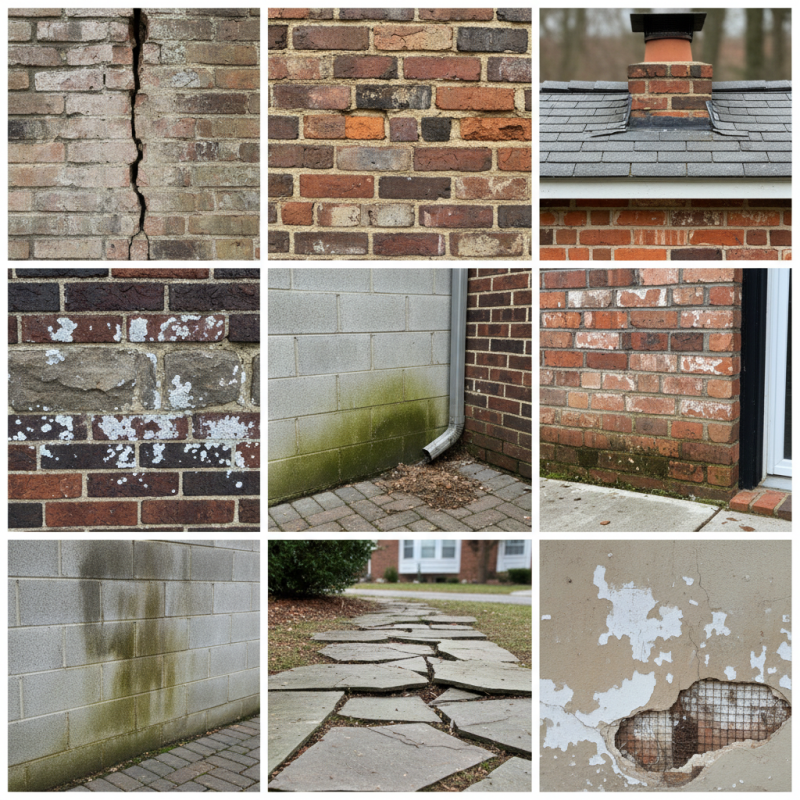
Masonry structures, while durable, can encounter a variety of issues over time. One of the most common types of damage is cracking, which can arise from settling, temperature fluctuations, or moisture infiltration. Identifying the cause of the crack is crucial; for instance, hairline fractures may not indicate a serious issue, whereas wide, deep cracks could suggest structural problems. Regular inspection can help homeowners catch these issues early, allowing for timely repairs that prevent further deterioration.

Another frequent problem in masonry is spalling, which occurs when bricks or stones begin to flake or chip away due to freeze-thaw cycles or moisture trapped within the material. This can not only compromise the aesthetic appeal of a masonry structure but can also lead to more significant damage if left unaddressed. To tackle spalling, it is essential to ensure proper drainage around the structure and consider applying a water-repellent sealant to mitigate moisture intrusion. Additionally, repointing—replacing old, crumbling mortar with new—can help restore the integrity of the masonry and extend its lifespan. Recognizing and addressing these types of damage early can save time and money in the long run.

Top 10 Common Masonry Repair Issues

This chart illustrates the frequency of common masonry repair issues that homeowners face, along with their estimated occurrences as a percentage. Understanding these issues can help in planning necessary repairs.

Necessary Tools and Materials for DIY Masonry Repair

When embarking on a DIY masonry repair project, having the right tools and materials is crucial for success. Start with basic hand tools such as a trowel, pointing trowel, and a masonry hammer. These tools will aid in applying mortar and making precise adjustments to your brick or stonework. Additionally, a joint raker can help in cleaning out old mortar joints effectively before applying new material. For larger repairs, consider acquiring a masonry saw or drill to make clean cuts and adjustments to bricks or stones.

In terms of materials, quality mortar mix is essential for ensuring a durable repair. Choose a type that suits your specific masonry application—whether it's for weather resistance or structural integrity. You’ll also need a concrete bonding agent for adhering new mortar to old surfaces effectively. Don’t forget safety gear like gloves and goggles to protect yourself during the repair process. With the right preparation, you’ll be well-equipped to tackle common masonry issues and restore your structure with confidence.

Step-by-Step Guide to Fixing Cracks in Brickwork

Cracks in brickwork are one of the most common masonry repair issues homeowners face. A study by the National Association of Homebuilders indicates that nearly 30% of homes experience some form of masonry damage over their lifespan, often due to the natural settling of a building or exposure to elements. Fortunately, repairing these cracks can be a straightforward DIY project. Begin by assessing the crack's size and depth. For hairline cracks, a simple application of masonry sealant can be sufficient. However, wider cracks may require more extensive measures, like filling with a mortar mix or epoxy.

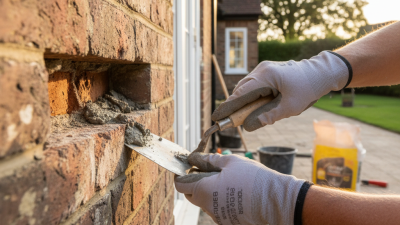
Before starting your repair, gather the necessary tools: a chisel, wire brush, masonry sealant, and trowel. Start the process by brushing away any debris from the crack. If the crack is deep, use a chisel to widen it slightly, creating a V-shape, which allows the repair material to adhere better. Then, apply the chosen filler using your trowel, ensuring it is evenly packed and smoothed over the surface.

Tips: Always check the weather before commencing any outdoor repair work; optimal conditions are a dry day with moderate temperatures for the sealant to cure properly. Additionally, consider applying a waterproofing sealant after your repairs to prevent future issues caused by moisture infiltration. Regular inspections of your brickwork can help identify cracks early, making them easier to fix and maintaining the overall integrity of your masonry.

Top 10 Common Masonry Repair Issues and How to Fix Them Yourself

Issue Description DIY Fix Tools Needed Estimated Time
Cracks in Brickwork Vertical or horizontal cracks can develop due to settling or temperature changes. Prepare cracks by cleaning them, apply vinyl concrete patch or mortar. Putty knife, wire brush, patching compound. 1-2 hours
Brick Spalling Surface of the brick begins to flake off, often due to moisture. Remove loose pieces and apply a waterproof sealant. Hammer, chisel, sealant. 2 hours
Loose Mortar Joints Mortar can crack and crumble, compromising the structure. Remove damaged mortar and repoint it with new mortar. Trowel, mortar mix, jointing tool. 3-4 hours
Water Damage Excess water can cause structural and aesthetic damage. Identify source of water, repair damage, and apply water-resistant coating. Pressure washer, patching materials, sealant. 6+ hours
Efflorescence White powdery substance on brick surface, caused by salt. Scrub with a stiff brush and clean water; seal to prevent recurrence. Stiff brush, water, sealant. 1 hour
Misaligned Bricks Bricks may shift due to foundation movement or poor installation. Reposition bricks, replace damaged ones, and secure with mortar. Chisel, mortar, rubber mallet. 3-5 hours
Chimney Damage Cracks or missing bricks can lead to dangerous conditions. Inspect and repair with proper sealing and cement. Ladder, sealant, cement. 4-6 hours
Paver Settling Pavers can sink or become uneven over time. Lift pavers, add base material, and reset pavers. Paver level, base material. 2-3 hours
Cracked Mortar Old mortar can crack and crumble, causing instability. Remove cracks and apply fresh mortar; ensure proper beveling. Grout bag, trowel, new mortar. 2-4 hours
Cracked Foundation Foundation cracks can lead to significant structural issues. Evaluate depth, apply epoxy filler, and monitor. Epoxy filler, trowel. 3-5 hours

Repairing Mortar Joints: Techniques for Long-Lasting Solutions

Repairing mortar joints is a crucial aspect of masonry maintenance, as the integrity of these joints directly affects the durability and appearance of brick and stone structures. According to the Portland Cement Association, properly maintained mortar joints can extend the life of masonry by more than 50%. When addressing common issues like cracking, crumbling, or leaky joints, homeowners can employ a few key techniques to ensure lasting solutions.

One effective method for repairing mortar joints is the tuck-pointing technique, where the deteriorated mortar is removed to a depth of at least half an inch, and then new mortar is packed into the joint. A study from the National Concrete Masonry Association suggests that using a mortar mix that closely matches the original in terms of compressive strength and color can significantly enhance the aesthetic and structural compatibility of the repair. Furthermore, incorporating a water repellent additive can help protect the new mortar from moisture intrusion, which is a common cause of joint failure.

Another important consideration is the timing of repairs. Experts recommend conducting masonry maintenance in favorable weather conditions—ideally when temperatures are between 50°F and 90°F—to ensure optimal curing of the mortar. This approach not only helps achieve a strong bond between the old and new materials but also minimizes the chances of thermal expansion issues that can arise in extreme temperatures. By following these techniques and insights, homeowners can effectively tackle mortar joint repairs and contribute to the longevity of their masonry projects.

Ensuring Proper Maintenance to Prevent Future Masonry Problems

Top 10 Common Masonry Repair Issues and How to Fix Them Yourself

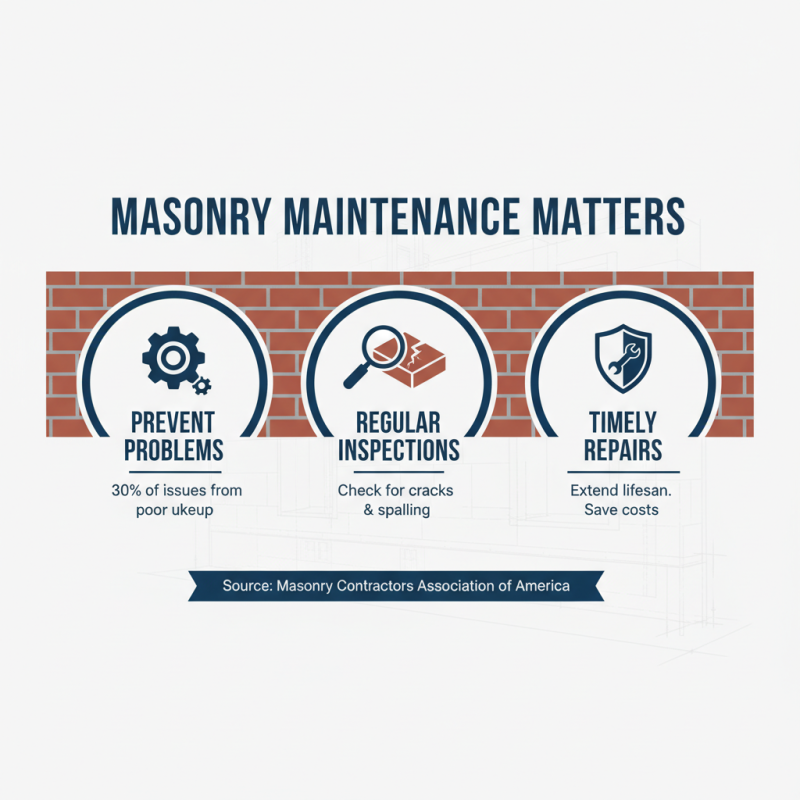
When it comes to masonry, proper maintenance is crucial to prevent future problems. Research from the Masonry Contractors Association of America indicates that nearly 30% of masonry issues arise from inadequate maintenance practices. Regular inspections and timely repairs can significantly extend the lifespan of your masonry structures. Checking for signs of wear, such as cracks or spalling, allows homeowners to address issues before they develop into costly repairs.

Tips: One effective maintenance strategy is to apply a water-repellent sealant to your masonry surfaces. This can help protect against moisture infiltration, which is a leading cause of damage. Additionally, ensure that gutters and downspouts are functioning correctly to divert water away from masonry walls. A survey from the National Association of Home Builders highlights that homes with well-maintained exteriors can increase their property value by up to 10%.

Moreover, consider performing routine cleaning on your masonry. Accumulated dirt and vegetation can promote moisture retention, exacerbating deterioration. Using a mild detergent and a soft brush can help maintain the surface without causing additional harm. Regular maintenance not only ensures the longevity of your masonry but also enhances its overall aesthetic appeal.

Find the Right Repair Product for Your Project

Need to find the most appropriate product for the needs of your project? We can help because we have over 70 years of experience servicing the industry with every kind of project, from Do-it-yourself projects to large skyscrapers. Package Pavement has the experience, the knowledge and the products to help every project succeed.

Quikrete Repair Products
Legend
Package Pavement has two convenient locations in Stormville, NY (Dutchess County) and Ravena, NY (Greene County) to serve the Northeastern Region with bagged concrete, blacktop, mortar, and repair products. This map gives a general idea of where we service and the product lines we offer.
Package Pavement Products
Quikrete Products
Spec Mix Products
map

Our Brands Websites