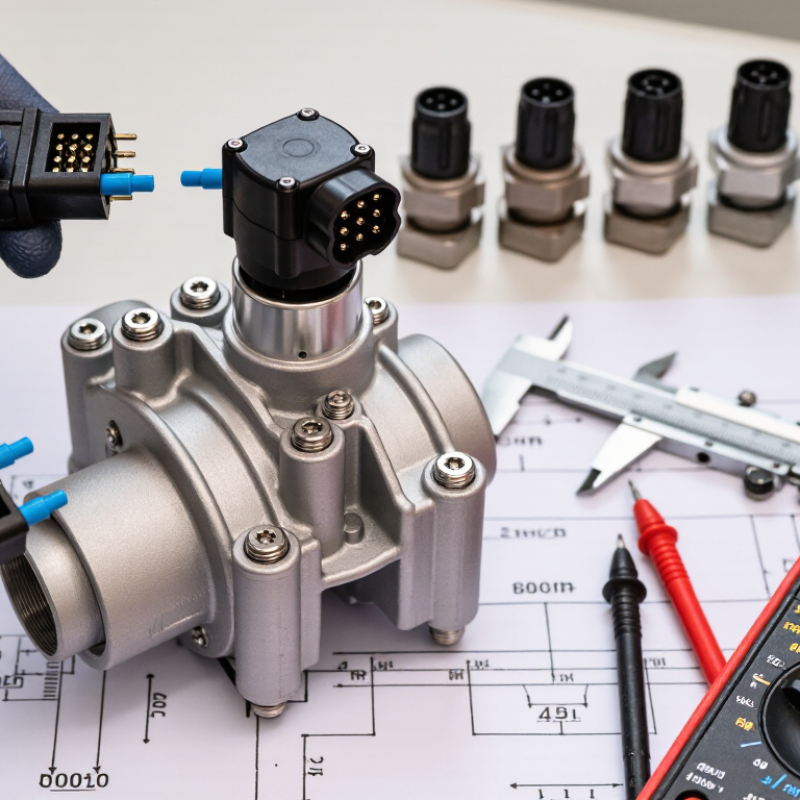
When comparing TPS suppliers, start with fit and signal details, not the quoted unit price. Confirm connector shape, shaft design, mounting points, voltage range, and output curve against your application. Ask for a current datasheet and a sample test report. A sensor may match the drawing yet behave differently after installation. Check that the supplier can trace production batches and explain how samples are tested. Small detail. It matters.
Compare total landed cost, including tooling, minimum order quantity, packaging, freight, insurance, and import charges. Request separate quotes for air and sea shipping, with estimated dispatch and transit times. For a time-sensitive repair, a low sea-freight quote may not help. Confirm the shipping terms and required documents in writing. Protective packaging also deserves attention; bent terminals can turn a good price into a costly delay. Exchange rates and freight rates can shift, so note how long each quote remains valid.
After-sales support should be specific, not just a promise to “help.” Ask about the defect-report window, replacement process, warranty coverage, and technical response time. Keep photos, test readings, and batch numbers when checking incoming parts. If a sensor fails, clear evidence can speed up diagnosis. A supplier that answers application questions carefully is often easier to work with than one offering the fastest reply. Still, support quality is hard to judge before a problem happens, so test communication with a sample order.