How to Choose the Right Seamless Steel Tube in 2026?
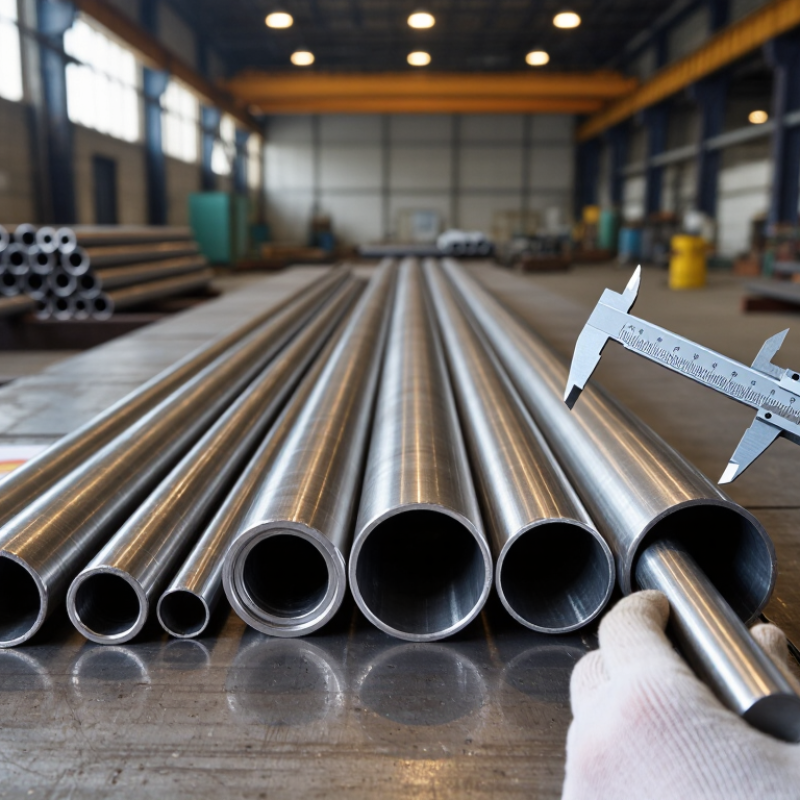
Selecting diameter and wall thickness should begin with ASME B36.10M, not a supplier’s stock list. The standard separates nominal pipe size from actual outside diameter. For example, NPS 2 has a 2.375-inch outside diameter. Schedule 40 uses a 0.154-inch wall, while Schedule 80 uses 0.218 inches. That difference changes internal flow area, weight, pressure capacity, and corrosion allowance.
Pressure calculations still control the decision. Consider design pressure, temperature, fluid density, corrosion rate, and external loading. A larger diameter can reduce friction loss, but it may increase support loads and installation costs. A thicker wall improves resistance, yet it reduces flow area. The table looks definitive. It is not.
The World Steel Association’s World Steel in Figures 2024 reports 1,888.2 million tonnes of crude steel production in 2023. Such scale makes traceability essential. Request heat numbers, mechanical test results, dimensional inspection records, and the applicable material specification. For process lines, compare the selected dimensions with ASME B31.3 design calculations. For structural or low-pressure service, the same schedule may be excessive. In field reviews, dimensional misunderstandings appear often. A “two-inch tube” can still require precise OD and wall verification. Even experienced teams miss this step.