How to Choose the Right Porcelain Saddle?
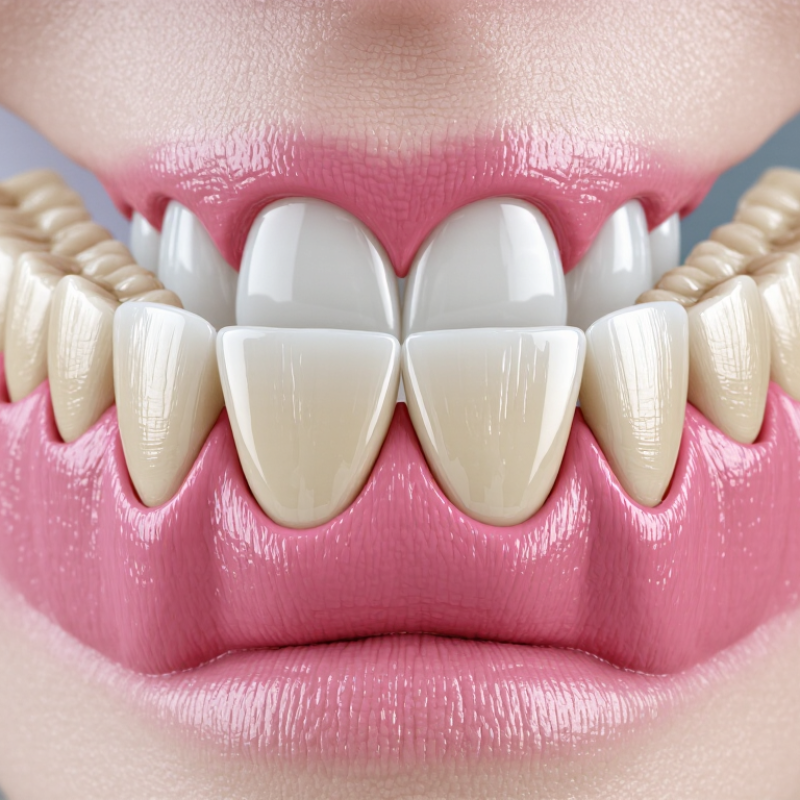
Choosing the right Porcelain saddle begins with diagnosis, not appearance. The term often describes a porcelain restoration shaped like a saddle, especially where it replaces missing tooth structure. Its contour affects hygiene, comfort, shade, strength, and long-term tissue health. A glossy surface may look perfect under showroom lighting. It can still feel bulky beside the gumline.
The 2024 Grand View Research Dental Prosthetics Market report identifies rising demand for durable, natural-looking restorations. However, market growth does not guarantee a suitable design for every patient. Clinical evidence remains more important than popularity. ISO 6872 also classifies dental ceramics by strength requirements, reminding clinicians to match the material with biting forces and restoration location. Posterior teeth usually need greater fracture resistance than visible anterior teeth.
Prosthodontist Dr. John C. Kois is widely associated with the principle, “Diagnosis precedes treatment.” That idea fits every Porcelain saddle decision. Ask about occlusion, available space, gum contours, cleaning access, ceramic type, and laboratory communication. Request photographs, shade records, and a trial design when the case is complex. A restoration that looks natural from the front may trap plaque underneath.
There is no universal best saddle. Sometimes porcelain is the wrong choice. That possibility deserves honest discussion. A qualified dentist should explain alternatives, limitations, expected maintenance, and repair risks before fabrication. The final decision should combine clinical examination, verified material data, laboratory expertise, and the patient’s daily habits. Small details matter: the edge should feel smooth, the bite should feel balanced, and cleaning should remain practical.
Understanding Porcelain Saddle Types and Their Main Uses
Porcelain Saddle Types and Their Main Uses
Porcelain saddles are compact ceramic supports used to hold wires, cables, or small electrical components away from mounting surfaces. Their glazed surface resists moisture, heat, and many outdoor contaminants. However, porcelain is rigid and can crack under impact. Selection should begin with the installation environment, not appearance.
Single-groove saddles suit one insulated wire or a light cable routed along a wall. Double-groove types separate two conductors and help maintain a consistent path. Some saddles include mounting holes for screws, while others use a broader base for masonry surfaces. Choose the groove size carefully. A loose cable may move during vibration, while an oversized cable can suffer pressure at the edges.
For indoor routing, a smaller saddle may be adequate on a dry, stable wall. Outdoor installations need a weather-resistant glaze, corrosion-resistant fasteners, and spacing that prevents water from collecting behind the cable. High-temperature areas require checking the cable insulation rating as well, because the saddle alone cannot protect unsuitable insulation. During inspections, I look for hairline cracks, chipped glaze, and dark tracking marks. These small signs are easy to miss. I once treated a clean-looking saddle as reliable, but its mounting surface was already weakened. That mistake reinforced an important point: load, cable diameter, moisture, and local electrical requirements must be checked together. A qualified electrician should verify the final arrangement before energizing the circuit.
Comparing Porcelain Quality, Construction, and Comfort Features
How to Choose the Right Porcelain Saddle?
A good porcelain saddle begins with material quality. Look for dense, vitrified porcelain with an even surface and consistent color. A clear glaze should feel smooth, not chalky or rough. Inspect the edges under strong light. Tiny pinholes, blistering, or hairline cracks may weaken the piece over time. These flaws are easy to overlook. I have learned that visual shine alone proves little; thickness and firing quality matter more.
Construction affects both stability and daily comfort. Check whether the underside is reinforced and whether the mounting points distribute weight evenly. A well-shaped saddle should avoid sharp pressure points, especially near the front and sides. Rounded edges help, but dimensions must match the user and installation space. Hard porcelain offers firm support, yet it can feel unforgiving during long use. A cushioned contact layer or carefully designed contour may improve comfort without hiding structural weakness.
Tips: Tap the porcelain lightly and listen for a clear, even tone. Compare the actual measurements with your existing setup. Test the sitting position briefly before choosing. Check the glaze around holes and corners, where damage often begins. Do not assume heavier means stronger. Also, review care instructions, because abrasive cleaners can dull the surface and reduce its smooth feel.
How to Choose the Right Porcelain Saddle?
Compare common ceramic options by material quality, construction durability, and comfort-related design potential. Scores use a 1–5 comparative scale, where 5 indicates a stronger suitability for that criterion.
Monolithic zirconia generally provides the highest strength and durability. Lithium disilicate offers a balanced combination of strength and translucency, while layered feldspathic porcelain is often selected when appearance and detailed customization are the main priorities. Final comfort depends on accurate fit, smooth margins, proper occlusion, and professional adjustment.
Selecting a Saddle Within Your Budget and Care Requirements
Choosing the right porcelain saddle starts with your budget and daily care routine. Do not judge by appearance alone. Porcelain is dense and resistant to staining. ISO 13006 classifies porcelain ceramic by water absorption of 0.5% or less. That supports easier cleaning, but it does not prevent chips. Inspect the rim, underside, and mounting points under strong light. A small glaze flaw may become obvious after installation. I once selected a low-cost piece with a beautiful finish, but its uneven base required extra adjustment.
Set a complete budget before comparing finishes. Include the saddle, fittings, delivery, installation, and possible replacement parts. A cheaper model can cost more when its hardware is uncommon. If water efficiency matters, check the connected fixture’s specification. The U.S. Environmental Protection Agency’s WaterSense standard limits qualifying toilets to 1.28 gallons per flush, compared with the federal 1.6-gallon standard. This figure may not apply to every porcelain saddle, so verify the product type carefully. That detail is easy to miss.
Tips: Choose a smooth, continuous glaze for faster wiping. Avoid deep grooves near the mounting area. Ask for replacement hardware availability. Use a soft cloth and diluted, non-abrasive cleaner. Hard-water deposits still need regular attention. The National Association of Home Builders continues to identify bathroom functionality as a strong buyer priority in its consumer research, so comfort and maintenance deserve equal weight. Measure twice. Some installation guides are less clear than they should be.