| Technical Communication | 15% | Ability to understand drawings, tolerances, materials, surface finishes, inspection requirements, and intended application. | Provides clear design-for-manufacturing feedback, identifies ambiguous specifications, and confirms assumptions in writing. | Send a representative drawing and ask for a documented manufacturability review before quotation. | Quotes without clarifying critical dimensions, datums, tolerances, or material requirements. |
| Response Quality and Speed | 10% | Consistency, completeness, and practicality of responses during quotation and engineering discussions. | Replies include lead time, assumptions, tooling or setup requirements, exclusions, and questions requiring customer input. | Record response times and compare the completeness of several replies rather than judging speed alone. | Frequent unanswered questions, contradictory information, or unexplained changes to the quotation. |
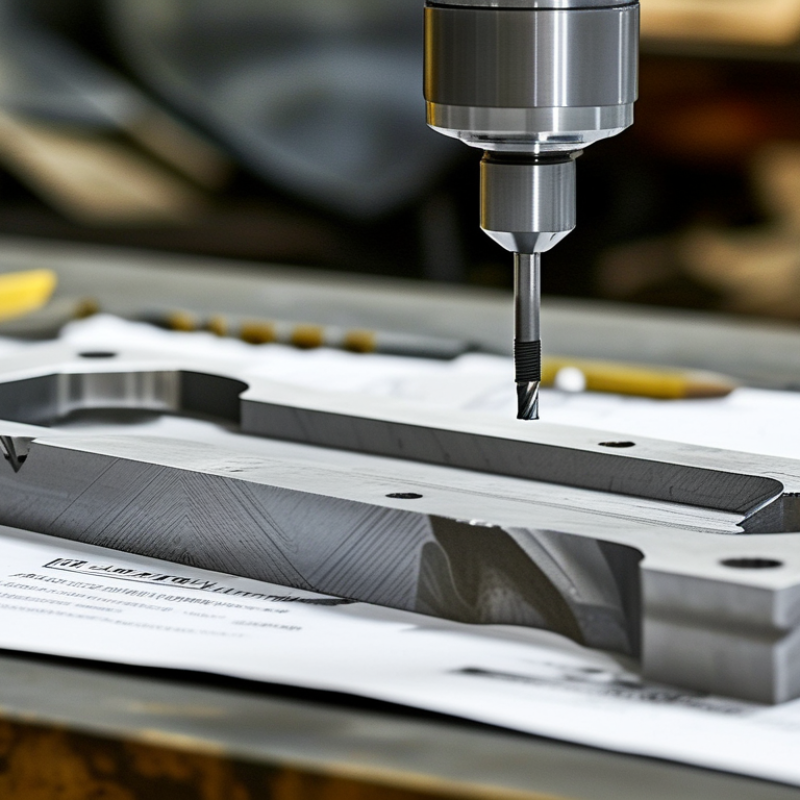
| Machining Capability | 15% | Suitability of available CNC milling, turning, grinding, drilling, and finishing processes for the part design. | Demonstrates relevant equipment, work envelopes, material experience, process controls, and comparable non-confidential samples. | Request a capability matrix covering machine type, axis configuration, size limits, materials, and secondary processes. | Claims broad capability but cannot explain process sequence, fixturing, or inspection limitations. |
| Quality Management | 15% | Control of incoming materials, production processes, inspection, nonconforming parts, and corrective actions. | Uses documented procedures, calibrated measuring equipment, traceable inspection records, and a defined corrective-action process. | Ask for sample inspection reports, calibration records, control plans, and a redacted corrective-action example. | Inspection is performed only at the end, records are unavailable, or acceptance criteria are unclear. |
| Prototype and First-Article Support | 10% | Ability to support design validation, first-article inspection, dimensional feedback, and controlled revisions. | Offers a practical prototype process, identifies high-risk features, and separates prototype results from production approval. | Request a sample first-article plan with inspection points, documentation, and revision-control steps. | Treats prototypes as ordinary production orders and provides no structured feedback on design risks. |
| Delivery Reliability | 15% | Ability to meet agreed lead times and communicate schedule risks before they affect the customer. | Provides milestone dates, capacity planning information, shipment updates, and an escalation process for delays. | Request historical on-time-delivery data using a defined period and calculation method, then verify it during a trial order. | Uses vague promises, changes dates without notice, or cannot distinguish production time from shipping time. |
| After-Sales and Problem Resolution | 10% | Responsiveness when parts fail inspection, arrive damaged, or require technical clarification after delivery. | Has named contacts, response targets, containment procedures, root-cause analysis, and replacement or rework policies. | Ask for the standard process for handling nonconforming parts and request a redacted corrective-action report. | Blames the customer immediately, delays containment, or offers no documented resolution process. |
| Supply Chain and Material Traceability | 5% | Control of raw materials, special processes, subcontractors, and material certificates where required. | Can provide heat-lot or batch traceability, material certificates, approved subcontractor controls, and change notification. | Specify the required certificate type and traceability level in the purchase documentation before ordering. | Material substitutions or outsourced processes occur without prior approval or records. |
| Commercial Transparency | 5% | Clarity of pricing, minimum order quantities, packaging, shipping terms, payment terms, and revision-related costs. | Quotation clearly separates machining, finishing, inspection, packaging, tooling, shipping, and other applicable charges. | Use the same request-for-quotation format for all candidates and compare exclusions as well as quoted prices. | Low initial price is followed by undisclosed setup, inspection, finishing, or expedited-shipping charges. |