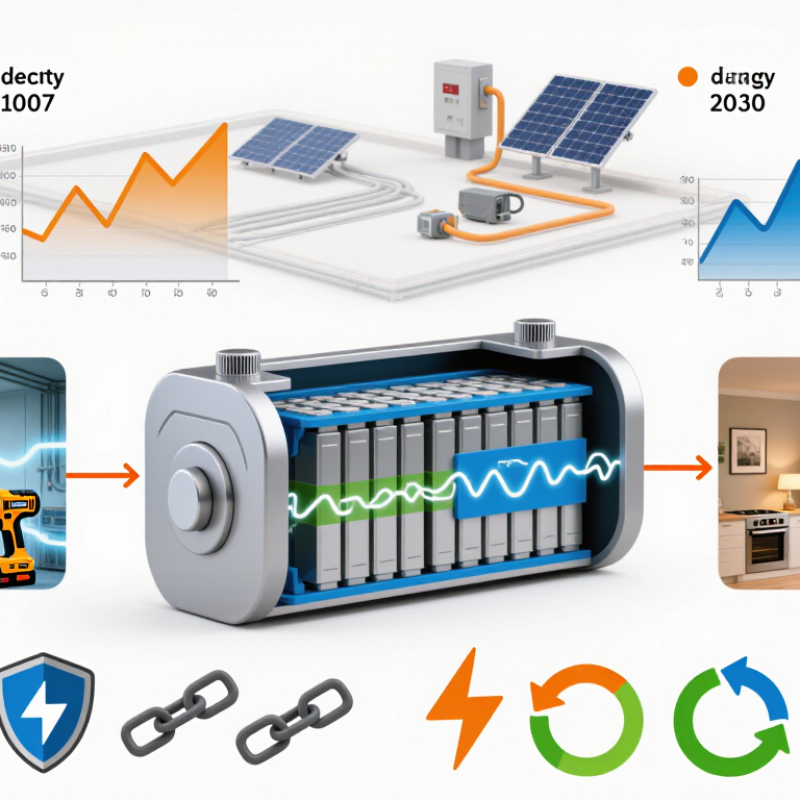
Choosing the right Energy Storage System requires more than comparing battery capacity and purchase prices. A reliable decision begins with your daily electricity pattern. Review recent utility bills, solar production records, and peak demand data. A small workshop may need high power for short bursts. A household may need steady backup through a twelve-hour outage. These are different requirements.
Battery chemistry, usable capacity, round-trip efficiency, and operating temperature all affect performance. Lithium iron phosphate batteries often provide strong thermal stability and long cycle life. However, every project has trade-offs. A larger battery does not automatically deliver better value. Check the inverter rating, expansion options, maintenance needs, and warranty conditions. Ask whether the manufacturer publishes test results and clear safety certifications. Local installers can also reveal practical issues, such as winter capacity loss or limited service coverage. Their experience matters.
Cost calculations should include installation, monitoring, replacement parts, and future electricity rates. A spreadsheet may look precise, yet it can miss changing household habits or unexpected outages. No selection method is perfect. Revisit the assumptions. Confirm that the system matches your roof, electrical panel, available space, and emergency priorities. Reliable suppliers explain limitations instead of promising effortless savings. With careful research and professional inspection, buyers can choose an Energy Storage System that performs safely, remains maintainable, and supports real energy needs over many years. Small details matter.
How to Choose the Right Energy Storage System?
Define Energy Storage Needs and System Objectives
Choosing an energy storage system starts with a clear definition of the problem. Is the system protecting critical loads, reducing peak demand, storing solar energy, or supporting backup power? These goals require different designs. A hospital may need instant response and several hours of autonomy. A small workshop may only need evening energy shifting.
Begin with real operating data, not guesses. Review electricity bills, hourly demand, outage history, and equipment startup loads. Record which circuits must remain active during an outage. Refrigeration, pumps, servers, and lighting often have different priorities. Measure carefully. Small errors can become expensive.
Specify both power and energy requirements. Power, measured in kilowatts, shows how much equipment can run simultaneously. Energy, measured in kilowatt-hours, determines how long it can operate. Include seasonal changes, battery degradation, round-trip efficiency, and reserve capacity. A system sized for today may fail after years of cycling.
Safety and site conditions also shape the objective. Check temperature ranges, ventilation, available floor space, fire protection, maintenance access, and local electrical requirements. A technically efficient system may still be unsuitable in a dusty or poorly ventilated room. That detail is easy to overlook.
Cost targets should include installation, controls, inspections, replacement parts, and eventual disposal. The cheapest equipment is not always the lowest-cost choice. A spreadsheet can still miss operational realities. Revisit the assumptions with electricians, facility operators, and safety professionals before approving the design. Small changes in load priorities may alter the entire system.