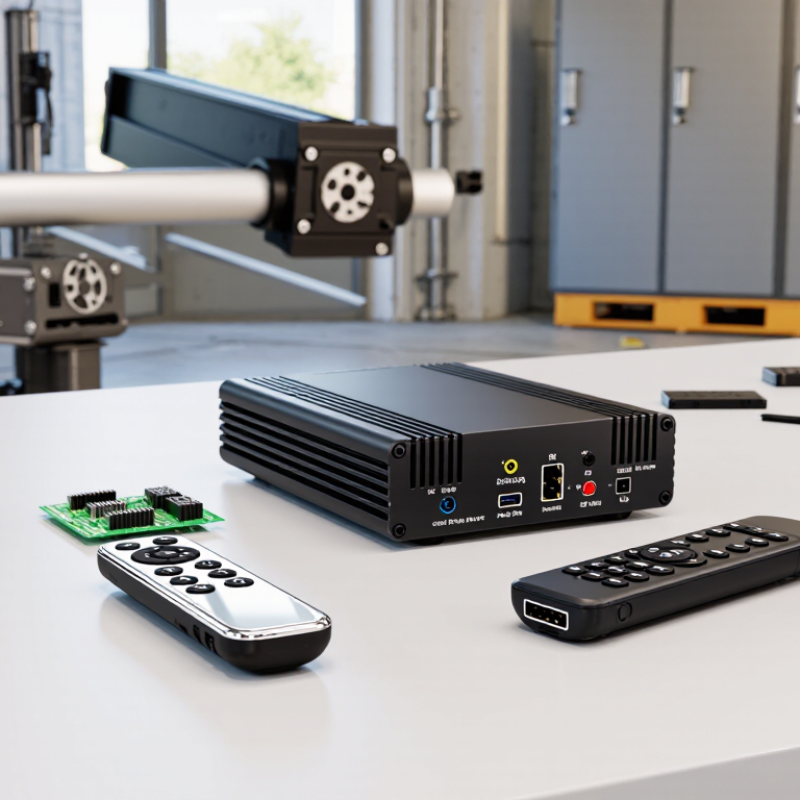
Choosing the best RF remote control kit starts with its battery, not its advertised range. Check the battery chemistry, rated capacity, charging method, and standby current. A kit that sleeps properly can last months, while frequent transmissions may reduce runtime sharply. Request measured runtime data, not only laboratory estimates. Real walls, cold rooms, and weak signals change performance.
For rechargeable cells, ask for test evidence against IEC 62133. This standard evaluates hazards such as overheating, short circuits, vibration, and abnormal charging. Also confirm CE conformity for the complete kit. CE marking should reflect applicable requirements, including radio equipment, electromagnetic compatibility, and battery rules. It is not a quality award. The European Commission’s Safety Gate 2023 report recorded 3,412 product alerts, showing why traceable compliance records matter.
Inspect the battery compartment closely. Terminals should resist reverse installation, and charging ports need clear protection. IATA’s 2024 battery guidance stresses preventing short circuits and protecting exposed terminals during transport. Choose kits with overcharge, over-discharge, and temperature protection. Keep the evidence.
A practical test is useful. Measure standby current overnight, then test range through two interior walls. Results may disappoint. That is valuable. Ask whether the supplier used production samples, because one perfect prototype cannot prove consistent safety. Some buyers overlook replacement-cell compatibility, yet an unsuitable cell can defeat the original protection design.