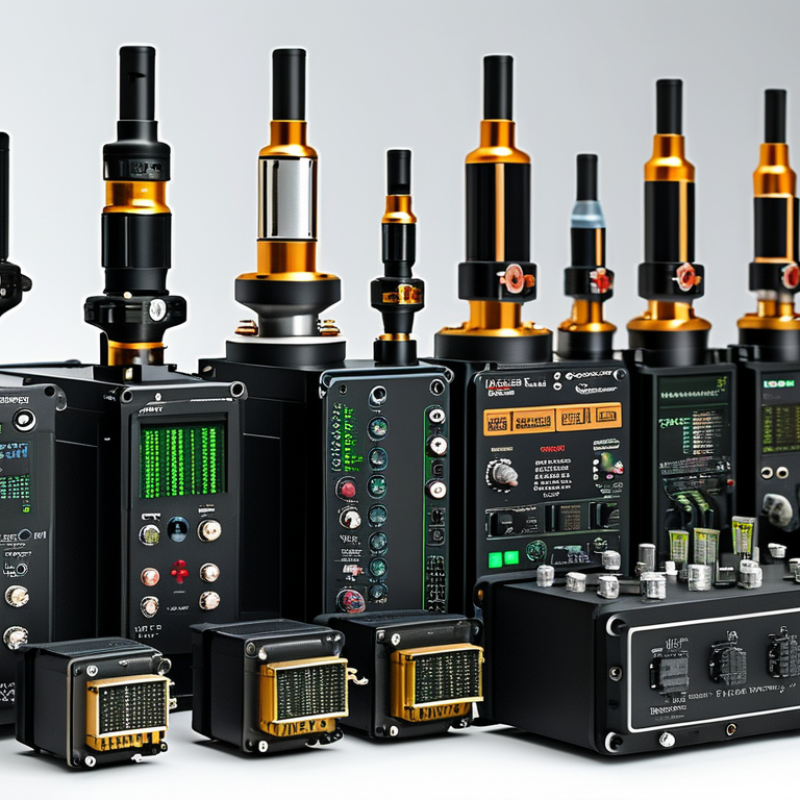
How to Choose the Best Pulse Transformer for Your Needs?

Choosing the best Pulse Transformer can be a daunting task. This critical component is essential in various applications, from telecommunications to medical devices. Industry reports indicate that the global Pulse Transformer market has witnessed a CAGR of over 5% in recent years. According to Dr. Lisa Chen, a leading expert in transformer technology, "The right Pulse Transformer can significantly enhance performance and reliability in signal processing."

Understanding your specific needs is vital when selecting a Pulse Transformer. Factors such as frequency range, power capacity, and insulation type must be considered. Many manufacturers provide extensive specifications, yet they can be difficult to interpret. This complexity often leads to misjudgments in selection, which can impact overall system efficiency.

A careful evaluation of products based on real-world performance is essential. Not all Pulse Transformers are created equal, and choosing the wrong type may result in subpar outcomes. Engaging with industry experts and leveraging professional insights can bridge this knowledge gap. Ultimately, selecting the best Pulse Transformer requires both technical understanding and practical experience.

How to Choose the Best Pulse Transformer for Your Needs?

Understanding Pulse Transformers: Purpose and Applications

Pulse transformers play a critical role in various electrical applications. They are designed to transfer energy in the form of sharp voltage or current pulses. Understanding their purpose is essential for selecting the right transformer for specific needs. These transformers are often used in radar systems, communication devices, and power electronics. Their ability to handle high voltages and provide isolation makes them invaluable in many scenarios.

When considering applications, it’s important to understand the operating requirements. For instance, pulse transformers can experience significant stress during operation. This stress can affect performance over time. Users must assess factors like rise time, energy transfer capability, and frequency response. The ideal transformer will match these specific needs, ensuring optimal functionality.

Moreover, evaluating the size and material is crucial. The core material directly impacts efficiency and response time. It's a balance between cost and performance. Decisions should be data-driven to avoid future issues. Understanding these details highlights the complexities involved in pulse transformer selection. This ensures that the chosen transformer will be reliable and effective in its intended application.

How to Choose the Best Pulse Transformer for Your Needs?

Parameter Description Importance Typical Values
Turns Ratio The ratio of primary turns to secondary turns in the transformer Critical for determining voltage transformation 1:1 to 10:1
Frequency Range The operational frequency range of the transformer Determines application suitability 10 kHz to 1 MHz
Power Rating The maximum power the transformer can handle Essential for system compatibility 1W to 100W
Temperature Range The operational temperature range of the transformer Important for reliability -40°C to +85°C
Insulation Class The insulation rating of the transformer materials Critical for safety and performance A to H

Key Specifications to Consider When Selecting a Pulse Transformer

When selecting a pulse transformer, understanding key specifications is crucial. Power rating is essential. This spec indicates the maximum load the transformer can handle. It’s important to choose a transformer that meets your specific power needs. An undersized transformer can lead to overheating and potential failure. An oversized one might not provide optimal performance.

Next, consider the frequency response. Pulse transformers are often used in circuits with high-frequency signals. A transformer must be tuned to the frequency range it will operate in. Poor frequency response can result in signal distortion. This affects overall system performance.

Another critical specification is turns ratio. This ratio defines the relationship between primary and secondary windings. It affects voltage levels and impedance matching. A mismatch here can cause inefficiencies. Look for a transformer that aligns with your application to avoid future issues. Maximize the effectiveness of your pulse transformer by considering these detailed specifications.

Evaluating Voltage and Current Ratings for Your Pulse Transformer

When selecting a pulse transformer, evaluating voltage and current ratings is critical. Understanding these parameters helps ensure that the transformer meets your specific requirements. Voltage ratings indicate the maximum voltage the transformer can handle without failure. Working with transformers that exceed these ratings can lead to insulation breakdown or component damage.

Current ratings determine how much current the transformer can carry safely. The right choice prevents overheating, which can cause inefficiencies. Factors like operational limits and temperature rise are essential to consider. Insufficient current ratings might lead to subpar performance, creating unnecessary issues in your application.

Additionally, consider your application's unique requirements. For instance, intermittent vs. continuous operation can change what you need. Underestimating voltage or current needs can have long-term effects. It's crucial to align ratings with actual use cases. An expert's guidance can provide deeper insights as well. Having the right specifications ensures reliability and efficiency in your system.

Analyzing Frequency Response and Bandwidth Requirements

When selecting a pulse transformer, frequency response and bandwidth are critical factors. Understanding these aspects can optimize performance. You must evaluate the intended application. For instance, audio signals require different bandwidths than high-speed digital signals. A pulse transformer with a wide bandwidth can maintain signal integrity across various frequencies. This is essential for high-performance applications.

Frequency response indicates how the transformer reacts to different frequencies. A flat frequency response is often desirable. It ensures minimal signal distortion. Bands may vary based on the transformer design. One might notice a dip or peak in specific frequency ranges that introduces unwanted artifacts. These anomalies can lead to poor performance in precise applications.

Testing the transformer under real-world conditions is necessary. Analyze data sheets and application notes, but hands-on evaluation often reveals more. Pay attention to temperature stability and how it affects frequency response. Real-world factors such as impedance mismatches can complicate things. Always consider the overall system's needs when choosing a transformer.

Comparing Different Types of Pulse Transformers Available in the Market

When selecting a pulse transformer, understanding the various types available is crucial. Each type serves specific applications. For instance, traditional ferrite core transformers are efficient for high-frequency switching. They often produce minimal magnetic losses, enabling their use in compact designs. However, they may not handle high power levels effectively.

On the other hand, laminate core transformers offer excellent performance for power applications. They can handle higher voltages and currents, making them suitable for industrial environments. However, their larger size can be a limitation in space-constrained setups.

Consider the insulation requirements as well. Different transformers provide varying insulation ratings. Choosing one that matches your needs is essential for safety and reliability. Reflect on your application carefully. Small decisions can lead to significant reliability issues down the line, especially if the transformer operates under high stress. Understanding these distinctions can lead to smarter choices in your designs.

Find the Right Repair Product for Your Project

Need to find the most appropriate product for the needs of your project? We can help because we have over 70 years of experience servicing the industry with every kind of project, from Do-it-yourself projects to large skyscrapers. Package Pavement has the experience, the knowledge and the products to help every project succeed.

Quikrete Repair Products
Legend
Package Pavement has two convenient locations in Stormville, NY (Dutchess County) and Ravena, NY (Greene County) to serve the Northeastern Region with bagged concrete, blacktop, mortar, and repair products. This map gives a general idea of where we service and the product lines we offer.
Package Pavement Products
Quikrete Products
Spec Mix Products
map

Our Brands Websites