How to Choose the Best Lighted Toggle Switch in 2026?

Choosing the best Lighted Toggle Switch in 2026 requires more than comparing prices or lamp colors. A reliable switch should match your circuit voltage, current load, mounting space, and operating environment. A 12-volt dashboard switch may fail quickly in a 24-volt industrial panel. Small differences matter.

Start with the electrical rating. Check whether the switch supports AC, DC, or both. DC loads can create stronger arcing, especially when controlling motors, pumps, or LED drivers. Look for clearly stated ratings, suitable terminal construction, and dependable insulation. If the product listing feels vague, pause. A bright indicator cannot compensate for uncertain specifications.

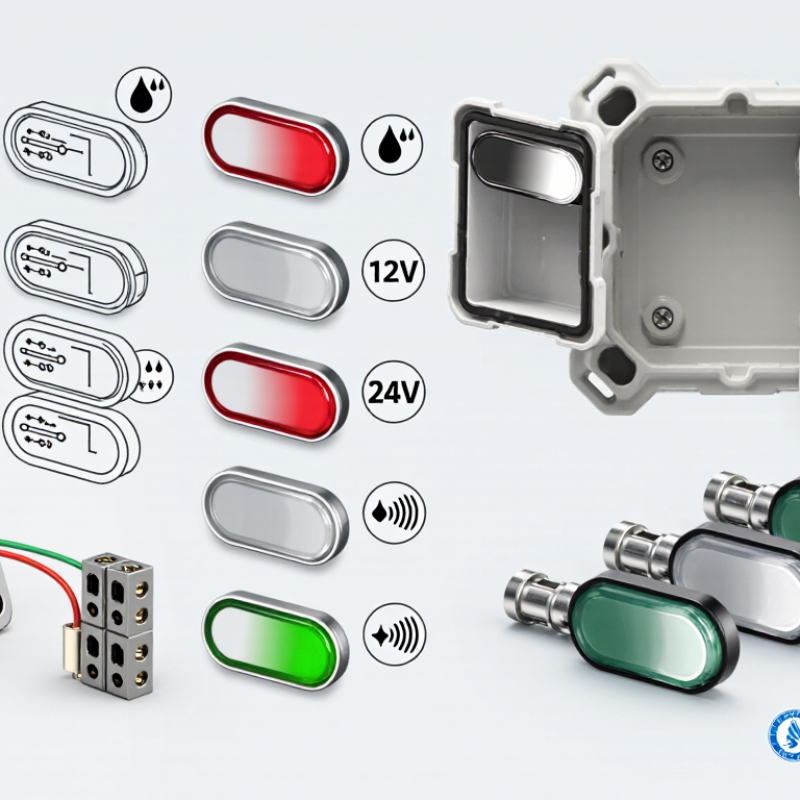
The lamp’s purpose also deserves attention. Red illumination may improve night visibility, while green can show an active function. Some switches glow only when switched on; others require separate wiring for independent status indication. Confirm the wiring diagram before installation. I have seen otherwise capable products chosen simply because their illuminated symbol looked attractive. That was not the best decision.

Consider the panel cutout, actuator feel, sealing, and expected switching cycles. For vehicles, workshops, or outdoor equipment, vibration and moisture resistance become practical concerns. Verify enclosure ratings and manufacturer documentation rather than trusting marketing language. Recognized testing marks can add confidence, but they still require regional verification. The “best” Lighted Toggle Switch depends on the application, not a universal ranking. Test the switch with your actual load whenever possible. Real conditions reveal weaknesses that product photos hide. Mistakes happen. Careful checking reduces them.

How to Choose the Best Lighted Toggle Switch in 2026?

What Is a Lighted Toggle Switch and How Does It Work?

A lighted toggle switch combines a manual lever with a small electrical indicator. The lever opens or closes a circuit when moved between positions. A built-in LED or neon lamp then shows power, circuit status, or switch position. That small lamp matters. It can be seen through a dark control panel or beneath a vehicle dashboard.

The indicator usually receives voltage through a separate terminal, resistor, or internal circuit. In some designs, it lights when the switch has power. In others, it lights only after the connected load becomes active. This difference is easy to miss. Check the wiring diagram before installation. Match the switch voltage and current rating to the actual circuit, not an estimated load. Confirm whether the lamp uses direct current or alternating current. Polarity may matter for LEDs.

When choosing a lighted toggle switch in 2026, inspect terminal labels, insulation, sealing, and mechanical travel. A firm lever should not wobble after repeated operation. For damp equipment, select suitable environmental protection and verify the stated rating through technical documentation. Brightness should remain visible without causing glare at night. No indicator is perfect. Strong sunlight can wash it out, while a dim panel can make it distracting. Test the switch under real lighting, with the intended fuse and load connected. A careful test often reveals a wiring assumption that looked correct on paper.

Which Electrical and Lighting Specifications Matter Most?

How to Choose the Best Lighted Toggle Switch in 2026?

Electrical and lighting specifications matter more than appearance. Start with the circuit voltage and current, then check the switch’s rating for that exact load. A switch rated for 10 amps at 125 volts AC may perform differently on 12 volts DC. LED lamps also create short inrush currents, even when their normal wattage looks small. Choose contacts with a suitable margin. Do not rely only on the largest number printed on a listing.

The indicator requires equal attention. Confirm its operating voltage, polarity, brightness, and color temperature before installation. Some lamps need an internal resistor, while others require a separate one. Check the panel cutout diameter and terminal style with a real measurement. I once trusted a nearly matching dimension and had to enlarge the mounting hole. That was avoidable. Small errors become expensive inside a finished control panel.

Environmental ratings reveal practical durability. Select an appropriate IP rating for dust, moisture, and accidental splashes. Review the operating temperature range, mechanical life, and terminal insulation. For vibration, use secure connections and strain relief. Certification markings should match the installation region and applicable electrical requirements. A datasheet can still omit important details, so ask for the wiring diagram and test conditions. Bright illumination is not always better; excessive glare can make a status light harder to read. In a dark enclosure, a softer indicator may be the safer choice.

How to Match Switch Types with Different Applications

How to Choose the Best Lighted Toggle Switch in 2026?

How to Match Switch Types with Different Applications

Choosing a lighted toggle switch starts with the circuit, not its appearance. An SPST switch suits a simple on/off function, such as a panel lamp or small fan. An SPDT model works better when one control must select between two circuits. For reversing a low-voltage motor, a DPDT switch may be suitable, but the wiring requires careful checking.

Match the switch rating to the actual voltage, current, and load type. Motors and lamps can create startup surges that exceed their normal current. Check the datasheet, then leave a sensible safety margin. The indicator also needs attention. Some lights require a specific voltage, while others need an external resistor. Never assume the lamp will work directly from the supply.

Environment changes the selection. A control cabinet may need a sealed body and secure screw terminals. A workshop panel may benefit from a rugged actuator and clear illumination. For outdoor or damp equipment, verify the enclosure rating and terminal protection. I once used a visually attractive switch in a dusty prototype, and its light failed after repeated testing. That mistake taught me to inspect sealing details before installation.

For machinery, confirm whether the switch is approved for its control function. A toggle switch should not replace a properly certified emergency-stop device. Test the installed unit under realistic heat, vibration, and load conditions. A neat panel can still hide a poor electrical match.

How to Evaluate Safety, Durability, and Installation Requirements

How to Choose the Best Lighted Toggle Switch in 2026?

How to Evaluate Safety, Durability, and Installation Requirements

A lighted toggle switch should fit the circuit, enclosure, and working environment. Start by checking voltage, current rating, and lamp type. A switch rated for household use may fail in a vibrating vehicle panel. I learned this after a loose terminal caused intermittent lighting during testing. Small details matter.

For safety, choose insulated terminals, secure mounting, and clear circuit markings. Confirm whether the indicator needs a separate neutral, ground, or return connection. Never guess from wire colors alone. Follow the installation instructions and verify power is disconnected before touching conductors. Test continuity with a suitable meter before energizing the circuit. Durability depends on sealing, contact materials, operating cycles, and temperature tolerance. A rubber boot helps against dust, but it is not automatically waterproof. That assumption can become expensive.

Tips: Measure the panel opening twice. Leave room behind the switch for connectors and wire bends. Use strain relief where cables may pull. After installation, operate the switch repeatedly and watch for flickering, heat, or looseness. If the indicator is too bright at night, reconsider the circuit or use an approved dimming method. I would also photograph the wiring before closing the enclosure. It seems unnecessary, until troubleshooting begins. When ratings or wiring remain unclear, ask a qualified electrician to inspect the setup.

How to Compare Features, Costs, and Long-Term Value

How to Choose the Best Lighted Toggle Switch in 2026?

Choosing a lighted toggle switch starts with the actual circuit, not its appearance. Check the voltage, current rating, switching load, and lamp type. A switch rated for household lighting may fail under motor startup conditions. For control panels, I prefer clearly printed specifications and independent test documentation. They make comparison less dependent on attractive packaging.

Cost includes more than the purchase price. Compare the switch, wiring terminals, protective covers, installation time, and future replacements. A cheaper unit may use weak terminals or a dim indicator. That can create troubleshooting costs months later. Examine the actuator feel, contact resistance, mounting depth, and expected switching cycles. Also check whether the light remains visible in sunlight. Small details matter.

Long-term value becomes clearer during real installation work. In one retrofit, a bright indicator reduced operator mistakes, but its deep body required extra cabinet space. I had measured the panel incorrectly. That mistake cost more than the switch itself. Look for sealed construction where dust or moisture is present, and confirm the operating temperature range. Energy use is usually minor, but replacement access is not. A reliable datasheet, traceable testing, and available spare parts can matter more than a low initial price.

How to Choose the Best Lighted Toggle Switch in 2026?

How to Compare Features, Costs, and Long-Term Value

This comparison uses representative 2026 market specifications for common lighted toggle switch categories. Industrial-grade switches usually cost more initially, but their higher rated life and sealing performance can reduce replacement frequency in demanding applications. Always verify voltage, current rating, ingress protection, terminal type, and electrical-life specifications before purchasing.

Find the Right Repair Product for Your Project

Need to find the most appropriate product for the needs of your project? We can help because we have over 70 years of experience servicing the industry with every kind of project, from Do-it-yourself projects to large skyscrapers. Package Pavement has the experience, the knowledge and the products to help every project succeed.

Quikrete Repair Products
Legend
Package Pavement has two convenient locations in Stormville, NY (Dutchess County) and Ravena, NY (Greene County) to serve the Northeastern Region with bagged concrete, blacktop, mortar, and repair products. This map gives a general idea of where we service and the product lines we offer.
Package Pavement Products
Quikrete Products
Spec Mix Products
map

Our Brands Websites