How to Choose the Best Dock Shelter in 2026?

Choosing the best Dock Shelter in 2026 starts with the vehicles and loading conditions at your facility, not a product brochure. Measure the dock opening, note the range of trailer widths and heights, and observe how trucks approach the bay. A shelter that fits one familiar trailer may leave gaps around another. Small gaps matter.

Look closely at the frame, side curtains, and head curtain. These parts must flex around vehicles while maintaining a useful seal. Ask suppliers about fabric durability, repair options, and how the shelter performs in your site’s wind and weather. If forklifts move through the opening all day, easy access and visibility also deserve attention. They are not minor details.

Installation deserves equal care. A well-made shelter can perform poorly if the dock face is uneven or the dimensions are wrong. Request clear specifications, confirm site measurements, and compare warranty terms alongside the purchase price. Where possible, review installations at facilities with similar traffic and climate. That evidence is more useful than broad promises.

There is no universal “best” choice. Needs vary, and product claims should be checked against your actual operating conditions. A short site assessment may reveal an awkward approach angle or unusually tall trailers. It can also expose assumptions. Use those details to narrow the options, then choose a Dock Shelter that balances fit, durability, access, and upkeep. A little uncertainty is normal; ignoring it is not.

How to Choose the Best Dock Shelter in 2026?

Understanding Dock Shelter Types and Their Operating Principles

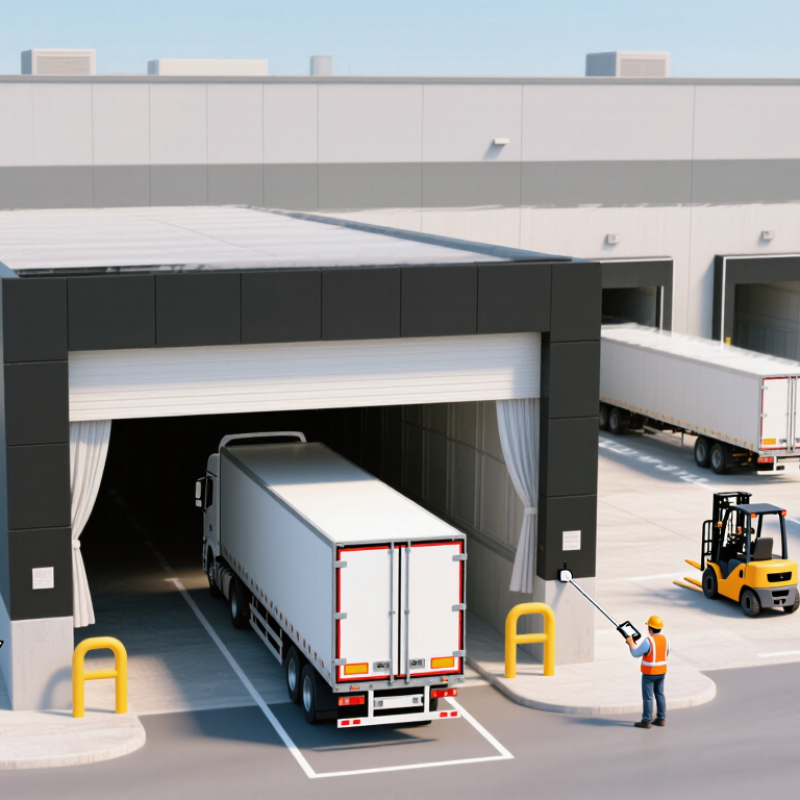
A dock shelter closes the gap around a truck while allowing access to the cargo area. Curtain shelters use flexible side and top curtains that overlap the trailer’s rear edges. They suit docks serving trucks of different widths, though worn curtains can leave visible gaps. Retractable shelters use a framed structure that moves when struck, reducing damage risk. Inflatable shelters fill the space with air-filled cushions, creating a closer fit for temperature-sensitive loading. They need time to inflate and deflate. That delay matters during fast turns.

The Global Cold Chain Alliance’s 2024 Global Cold Chain Capacity Report estimated worldwide refrigerated warehouse capacity at 719 million cubic metres in 2023. This scale makes dock interfaces important to cold-chain operations, but the figure does not measure shelter performance. For chilled sites, compare the shelter’s fit with the actual trailer fleet, not just the nominal door size. Look for gaps near the trailer’s upper corners, where cold air may escape. Small details matter.

A shelter that fits one vehicle perfectly may obstruct another. Measure trailer widths, heights, and approach angles across a normal working week. Check how curtains behave in wind and whether inflatable cushions can cycle at the site’s loading pace. In my experience, the best specification is rarely the most elaborate one. Sometimes, the simpler option fits the traffic better. A little uncertainty remains until the shelter is tested with real vehicles.

Assessing Your Loading Bay, Vehicles, and Climate

How to Choose the Best Dock Shelter in 2026?
Assessing Your Loading Bay, Vehicles, and Climate

A sound choice starts with measuring the bay, not guessing from a photo. Record the clear door opening, dock height, wall space, and approach angle. Check for pipes, lights, and other obstacles around the opening. Small details matter. A shelter that fits the doorway may still interfere with a trailer’s rear doors or restrict access for service crews.

Next, compare the shelter with the vehicles that actually use the dock. Note trailer widths, heights, and how consistently drivers position them. If several vehicle types arrive, look for a design that can compress or adjust without leaving large gaps. Watch a few arrivals during a busy shift; real parking patterns can differ from the neat alignment shown on plans. They can be frustratingly inconsistent.

Climate changes the priorities. Frequent rain calls for effective water shedding and drainage, while strong winds can put extra stress on curtains and frames. In cold conditions, reducing drafts may matter more; in hot, sunny locations, durable materials and heat exposure deserve attention. Ask how the shelter handles seasonal temperature swings, and inspect areas where water might collect. No design removes every gap, and a perfect fit on paper may disappoint on site. Compare site measurements with the supplier’s specifications, then verify clearance and vehicle fit before installation.

Comparing Materials, Sealing Performance, and Durability

How to Choose the Best Dock Shelter in 2026?
Comparing Materials, Sealing Performance, and Durability

A dock shelter should match the vehicles, weather, and loading routine at your site. Flexible fabric shelters suit facilities with varied truck heights and frequent movement. Foam-filled curtains can provide tighter contact, but they need suitable vehicle alignment. Check the frame and fabric for abrasion resistance, UV exposure, and temperature changes. Small details matter.

Sealing performance depends on more than the material. Look for consistent contact around the trailer, especially at the sides and top. Gaps can let rain, dust, and outdoor air enter. Ask how the shelter handles uneven approaches and repeated compression. A tight seal may still wear quickly if trucks regularly strike it off-center. That part is easy to overlook.

Tips: Measure your common trailer sizes, not just the largest one. Inspect corners, stitching, and mounting points during routine checks. Compare repair options and replacement-part availability before choosing. Keep notes on wear; one season of site-specific use can reveal more than a brochure. A perfect fit is unlikely, so leave room to reassess.

Checking Safety, Maintenance, and Energy Efficiency

Choosing a dock shelter in 2026 means checking how it behaves during a busy shift, not just reviewing its quoted dimensions. A trailer can arrive slightly off-center, so inspect whether side curtains reach and recover properly. The head curtain should suit the expected range of trailer heights without folding into the loading path. Safety comes first. Look for clear sightlines, secure frame anchors, and materials that do not obstruct dock lights or emergency access. Ask how the shelter handles wind and repeated contact; a neat showroom fit tells little.

Maintenance affects safety and long-term costs. Check seams, fasteners, and curtain edges for wear during routine inspections. Replaceable panels can speed up repairs, while accessible hardware reduces time spent working at height. Keep torn fabric and loose fittings away from the floor. Small issues grow. Still, inspection schedules can slip during busy shifts, so choose a design that is easy to examine, not merely easy to install.

For energy efficiency, a close seal helps limit drafts and stabilize indoor temperatures. Compare the fit with actual vehicle sizes, door use, and local climate. A tighter-looking seal is not automatically better if it snags or wears quickly. Request test details and expected service conditions rather than relying on broad savings claims. Track temperature swings or heating runtime after installation. Results may be uneven, and that is useful data. A brief gap during docking is unavoidable, but persistent gaps deserve attention.

How to Choose the Best Dock Shelter in 2026? - Checking Safety, Maintenance, and Energy Efficiency

Shelter Type Typical Sealing and Energy Performance Safety and Traffic Considerations Maintenance Considerations Best Suited For Checks Before Selection
Curtain shelter Flexible side and head curtains accommodate a range of vehicle widths and heights. Sealing is generally less complete than with a well-fitted inflatable shelter, so air exchange may be greater. Can provide a clear approach when correctly positioned. Confirm that curtains and frame do not obstruct the vehicle path or dock equipment. Inspect curtains, stitching, fasteners, and frame for tears, wear, or impact damage. Replace damaged sections as needed. Facilities serving varied vehicle sizes and seeking a relatively simple, adaptable shelter. Compare the expected vehicle range with the opening dimensions. Check curtain reach, frame clearance, and how the shelter handles vehicle misalignment.
Foam-pad shelter Compressible side and head pads can form a close seal when vehicle dimensions are consistent. A poor fit or uneven contact can reduce sealing performance. Check that pads compress without interfering with doors, hinges, cargo, or vehicle movement. Vehicle positioning remains important. Check pad covers and foam for tears, compression loss, and damage from repeated contact. Keep contact surfaces clear of debris. Operations with a relatively consistent fleet and repeatable vehicle positioning. Verify vehicle body dimensions and rear-door arrangement. Confirm that the pads contact suitable vehicle surfaces without obstructing loading access.
Inflatable shelter Inflatable cushions can provide a close seal around compatible vehicles. The fan, controls, and operating procedure affect performance; the shelter must match the vehicle range. Confirm that inflation and deflation do not delay safe vehicle movement. Use a separate vehicle restraint or other required dock-safety system where applicable. Inspect cushions, seams, fan, controls, and electrical connections. Follow the equipment instructions for cleaning, testing, and service. Facilities seeking a tighter vehicle interface and handling a suitable, predictable range of vehicle sizes. Check cushion reach, vehicle compatibility, power supply, controls, and what happens during a power or equipment fault.
Retractable curtain shelter Side and head curtains can flex or retract when contacted, helping accommodate some vehicle variation. Sealing depends on curtain overlap, vehicle alignment, and the size of gaps. Confirm the frame and curtains can move as intended and will not create an obstruction during reversing or loading. Keep approach and sightlines clear. Inspect retractable parts, supports, curtains, and fixings for wear or damage. Check that moving sections operate freely. Docks where vehicles may vary in size or occasional contact with the shelter is a concern. Review the expected vehicle mix, available wall space, frame movement, and the shelter’s clearance from dock levellers and other equipment.

Selection note: Energy performance depends on the fit between the shelter and the actual vehicle fleet, as well as door-opening practices, dock condition, and facility pressure or ventilation. Confirm dimensions on site and follow applicable safety procedures. A dock shelter is not a vehicle restraint.

Selecting a Shelter and Verifying Installation Requirements

Choose a dock shelter from measured vehicle dimensions, not catalog photos. Record the trailer heights, widths, approach angles, and the range of vehicles using each bay. Fit matters. A shelter that is too tight can snag trailer doors; one that is too large may leave exposed gaps. Check the dock face, wall strength, and available clearance before choosing a design. The U.S. Bureau of Labor Statistics reported 2.6 million nonfatal workplace injury and illness cases in private industry in 2023. That figure is not dock-specific, but it underscores why access and safe movement deserve attention alongside weather protection.

Before installation, confirm that the frame can be anchored to the actual wall structure and that the shelter will not obstruct dock lights, levelers, or vehicle doors. Check that the opening is square, the floor drains away from the dock, and the side and head pads compress evenly against a parked trailer. Small gaps matter. Ask the installer to test several trailer sizes, not just the vehicle on site that day. OSHA standard 29 CFR 1910.178(k)(1) requires truck brakes to be set and wheels chocked while powered industrial trucks board a highway truck. Coordinate that procedure with the dock team, and verify that the shelter’s moving parts remain clear during loading. Even a carefully specified seal can perform poorly when the wall is uneven; document that limitation rather than assuming installation went perfectly.

Find the Right Repair Product for Your Project

Need to find the most appropriate product for the needs of your project? We can help because we have over 70 years of experience servicing the industry with every kind of project, from Do-it-yourself projects to large skyscrapers. Package Pavement has the experience, the knowledge and the products to help every project succeed.

Quikrete Repair Products
Legend
Package Pavement has two convenient locations in Stormville, NY (Dutchess County) and Ravena, NY (Greene County) to serve the Northeastern Region with bagged concrete, blacktop, mortar, and repair products. This map gives a general idea of where we service and the product lines we offer.
Package Pavement Products
Quikrete Products
Spec Mix Products
map

Our Brands Websites