How to Choose the Best Canvas Awnings for Global Buyers?

Choosing the right Canvas Awnings can influence comfort, energy use, and customer satisfaction across different markets. A sunny balcony in Dubai faces different demands than a rainy café terrace in London. Fabric weight, UV resistance, water repellency, frame strength, and ventilation all deserve careful attention. Appearance matters, but performance decides whether an awning remains useful after repeated exposure.

Global buyers also need to examine installation conditions, packaging, maintenance, and supplier support. A canvas that performs well in a dry climate may absorb moisture in a coastal environment. Salt air can gradually weaken fittings. Wind exposure can create additional stress. Small details matter. Experienced suppliers should provide clear material specifications, testing information, warranty terms, and installation guidance. Independent reviews and practical project references can strengthen confidence, although no document replaces careful product inspection.

There is no universal “best” option. That assumption often leads to expensive mistakes. Buyers should compare the awning with the building, climate, budget, and expected usage. A café may need quick operation and easy cleaning, while a home may prioritize color stability and quiet movement. Samples help reveal texture, stitching, and shade accuracy before a large order. Still, samples cannot show long-term weathering. This guide explores the main selection criteria for Canvas Awnings, while acknowledging an important limitation: product performance depends on correct installation and regular care. Careful decisions begin with realistic expectations.

How to Choose the Best Canvas Awnings for Global Buyers?

Understanding Canvas Awning Types and Their Main Applications

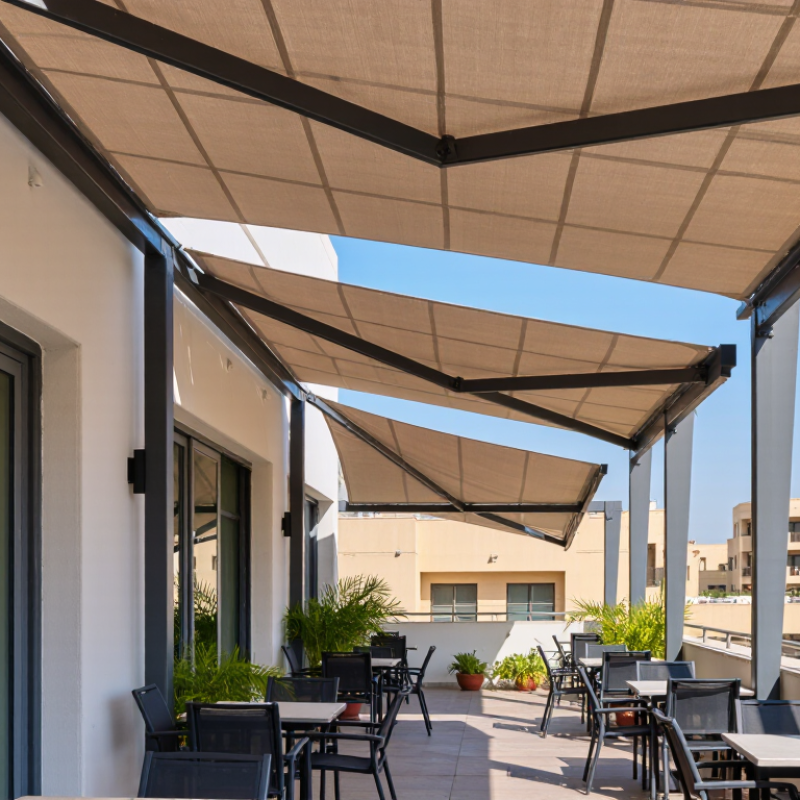
Canvas awnings come in several practical forms, and each suits a different setting. Fixed awnings provide stable shade over windows, doors, and outdoor walkways. They work well where protection is needed every day. Retractable awnings offer adjustable coverage for patios, balconies, and café seating. Their folding arms require careful installation and regular inspection. Dome awnings project a rounded profile, making them suitable for shopfronts and compact windows.

The canvas itself affects comfort and service life. Solution-dyed acrylic resists strong sunlight and usually keeps its color longer. Coated polyester can provide useful water resistance and easier cleaning. Cotton canvas feels natural, but it may need more maintenance in humid climates. Buyers should check fabric weight, UV performance, stitching quality, and frame corrosion protection. A pale fabric can reduce heat, while a darker one often creates stronger visual contrast.

Application conditions matter more than appearance alone. A coastal property may need corrosion-resistant hardware and frequent salt removal. In windy regions, a retractable model should close securely before severe weather. Measure the wall, projection, drainage path, and mounting surface before ordering. I have seen attractive awnings fail because installers ignored the wall structure. That mistake is easy to repeat. Local building rules, fire requirements, and wind ratings also deserve verification, because specifications vary between countries. Even experienced buyers can overlook maintenance access.

How to Choose the Best Canvas Awnings for Global Buyers? — Canvas Awning Types and Their Main Applications
Awning Type Primary Fabric Construction Typical Applications Key Advantages Main Limitations UV Resistance Water Resistance Breathability Recommended Climate Typical Service Life* Best Buyer Priority
Plain Cotton Canvas Woven cotton fibers, usually treated with a water-repellent finish Traditional storefront awnings, market stalls, patios, temporary outdoor shade, decorative residential projects Natural appearance, good air circulation, comfortable shade, easy to print or customize Can absorb moisture, may mildew if stored damp, and generally fades faster than synthetic fabrics Moderate Moderate when treated High Dry or seasonally mild regions; suitable where natural aesthetics are important Approximately 3–8 years with proper care Natural texture and traditional design
Acrylic-Coated Polyester Canvas Polyester base fabric coated with acrylic on one or both sides Retractable patio awnings, window awnings, balcony covers, residential and light commercial shading Good dimensional stability, moderate color retention, lightweight construction, and broad color availability Coating may wear after prolonged abrasion; less breathable than uncoated woven fabric Good Good to high Moderate Mixed climates with moderate to strong sunlight Approximately 5–10 years with regular maintenance Balanced cost, appearance, and performance
Solution-Dyed Acrylic Canvas Acrylic fibers colored throughout before being spun and woven Premium retractable awnings, hospitality terraces, restaurants, hotels, coastal homes, and high-sun-exposure applications Strong color retention, good UV resistance, low water absorption, and good resistance to mildew growth Higher purchase price; fabric can still be damaged by sharp objects, harsh cleaners, or improper tension Excellent Good to high High Hot, sunny, humid, or coastal environments Approximately 8–15 years with suitable cleaning and storage Long-term outdoor exposure and color stability
PVC-Coated Polyester Canvas Polyester scrim coated with polyvinyl chloride on one or both sides Commercial entrance canopies, industrial shelters, truck-side covers, event structures, and heavy-duty shade systems High water resistance, easy cleaning, strong tear resistance, and suitability for large panels Lower breathability, higher weight, possible heat buildup, and a more plastic-like surface appearance Good to excellent Excellent Low Wet climates, high-use commercial areas, and applications requiring weather protection Approximately 7–15 years, depending on coating quality and exposure Waterproofing, durability, and easy maintenance
PU-Coated Polyester Canvas Polyester fabric coated with polyurethane, generally lighter and more flexible than PVC-coated fabric Portable awnings, camping shelters, lightweight canopies, vehicle awnings, and temporary shade structures Lightweight, flexible, compact for transport, and suitable for portable products Coating can degrade under continuous UV exposure; may have lower abrasion resistance than heavier coated fabrics Moderate to good High Low to moderate Travel, seasonal use, and moderate outdoor exposure Approximately 3–8 years, depending on exposure and handling Low weight, portability, and compact storage
Fire-Retardant Canvas Woven synthetic or natural fabric treated with a flame-retardant finish or manufactured with inherent flame resistance Event tents, public-space canopies, hospitality venues, transport facilities, and projects with fire-safety requirements Supports compliance with applicable fire-performance requirements and is available in multiple fabric weights Fire performance depends on the specific standard, testing method, and certification; some treatments may reduce after repeated washing Varies by fiber and finish Varies by coating Moderate to high Public or commercial environments subject to local fire regulations Approximately 4–12 years, depending on fabric and exposure Documented fire performance and regulatory compliance
Mesh Canvas Open-weave polyester or acrylic mesh designed to allow controlled airflow and visibility Solar screens, pergola covers, balcony screens, outdoor seating areas, and wind-exposed locations Reduces glare and solar heat while allowing ventilation; lower wind load than solid fabric Does not provide complete rain protection; privacy and shade levels depend on openness factor Good to excellent Limited Excellent Hot, windy, and sunny regions where airflow is essential Approximately 5–12 years with proper installation Ventilation, glare reduction, and wind management
Marine-Grade Canvas High-performance solution-dyed acrylic or coated polyester designed for severe outdoor exposure Boat covers, waterfront awnings, yacht decks, coastal patios, and high-humidity outdoor installations Strong resistance to sunlight, moisture, salt-air exposure, and repeated outdoor use Higher material cost; requires correct tension, ventilation, and cleaning to prevent staining or corrosion of hardware Excellent High to excellent Moderate to high Coastal, marine, humid, and high-salinity environments Approximately 8–15 years with marine-appropriate care Salt-air resistance and severe-weather durability
*Service-life figures are indicative ranges, not guarantees. Actual performance depends on fabric quality, UV exposure, wind, moisture, installation angle, cleaning methods, storage, ventilation, and the quality of the frame and hardware. Always verify local building, fire-safety, wind-load, and water-resistance requirements before selecting a fabric.

Assessing Climate, Fabric Quality, and Weather Resistance

How to Choose the Best Canvas Awnings for Global Buyers?

Climate should guide every canvas awning decision. The World Meteorological Organization reported that 2023 was approximately 1.45°C above the pre-industrial average. It was the warmest year recorded. Buyers should study local heat, humidity, rainfall, wind, and ultraviolet exposure before choosing fabric. NOAA’s 1991–2020 Climate Normals can help compare regional temperature and precipitation patterns. A coastal balcony needs different protection from a dry, high-altitude terrace.

Fabric quality affects service life more than appearance. Solution-dyed acrylic usually offers strong color retention because the pigment runs through the fiber. Polyester may provide useful strength, but its UV performance depends heavily on coating and construction. Ask for fabric weight, weave density, tensile strength, and seam details. Request colorfastness evidence under ISO 105-B02 or comparable testing. ASTM G154 accelerated weathering tests can reveal fading and surface degradation. Test data is more valuable than phrases like “all-weather.”

Weather resistance also depends on installation. A tightly stretched awning sheds rain better than a sagging panel. Check water-repellent performance, hydrostatic resistance, corrosion protection, and wind-rating documentation. The European standard EN 13561 provides a useful reference for external blinds and awnings. Yet laboratory results cannot copy every storm. A dry sample can mislead. I would inspect drainage, stitching, and hardware after several wet seasons, not only after delivery.

Choosing the Right Awning Size, Shape, and Installation Method

How to Choose the Best Canvas Awnings for Global Buyers?

Choosing the Right Awning Size, Shape, and Installation Method

Start with the opening, not the fabric color. Measure its width, height, and required projection from the wall. Measure twice.

A practical rule is to extend the awning beyond each side by 15 to 30 centimeters. This reduces glare and protects more of the entrance. However, oversized canvas can collect wind and place extra stress on brackets. Small errors matter. Consider the sun’s angle, nearby windows, doors, signs, and outdoor furniture before choosing the final dimensions.

Shape should support both coverage and water movement. Sloped designs usually shed rain better than flat installations. Curved edges can soften a commercial façade, but they may reduce useful shade near the corners. From installation experience, a modest pitch often performs more reliably than an aggressive angle. Check the manufacturer’s recommended pitch and the expected local wind conditions. These details are easy to overlook.

The mounting method depends on the building structure. Wall mounting suits solid masonry, while soffit or fascia mounting may work better beneath roof edges. Lightweight cladding alone is rarely a dependable anchor. Use corrosion-resistant hardware suited to the local climate, and confirm load requirements with a qualified installer. In coastal areas, salt exposure changes maintenance needs. Local building rules may also affect projection, attachment points, and drainage. A freestanding frame can solve weak walls, but it requires stable foundations and more space. I once allowed too little clearance above a doorway; the awning worked, but daily use felt awkward. That mistake changed how I plan every installation.

Comparing Features, Maintenance Needs, and Total Ownership Costs

How to Choose the Best Canvas Awnings for Global Buyers?

A canvas awning should match local sun, rain, wind, and installation conditions. Fabric alone is not enough. Look for solution-dyed acrylic, UV resistance, stainless or powder-coated frames, and replaceable covers. The U.S. Department of Energy’s Energy Saver guidance reports that awnings can reduce solar heat gain by up to 65% on south-facing windows and 77% on west-facing windows. These figures vary with window size, fabric openness, and projection depth. Real buildings are less predictable.

Total ownership cost includes purchase, shipping, installation, cleaning, repairs, fabric replacement, and energy performance. The ASHRAE Handbook recommends evaluating solar heat gain through the window system, not the awning alone. A manual model usually has fewer failure points. Motorized units offer convenience, but controls and sensors can increase repair costs. Coastal buyers should question corrosion protection carefully. One overlooked fastener can become an expensive problem. The lowest quotation may not remain economical after several seasons.

Tips: Request fabric test data, wind limits, cleaning instructions, spare-part availability, and warranty exclusions. Compare a five-year cost, not only the invoice. Ask for local maintenance support. Check drainage after rain. Also inspect the awning at full extension; small shadows can reveal poor alignment. I would leave room for uncertainty, because climate exposure and installation quality often matter more than catalog claims.

Checking Global Standards, Suppliers, Shipping, and After-Sales Support

Choosing canvas awnings for international projects requires more than comparing fabric colors and prices. Ask suppliers for documented fabric weight, UV resistance, water repellency, seam strength, and frame-load data. Confirm which standards their tests follow, and check whether certificates apply to the exact model. Local wind, fire, and installation rules can differ sharply between regions. Request recent test reports, production photos, and two comparable customer references.

I once trusted a neat sample too quickly; the finished stitching was less consistent. That mistake still matters.

Tips:

Build a supplier checklist before requesting quotations. Ask for a physical sample. Measure twice. Record fabric shade, dimensions, hardware, packaging, and inspection limits. Use the same checklist for every quotation. Small omissions create expensive disputes.

Shipping should be treated as part of product quality.

Clarify the delivery term, port responsibilities, carton dimensions, and moisture protection. Ask how rolled canvas is supported to prevent creases during long transit. Confirm export documents, labeling, and customs information before production begins. A low unit price may become costly when packaging or storage is excluded.

After-sales support deserves measurable promises.

Look for a written warranty, spare-fabric options, installation guidance, and a named response contact. Agree on response times for defects, missing parts, and color variation. Photos and serial records can make claims faster. Do not assume every issue is covered. Ask what is not covered. Reliable suppliers accept these questions and explain their limits clearly.

Find the Right Repair Product for Your Project

Need to find the most appropriate product for the needs of your project? We can help because we have over 70 years of experience servicing the industry with every kind of project, from Do-it-yourself projects to large skyscrapers. Package Pavement has the experience, the knowledge and the products to help every project succeed.

Quikrete Repair Products
Legend
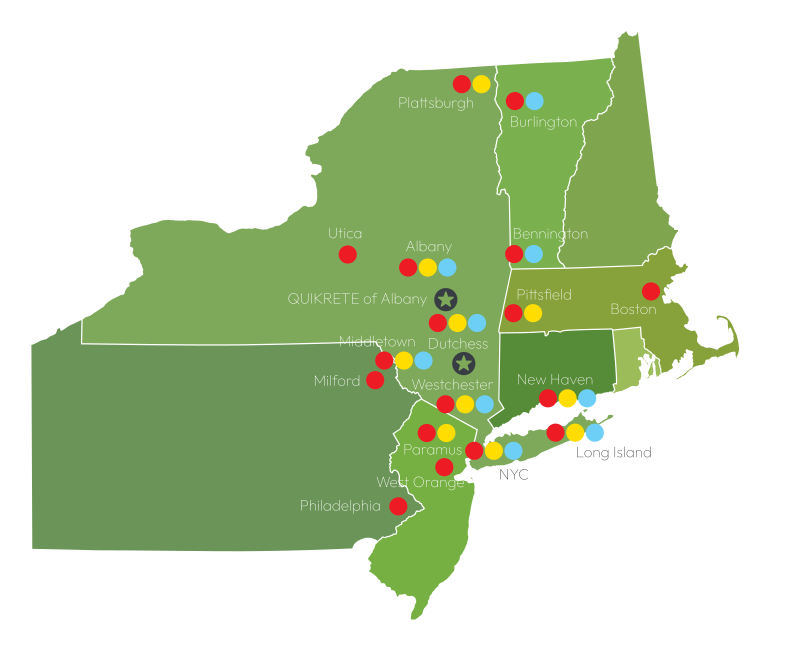
Package Pavement has two convenient locations in Stormville, NY (Dutchess County) and Ravena, NY (Greene County) to serve the Northeastern Region with bagged concrete, blacktop, mortar, and repair products. This map gives a general idea of where we service and the product lines we offer.
Package Pavement Products
Quikrete Products
Spec Mix Products
map

Our Brands Websites