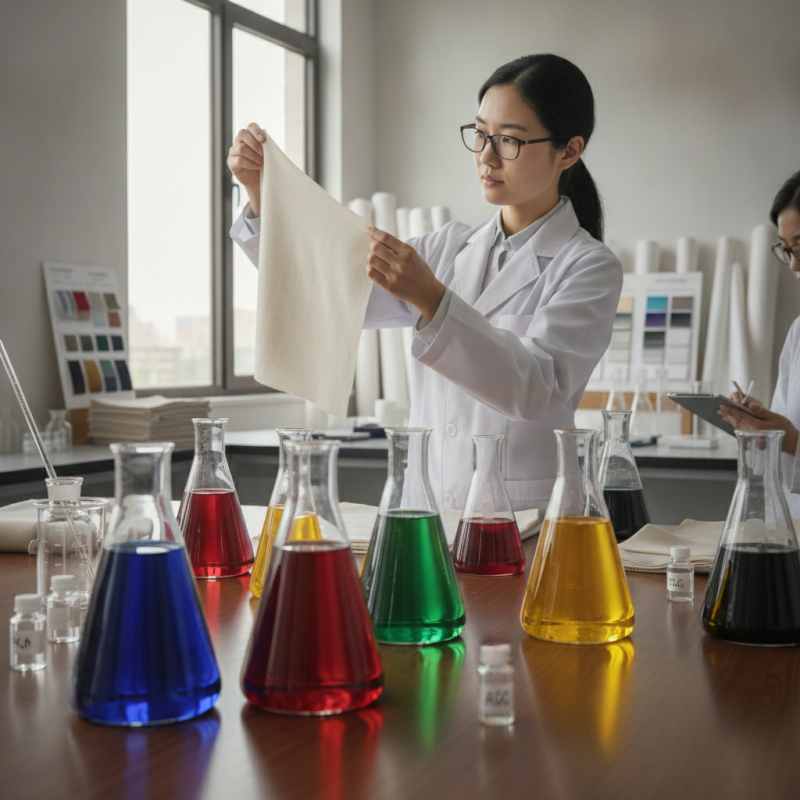
How to Choose the Best Basic Dyes for Your Business Needs?

Choosing the right Basic Dyes for your business can be daunting. The global dye market is expected to reach $31.3 billion by 2025, highlighting the importance of selecting quality dyes. "The right Basic Dyes can enhance fabric performance and aesthetics," says Dr. Emily Cheng, a leading expert in textile chemistry. Her insights stress the impact of dye choice on end products.

Understanding the various types of Basic Dyes available is crucial. Factors such as color fastness, solubility, and application methods play vital roles. Companies must consider their specific fabric types and desired effects. A mismatch can lead to unsatisfactory results and wasted resources.

Moreover, many businesses underestimate sourcing quality suppliers. Reliable partnerships are essential for consistent supply and quality assurance. Some manufacturers may offer lower prices but compromise on dye quality. In the long run, this can affect brand reputation. Careful reflection on these aspects can lead to better decision-making and successful outcomes in the dye industry.

How to Choose the Best Basic Dyes for Your Business Needs?

The Importance of Understanding Different Types of Basic Dyes in Industry

When selecting basic dyes for industrial applications, understanding the different types is crucial. Basic dyes are water-soluble cationic dyes. They work on a variety of substrates but have unique characteristics. Some are ideal for dyeing synthetic fibers, while others excel with natural fabrics. This knowledge directly impacts color quality.

The choice of dye affects the final product. For example, vibrant shades may require a specific dye type and method. Manufacturers must consider fabric compatibility and dye fastness. However, not all dyes perform consistently. Some may fade or wash out, requiring testing before mass production. Identifying appropriate dyes also involves recognizing environmental regulations. Sustainable practices are more than a trend; they are essential.

In practice, different industries report varying results with basic dyes. The textile industry often demands specific color performance. Others, like cosmetics, might need brighter shades that last longer. Learning from past experiences can guide future decisions. It's important to remain open to feedback and adapt. Ultimately, a deep understanding of basic dyes can enhance product quality and operational efficiency.

Key Factors to Consider When Selecting Basic Dyes for Your Application

When selecting basic dyes for your application, it’s crucial to evaluate several key factors. The type of fabric or material influences dye choice significantly. Basic dyes work well on synthetic fibers, like nylon and acrylic. If you're working with natural fibers, results may not be as vibrant. Also, consider the end-use of the dyed product. Will it face high wear and tear? Durability is essential.

Colorfastness is another aspect to think about. Test samples to see how the dye reacts to washing and light exposure. Poor colorfastness can lead to dissatisfaction among customers. Assess the dye concentration and the required processes. Some dyes may need specific conditions, leading to added costs or complexity. Availability can also pose a challenge; not all suppliers provide every shade or type.

Lastly, consider your technical capabilities. Not all facilities have the same dyeing equipment. Work within your means to avoid costly mistakes. Weigh the pros and cons of each option. This may require some trial and error. Reflect on past experiences with dyes. What worked? What didn’t? Using this information can guide future decisions. Ultimately, careful consideration of these factors can lead to better dye choices for your business.

How to Choose the Best Basic Dyes for Your Business Needs?

Key Factor Description Considerations
Color Fastness The resistance of the dye to fading or running. Choose dyes with high light and wash fastness for durable applications.
Solubility The ability of the dye to dissolve in water or solvents. Assess the required solubility based on the application method.
Safety The non-toxicity and environmental impact of the dye. Select dyes that comply with safety regulations.
Cost The price of the dye and overall budget considerations. Balance cost with quality and performance.
Application Method The process used to apply the dye (e.g., immersion, spray). Choose dyes compatible with your application equipment.

Evaluating Color Fastness and Performance of Basic Dyes for Business Needs

When selecting basic dyes for business needs, evaluating color fastness is crucial. Color fastness refers to how well a dye maintains its color under various conditions. This can include exposure to light, washing, and heat. Poor color fastness might lead to dissatisfaction among customers and can affect your brand's reputation.

Performance is also essential. Basic dyes can offer vibrant colors, but their application can pose challenges. Many businesses report inconsistent results during dyeing processes. Variables such as temperature and pH levels can impact outcomes. Regular testing can help identify problems and ensure reliability.

Experimentation is key. Consider small batches to assess dye performance before scaling up. Keep track of results meticulously. This practice will provide insights into which dyes align best with your desired standards. It’s not uncommon for businesses to encounter unexpected issues during production. Learning from these experiences will sharpen your decision-making process.

Color Fastness and Performance of Basic Dyes

Cost Analysis: Budgeting for Basic Dyes and Maximizing ROI in Production

When considering basic dyes for your business, budget analysis is crucial. It’s essential to identify the total cost of ownership. A report by the Textile Research Institute states that raw materials account for approximately 50% of total production costs in dye manufacturing. By choosing cost-effective basic dyes, businesses can significantly reduce expenses while maintaining quality.

Maximizing your ROI involves selecting dyes that align with production needs. For instance, textile companies using efficient dyeing processes can save up to 30% in operational costs. Efficiency in dye use translates directly into lower waste and higher profitability. Additionally, investing in training for staff can enhance dye application techniques, improving output quality and consistency.

However, some businesses overlook the hidden costs associated with dye selection. Quality discrepancies or colorfastness issues can lead to reprocessing, incurring extra costs. Even minor deficiencies can snowball into significant financial impacts. Analyzing supplier reliability and long-term relationship benefits becomes essential for sustaining a budget-friendly approach. In this competitive landscape, a strategic focus on costs can define success.

Sustainability Considerations in Choosing Basic Dyes for Eco-Friendly Practices

When selecting basic dyes, sustainability becomes a key factor. Businesses should prioritize eco-friendly practices that reduce environmental impact. Natural dyes, sourced from plants or minerals, offer a great alternative. They are biodegradable and less harmful compared to synthetic options. This shift aids in reducing carbon footprints and promotes biodiversity.


However, the transition to sustainable dyes can pose challenges. Sourcing pure natural dyes may be more difficult and time-consuming. These dyes also often require specific conditions for optimal results, adding complexity to the dyeing process. Some businesses might struggle with consistency in color and performance.


Investing in sustainable practices showcases a commitment to the environment. This shift can attract eco-conscious consumers. Balancing cost with sustainability is vital. Businesses may need to experiment with different formulations and processes. Embracing sustainability is a journey, not a destination.

Article Source:

Find the Right Repair Product for Your Project

Need to find the most appropriate product for the needs of your project? We can help because we have over 70 years of experience servicing the industry with every kind of project, from Do-it-yourself projects to large skyscrapers. Package Pavement has the experience, the knowledge and the products to help every project succeed.
Quikrete Repair Products
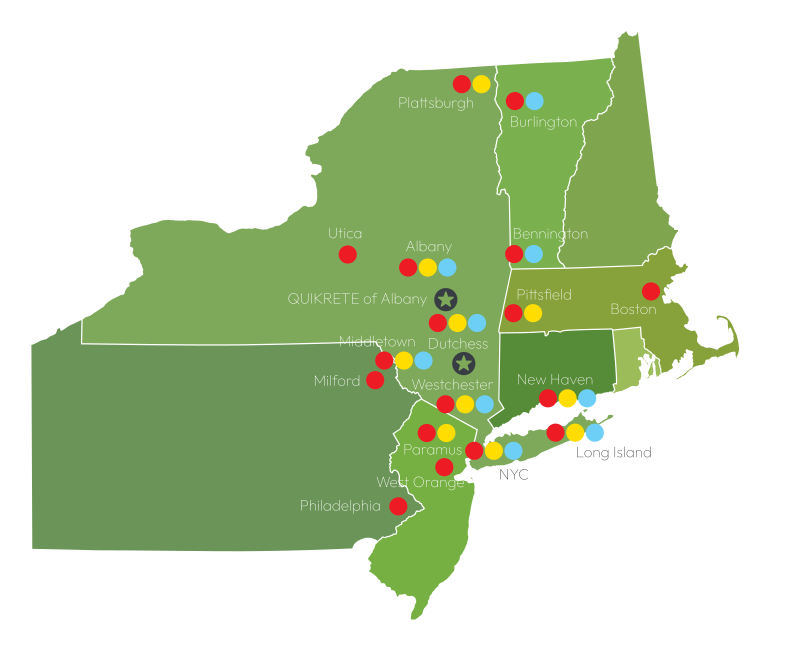
Legend
Package Pavement has two convenient locations in Stormville, NY (Dutchess County) and Ravena, NY (Greene County) to serve the Northeastern Region with bagged concrete, blacktop, mortar, and repair products. This map gives a general idea of where we service and the product lines we offer.
Package Pavement Products
Quikrete Products
Spec Mix Products
map

Our Brands Websites