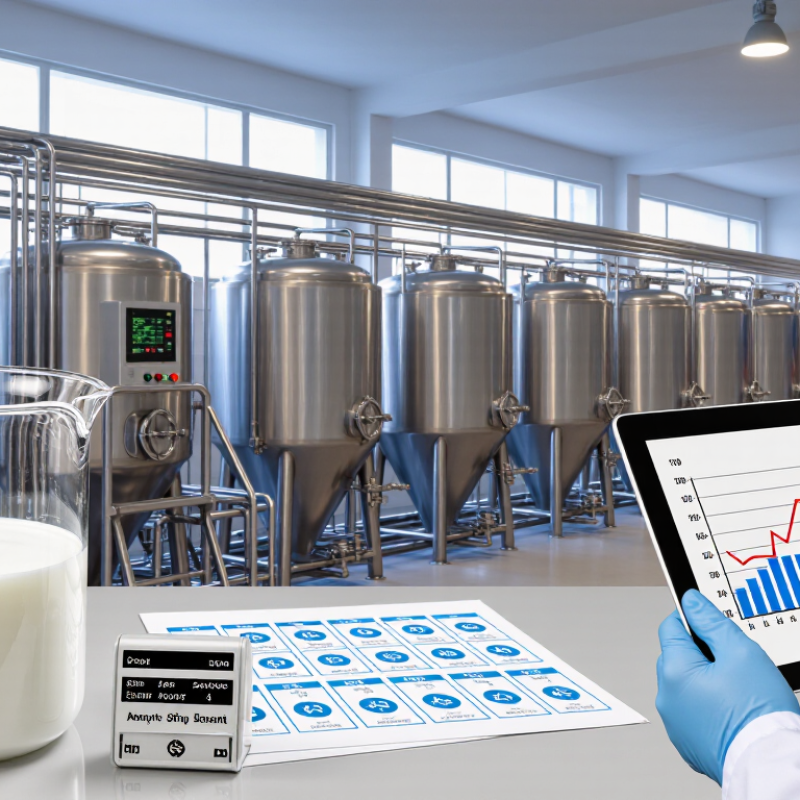
Choosing a silicone antifoam manufacturer in 2026 requires more than comparing prices. Quality begins with consistent raw materials, controlled processing, and clear batch records. Ask for the technical data sheet, safety data sheet, certificate of analysis, and product specification. These documents should match the actual material delivered.
During supplier evaluations, request evidence of a documented quality system and recent audit results. Check whether each batch has a traceable number, production date, viscosity range, active content, and storage guidance. A reliable manufacturer should explain how it controls mixing, filtration, filling, and contamination risks. Request samples from different production batches. One sample proves very little.
Compliance must fit your application and sales region. Confirm whether the formulation meets relevant chemical registration, labeling, transport, and environmental requirements. Food, pharmaceutical, and personal-care uses may require additional controls, testing, or manufacturing practices. Do not accept vague claims such as “globally compliant.” Ask which regulations apply and which documents support that claim.
I have seen technically strong suppliers lose trust through weak packaging records. Small details matter. Check drum seals, labels, pallet protection, and delivery temperature records. Speak with the quality manager, not only the sales representative. Their answers should be specific and consistent. No supplier is perfect. A manufacturer that admits a limitation, investigates deviations, and documents corrective action may be safer than one promising flawless performance.