


How to Choose the Right Construction Materials for Your Building Project

When embarking on a building project, one of the most critical decisions that developers and architects face is the selection of the right construction materials. As renowned construction materials expert Dr. John Thompson has aptly stated, "The choice of construction materials can significantly influence the longevity, sustainability, and overall success of a building." This statement underscores the importance of not only considering the aesthetic appeal but also the functionality and durability of the materials chosen.

Understanding the vast array of construction materials available can be overwhelming, yet it is essential for achieving a project that meets both design intentions and performance requirements. Factors such as climate, design specifications, and environmental impact all play vital roles in material selection. For instance, opting for energy-efficient materials can enhance a building’s sustainability while reducing long-term operational costs.

As we explore how to choose the right construction materials for your building project, it becomes evident that informed decisions can lead to safer, more sustainable, and economically viable outcomes. Therefore, it is imperative to assess not only the initial cost of materials but also their life cycle performance and the broader implications they have on the surrounding environment and community.

How to Choose the Right Construction Materials for Your Building Project

Factors to Consider When Selecting Construction Materials

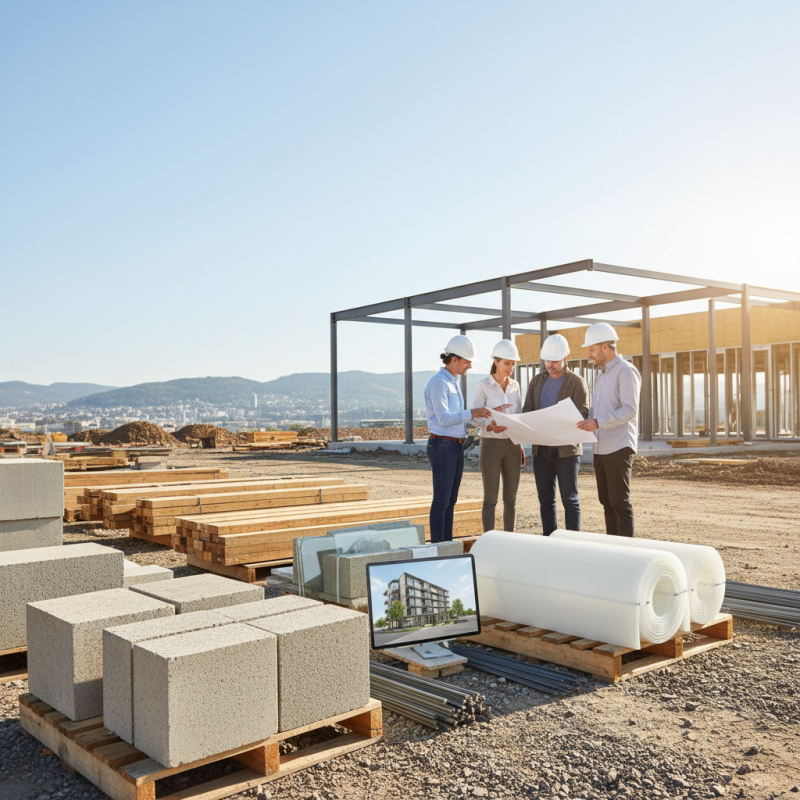
When selecting construction materials for your building project, several critical factors must be considered to ensure the success and longevity of the structure. First and foremost is the climate and environment of the construction site. Materials must be suitable for local weather conditions, including temperature extremes, humidity levels, and precipitation. For instance, in areas prone to heavy rainfall, materials with good water-resistant properties are essential to prevent deterioration over time. Additionally, local environmental conditions might influence decisions regarding insulation materials, as they play a significant role in energy efficiency and comfort.

Another key factor is the intended use of the building. Different structures require different materials based on their function; for example, residential buildings might prioritize warmth and aesthetic appeal, while commercial buildings might focus on durability and reduced maintenance. Furthermore, the structural requirements, including load-bearing capabilities and fire resistance, should dictate the choice of materials. It's also crucial to consider sustainability and the environmental impact of your material choices. Opting for materials that are renewable, recyclable, or have a lower carbon footprint can enhance the building's overall efficiency and diminish its environmental impact.

How to Choose the Right Construction Materials for Your Building Project

Material Type Durability Cost Eco-Friendliness Maintenance
Concrete High $100 - $150 per cubic yard Moderate Low
Wood Moderate $50 - $100 per cubic foot High Moderate
Steel Very High $700 - $800 per ton Low Low
Brick High $500 - $600 per thousand Moderate Low
Glass Moderate $50 - $150 per square foot High High

Understanding Different Types of Construction Materials

When embarking on a building project, selecting the appropriate construction materials is crucial to ensure both structural integrity and aesthetic appeal. There is a wide variety of construction materials available, each with distinct characteristics and applications. For instance, concrete remains a popular choice due to its durability and strength, with reports indicating that global concrete consumption is expected to reach 5.3 billion metric tons by 2025. This growth can be attributed to its versatility across various construction sectors, including residential, commercial, and civil engineering projects.

In addition to concrete, wood is another fundamental choice that offers sustainability and aesthetic beauty. According to the Forest Products Laboratory, wood products account for approximately 40% of all building materials in residential construction in the United States. The rise of engineered wood products, such as cross-laminated timber, reflects a growing trend towards sustainable building practices. Furthermore, metals such as steel and aluminum are extensively used for their high strength-to-weight ratio and resistance to various environmental factors. Recent statistics suggest that the global steel market for construction is projected to reach approximately $1.1 trillion by 2027, underscoring its essential role in modern building projects. Each material choice presents unique benefits, and understanding these differences is key to making informed decisions in construction.

Evaluating Material Durability and Lifespan

Evaluating material durability and lifespan is essential when selecting construction materials for any building project. Durability refers to a material's ability to withstand stress and environmental factors over time, which is vital for ensuring the structural integrity and longevity of a building. Factors such as climate, exposure to moisture, and potential physical wear must be assessed based on the specific conditions of the project location. For instance, materials used in a humid region should resist mold and decay, while those in areas prone to extreme temperatures should exhibit good thermal properties and resistance to cracking.

Lifespan is another critical consideration, as it determines how long a material can perform its intended function without significant degradation. This factor is influenced by both the inherent properties of the material and the quality of its installation and maintenance. Sustainable practices, such as selecting materials with longer lifespans or those that require minimal upkeep, can also lead to cost savings in the long run. By prioritizing durability and lifespan, project managers can create buildings that not only meet immediate needs but also remain resilient and functional for years to come. In this way, informed choices about materials contribute to the overall success and sustainability of construction projects.

Material Durability and Lifespan for Building Projects

Assessing Cost-Effectiveness of Construction Materials

How to Choose the Right Construction Materials for Your Building Project

When planning a building project, assessing the cost-effectiveness of construction materials is crucial for budget management and overall project success. A recent report by the National Institute of Building Sciences indicates that material costs can account for approximately 30-40% of the total project cost. This statistic underscores the importance of evaluating not just the upfront costs of materials, but also their long-term implications, such as maintenance and durability.

For instance, while traditional concrete may have a lower initial cost, estimates suggest that switching to high-performance concrete can reduce maintenance costs by up to 20% over a building's lifecycle. Additionally, materials that offer greater energy efficiency, such as insulated concrete forms or advanced framing techniques, can lead to significant savings in energy bills—up to 30% lower annually, according to the U.S. Department of Energy. Thus, choosing the right construction materials extends beyond mere price tags and should incorporate considerations of longevity, sustainability, and operational costs to achieve true cost-effectiveness in building projects.

Sustainability and Environmental Impact in Material Selection

How to Choose the Right Construction Materials for Your Building Project

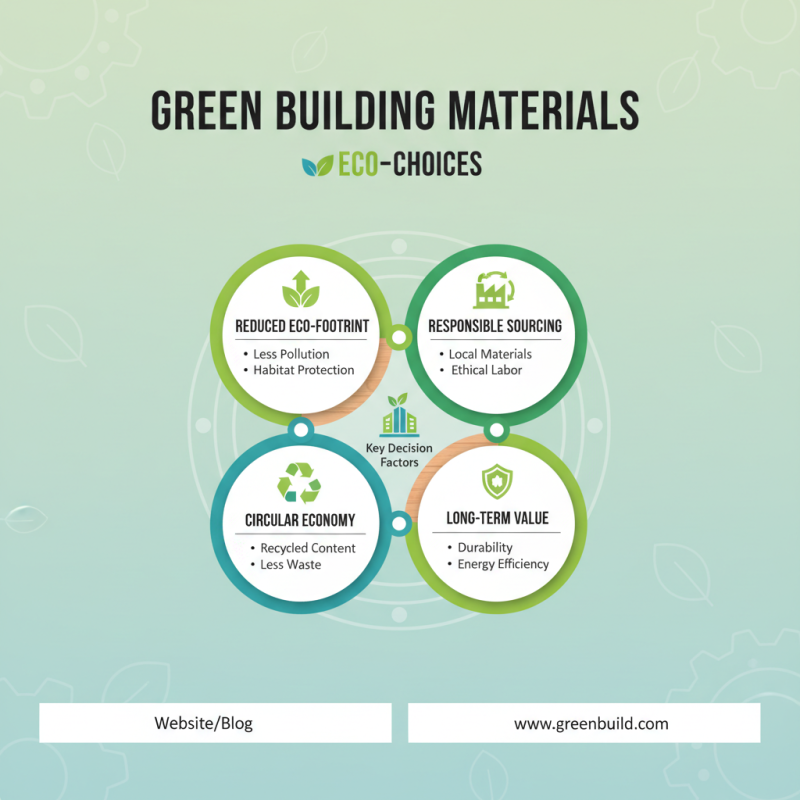
When selecting construction materials, sustainability and environmental impact should be at the forefront of decision-making. Environmentally responsible materials not only minimize the ecological footprint of a building but also contribute to its overall long-term performance. Factors such as sourcing, production processes, and life cycle analysis are crucial in assessing the sustainability of materials. For instance, materials that are locally sourced reduce transportation emissions, while those with a high recycled content can significantly decrease waste and resource consumption.

Additionally, it’s essential to consider how the materials will perform over time and their impact on indoor environmental quality. Opting for non-toxic, low-VOC (volatile organic compounds) materials can enhance air quality for occupants and reduce health risks. Integrating nature-based solutions, such as green roofs or walls made from sustainable materials, not only contributes to biodiversity but also helps manage stormwater, providing a natural approach to tackling urban challenges. By prioritizing sustainability and environmental impact in material selection, builders create structures that are not only resilient and efficient but also promote a healthier planet for future generations.

Find the Right Repair Product for Your Project

Need to find the most appropriate product for the needs of your project? We can help because we have over 70 years of experience servicing the industry with every kind of project, from Do-it-yourself projects to large skyscrapers. Package Pavement has the experience, the knowledge and the products to help every project succeed.

Quikrete Repair Products
Legend
Package Pavement has two convenient locations in Stormville, NY (Dutchess County) and Ravena, NY (Greene County) to serve the Northeastern Region with bagged concrete, blacktop, mortar, and repair products. This map gives a general idea of where we service and the product lines we offer.
Package Pavement Products
Quikrete Products
Spec Mix Products
map

Our Brands Websites