How to Choose the Best Industrial Flat Panel Computer?

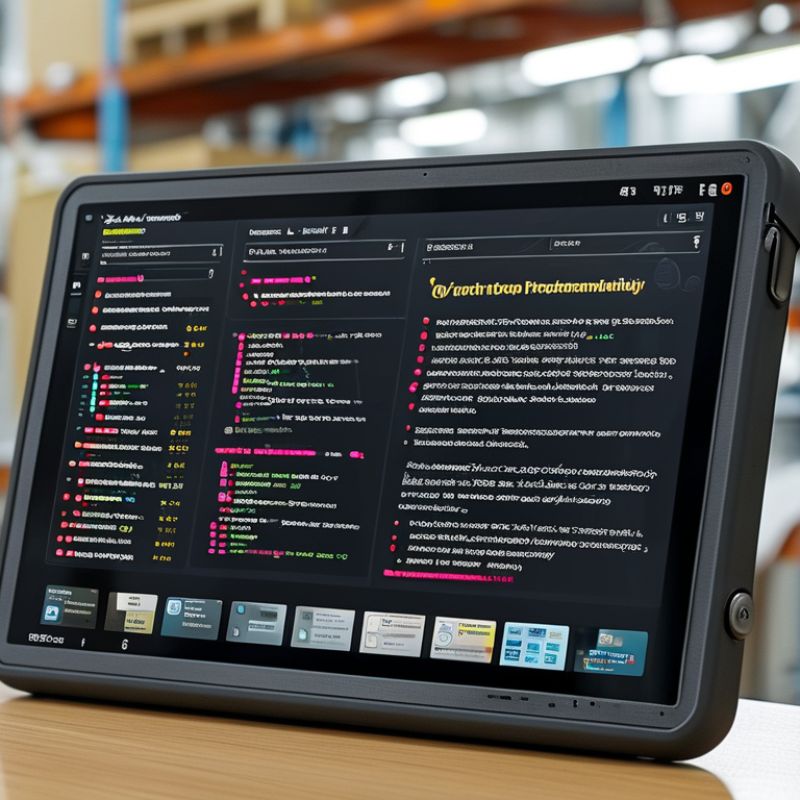
Choosing the best Industrial Flat Panel Computer is crucial for efficiency and performance. According to Dr. Emily Chen, a leading expert in industrial computing, "The right flat panel can transform operational workflow." This statement highlights the importance of selecting the appropriate tools for industrial settings.

Industrial Flat Panel Computers come in various sizes and specifications. Each choice can influence productivity and operational effectiveness. Consider factors like screen size, brightness, and durability. Different environments demand unique features. For instance, a factory floor may require a rugged design to withstand harsh conditions. Meanwhile, a cleanroom might prioritize sleekness and easy cleanliness.

It’s essential to assess your specific needs carefully. Many options can overwhelm buyers. Mistakes in selection can lead to poor performance. Reflecting on past decisions can help you make informed choices. Prioritizing quality and suitability ensures that the Industrial Flat Panel Computer integrates smoothly into your existing systems. Make informed decisions, and remember the technology you choose will impact daily operations significantly.

How to Choose the Best Industrial Flat Panel Computer?

Understanding the Key Specifications of Industrial Flat Panel Computers

Choosing the right industrial flat panel computer involves understanding key specifications. Firstly, consider the display technology. Options include LCD and OLED. Each has unique benefits and drawbacks. LCDs often provide greater brightness, while OLED displays offer better color contrast. Analyzing the intended use is crucial. Will it be in bright environments or dimly lit areas?

Next, focus on processing power. Check the CPU specifications. For demanding applications, a high-performance processor is necessary. Balance this with the system's energy consumption. A powerful processor may use more energy, which could be a concern for some industries.

Don't overlook durability and environmental ratings. The computer should withstand temperature extremes, vibrations, and dust. Look for ratings like IP (Ingress Protection) and NEMA (National Electrical Manufacturers Association). These details reflect the computer's reliability in harsh conditions. Lastly, consider the longevity and support for the chosen model. Choose one that offers accessible service and repair options.

Assessing the Performance Requirements for Specific Industrial Applications

When selecting an industrial flat panel computer, it’s crucial to consider the specific performance requirements of your application. Different industries demand various levels of processing power, display quality, and durability. For instance, manufacturing environments may require rugged designs capable of withstanding dust and moisture. In contrast, healthcare applications may focus on clear, vibrant displays for monitoring patient data.

Tips: Evaluate the operating temperature range of the device. Machines often operate in challenging environments. Ensure the computer can function reliably without overheating or freezing.

Another aspect is the processing power. Applications involving heavy data analysis will need robust CPUs. However, tasks like data entry may not require as much processing capability. Assess the software that will run on the device. It’s vital to match the hardware specifications to the software demands.

Tips: Consider the scalability of your choice. Technology evolves quickly. Ensure that your selected panel can adapt to future needs or upgrades.

Also, don’t overlook the importance of power consumption. Low power usage is desirable, but it shouldn't compromise performance. Balancing energy efficiency with capability can be a challenging task that requires careful consideration. Remember, sometimes it's necessary to reassess the requirements as projects develop.

Evaluating Durability and Environmental Resistance Standards

When selecting an industrial flat panel computer, durability and environmental resistance are crucial factors. Industrial settings often expose devices to harsh conditions. Temperature fluctuations, dust, and moisture can damage standard electronics. Therefore, evaluating protective features is essential.

Look for units that meet rigorous environmental standards. Certifications like IP ratings indicate how well a device withstands dust and water. An IP65 rating, for instance, means it's dust-tight and can handle low-pressure water jets. This level of protection is vital in factories or outdoor installations. Additionally, consider temperature tolerance. Models that operate in extreme heat or cold are more versatile.

Metal enclosures typically provide better durability than plastic. They can endure physical impact and reduce the risk of overheating. However, metal can conduct heat, which may require careful thermal management. Reflect on the specific environment where the computer will be used. Each scenario could demand different standards of protection. It's essential to balance robust features with the specific needs of your applications.

Comparing Cost-Effectiveness and ROI of Different Brands

When evaluating the cost-effectiveness and ROI of industrial flat panel computers, the focus should be on several key factors. Durability and performance are paramount. A robust unit can withstand harsh environments, reducing maintenance costs over time. Consider the total cost of ownership, not just the initial price. Often, a slightly higher investment upfront may yield better long-term savings.

Tips: Look at the warranty details. A longer warranty might indicate confidence in the product’s longevity. Check the specifications like processor speed and memory. These impact efficiency and speed during operations.

In some cases, brands may promise more than they deliver. Reliability comes from user reviews and third-party evaluations. Don’t hesitate to consult forums and expert analyses for insights. Sometimes, companies offer discounted products, but they may lack support services. A thorough evaluation of customer service options can also influence ROI positively.

Tips: Request demos when possible. Experience the product firsthand before committing. Compare user feedback across different platforms. Real user experiences can reveal potential issues.

Identifying the Latest Technological Advancements in Industrial Panel PCs

When selecting an industrial flat panel computer, understanding the latest technological advancements is crucial. The transition to solid-state drives (SSDs) is one development enhancing performance. SSDs offer faster data access, improving system responsiveness in demanding environments. Touchscreen technology has also evolved. Multitouch capabilities are increasingly common, allowing for intuitive user interaction. This feature boosts workflow efficiency in production settings.

Another notable trend is the rise of edge computing. Industrial panel PCs now process data locally, reducing latency. This advancement supports real-time decision-making, which is vital for automation tasks. Integration with IoT devices is becoming standard. It enables seamless communication across various machines, leading to smarter operations. However, while these features are beneficial, they can introduce complexity.

The increasing emphasis on ruggedness cannot be overlooked. New materials in panel construction improve durability while maintaining lightweight designs. This is essential for industries with harsh conditions, such as manufacturing and logistics. Still, not all designs are equally robust. Evaluating environmental ratings can help in making informed choices. Each advancement comes with its challenges and considerations. It's vital to weigh these factors in your selection process.

Find the Right Repair Product for Your Project

Need to find the most appropriate product for the needs of your project? We can help because we have over 70 years of experience servicing the industry with every kind of project, from Do-it-yourself projects to large skyscrapers. Package Pavement has the experience, the knowledge and the products to help every project succeed.

Quikrete Repair Products
Legend
Package Pavement has two convenient locations in Stormville, NY (Dutchess County) and Ravena, NY (Greene County) to serve the Northeastern Region with bagged concrete, blacktop, mortar, and repair products. This map gives a general idea of where we service and the product lines we offer.
Package Pavement Products
Quikrete Products
Spec Mix Products
map

Our Brands Websites