| Rotation and flow direction | Confirm that the pump is designed for the required reversible operation and that the drive arrangement supports the intended shaft rotation. | Operating in the wrong direction can interfere with lubrication or pressure-relief arrangements, depending on the pump design. | Provide room to inspect shaft rotation markings and safely access the drive coupling during service. | Check the manufacturer’s rotation instructions, porting diagram, and any limits on reversing under load. |
| Mounting position and support | Match the mounting flange, shaft alignment, and available space to the machine. Support the pump and connected pipework without imposing excessive loads on the housing. | Misalignment and vibration can accelerate wear on bearings, seals, and the drive connection. | Leave clearance for removing fasteners, disconnecting the coupling, and lifting the pump out of its mount. | Confirm mounting dimensions, shaft details, allowable loads, and any restrictions on mounting orientation. |
| Port layout and connections | Choose port positions and connection types that suit the existing circuit and allow direct, uncomplicated hose or pipe routing. | Inadequate inlet sizing, air leaks, or excessive restrictions can contribute to noise, poor filling, and accelerated wear. | Position connections so fittings can be reached with standard tools and lines can be disconnected without removing nearby equipment. | Verify port sizes, thread or flange standard, inlet conditions, fluid compatibility, and the circuit’s pressure requirements. |
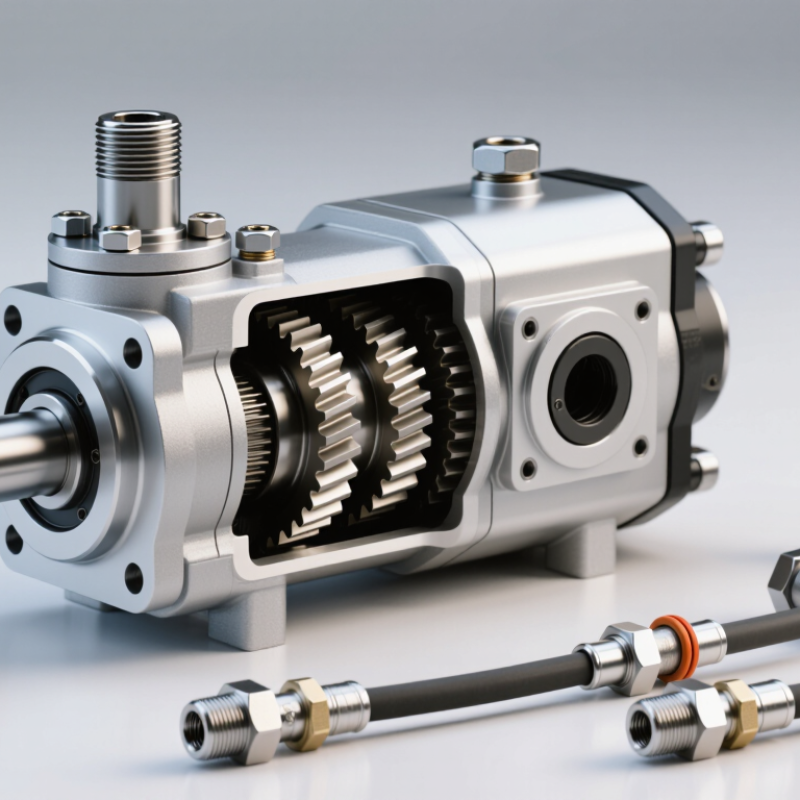
| Aluminum housing and operating environment | Check that the surrounding structure and mounting hardware are compatible with the pump’s housing and operating environment. | Aluminum helps reduce component weight, but suitability depends on pressure, fluid, temperature, contamination, and corrosion exposure. | Keep the housing visible enough for leak checks and routine inspection; avoid trapping it behind guards that are difficult to remove. | Review the pump’s rated operating limits and confirm fluid and environmental compatibility with its materials. |
| Pressure, speed, and duty cycle | Ensure the drive can supply the required speed and torque across the intended operating range. | Repeated operation near or beyond rated limits can shorten service life. Pressure spikes and frequent reversals should be considered. | Install pressure gauges or test points where technicians can safely check system performance. | Compare the pump’s published pressure, speed, displacement, temperature, and duty-cycle ratings with actual system conditions. |
| Filtration and fluid condition | Plan the inlet and return layout around the filtration system and follow the pump maker’s recommendations for fluid cleanliness. | Abrasive particles and unsuitable fluid can damage gear surfaces and other internal components. | Locate filters and sampling points where elements can be changed and fluid condition checked without dismantling the pump installation. | Confirm fluid type, viscosity range, filtration requirements, and any cleanliness guidance in the technical documentation. |
| Seal and coupling service | Allow for proper shaft alignment and use a coupling suited to the drive and operating conditions. | Excessive shaft load, misalignment, or incompatible fluid can contribute to seal leakage and premature wear. | Provide access to the shaft end and coupling so inspection or replacement does not require extensive machine disassembly. | Check shaft dimensions, seal material compatibility, coupling requirements, and the recommended service procedure. |
| Service documentation and spare parts | Record the pump configuration and installation details for future replacement or troubleshooting. | Using suitable parts and following the specified service procedure helps preserve performance and reliability. | Keep identification details and service information accessible to maintenance personnel. | Confirm availability of technical documentation, compatible replacement parts, and qualified service support. |