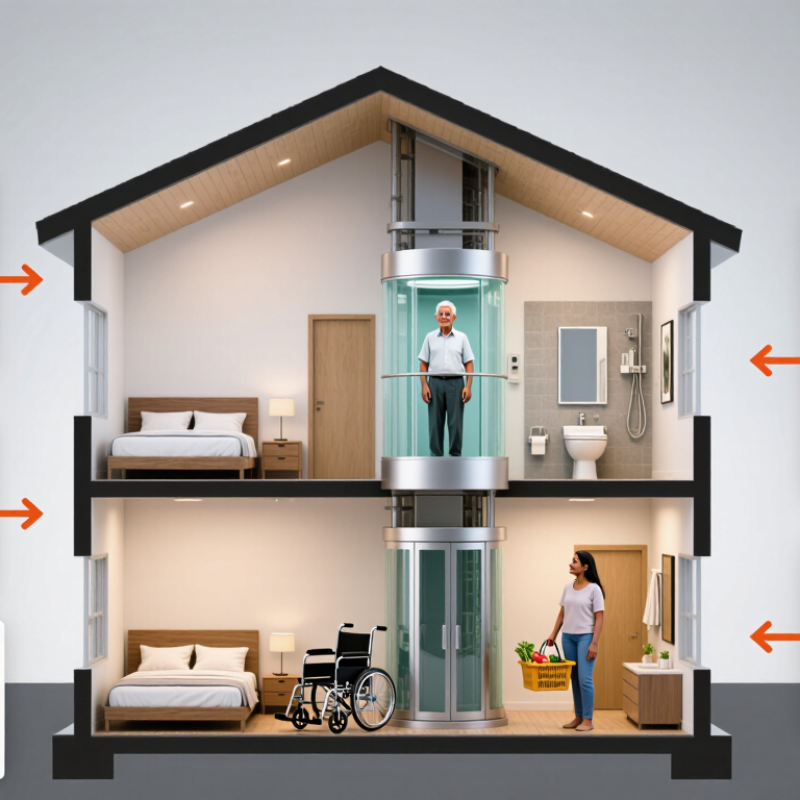
Before choosing a residential passenger lift, check local building rules with the relevant permit office and a qualified building professional. Requirements can affect shaft dimensions, headroom, pit depth, electrical supply, fire separation, and access routes. Existing homes may need a structural review, especially where a lift opening crosses floor joists. Ask early. Keep written notes on approvals and site limits; assumptions made during a showroom visit can prove costly.
Maintenance deserves equal attention. Ask what inspections and servicing the lift needs, how often they are recommended, and which tasks require trained technicians. Request a clear schedule, likely replacement-part intervals, and the process for a lift that stops between floors. Small details matter. A service plan should explain response hours, call-out charges, and whether commonly needed parts are stocked nearby. Check who arranges routine visits after installation.
Supplier support is easier to judge before signing. Ask who coordinates the survey, installation, commissioning, and later repairs; confirm whether one team remains accountable. Request technical drawings, operating instructions, warranty exclusions, and contact details for urgent assistance in writing. If answers are vague or timelines feel optimistic, compare them with the project schedule. A dependable supplier should explain constraints plainly, including noise, delivery access, and work needed to restore walls or flooring. Those conversations can feel tedious, but they often reveal what the quote leaves out.