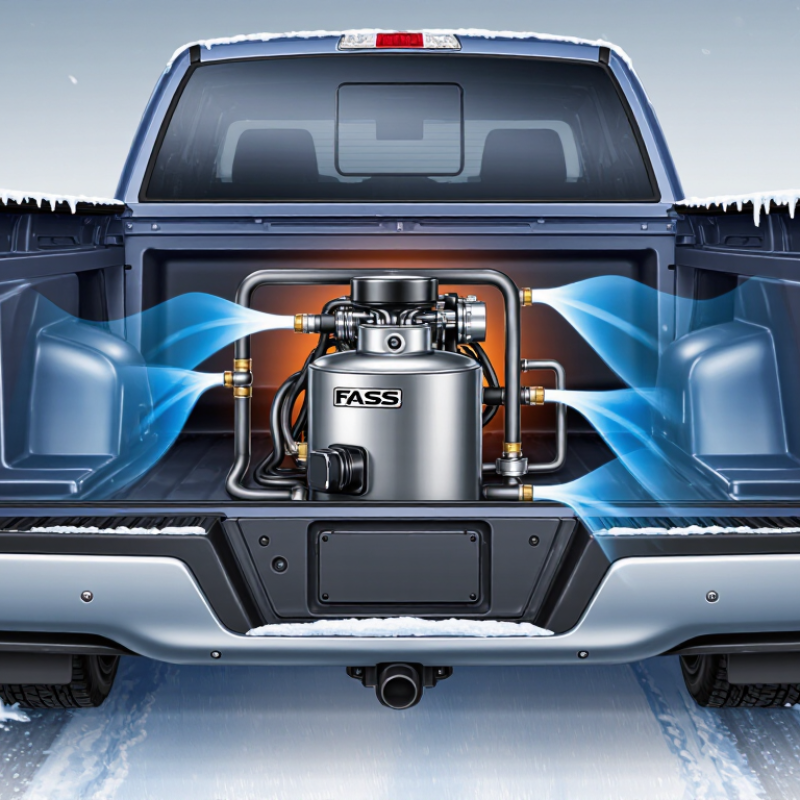
| Cold-weather purpose | A fuel heater warms diesel in a selected part of the fuel system to help reduce cold-weather fuel restriction. It complements, rather than replaces, seasonal fuel selection and proper vehicle maintenance. | Identify where cold-weather restriction occurs, such as at the filter or in an exposed fuel line. Follow the vehicle and heater manufacturers’ guidance for the expected climate and fuel. | Do not assume a heater can correct contaminated fuel, water in the system, a blocked filter, or fuel that is unsuitable for the conditions. |
| Heater type and location | Common designs include fuel-line, filter-mounted, and coolant-to-fuel heat exchangers. Each heats a different section of the system and has different installation requirements. | Confirm the proposed location, fuel-flow direction, available space, mounting method, and whether the design is intended for the vehicle’s fuel-system layout. | Keep components away from exhaust heat, moving parts, and areas vulnerable to road debris. Check for abrasion, loosened mounts, or fuel seepage during routine inspections. |
| Electrical compatibility | Electrical heaters must match the vehicle’s supply voltage and the heater’s specified current draw. Vehicle electrical systems and heater requirements vary, so there is no universal rating. | Verify system voltage, power demand, circuit protection, wire gauge, grounding, and any control or ignition requirements in the product and vehicle documentation. | Use the specified fuse and wiring arrangement. Inspect connections for corrosion, heat damage, loose terminals, and damaged insulation; disconnect power before electrical service. |
| Fuel-system fit | A heater must be suitable for the fuel, pressure conditions, line size, and components used in the particular engine installation. | Check hose or line dimensions, fitting type, filter arrangement, fuel compatibility, and any vehicle-specific restrictions before purchasing or fitting a unit. | Use fuel-rated components and installation methods specified for the application. After work, check every disturbed connection for leaks before operating the vehicle. |
| Installation planning | Correct orientation, secure mounting, clean connections, and protected routing help maintain reliable operation and reduce the risk of leaks or electrical faults. | Review the installation instructions, vehicle service information, access requirements, wiring route, clearance, and applicable local rules before beginning work. | Allow the engine and fuel system to cool, keep ignition sources away from fuel, and use a qualified technician if the installation involves unfamiliar fuel or electrical work. |
| Filter and fuel condition | A heater does not eliminate the need for a clean fuel filter, water management, or fuel appropriate to ambient temperatures. Filter service intervals remain vehicle-specific. | Follow the vehicle’s service schedule and inspect for symptoms of restriction. Drain water separators only as directed by the vehicle or filter manufacturer. | Replace filters at the specified interval and use the correct replacement type. Do not bypass a filter or operate with a suspected fuel leak. |
| Routine checks | Periodic visual checks can help identify wear, loose connections, damaged wiring, or leaks before they lead to a breakdown. | Inspect the heater body, mounting points, fuel connections, electrical terminals, protective sleeving, and nearby hoses during scheduled service. | Use the heater manufacturer’s test and service procedures. Do not open a pressurized fuel system or make repairs while components are hot or energized. |
| When to seek professional advice | Vehicle-specific fuel systems, electronic controls, warranty requirements, and local regulations can affect whether a particular heater is suitable. | Confirm compatibility with the vehicle documentation or a qualified diesel technician, especially for modified, high-pressure, or electronically controlled systems. | Stop using the system if fuel is leaking, wiring overheats, a fuse repeatedly fails, or the heater behaves abnormally; have the fault diagnosed before continued operation. |