
2026 How to Choose the Right Concrete Mix for Your Project?

In the world of construction, choosing the right concrete mix is crucial. Expert Michael Johnson, a renowned concrete specialist, says, “Selecting the right concrete mix can make or break your project.” The effectiveness of a concrete mix lies in its specific properties. Factors like strength, durability, and workability vary widely among mixes.

Many projects fail because the wrong mix is used. Homeowners often pick mixes based on appearances rather than performance. Understanding your project's requirements is essential. Each application demands a tailored approach, whether it's for a patio, driveway, or structural element.

Concrete mixes also come with unique characteristics. For instance, high-strength mixes are essential for heavy structures, while decorative mixes suit aesthetic purposes. Misunderstanding these needs can lead to costly mistakes. The right concrete mix is not just a choice; it requires thought and consideration. Reflect on your project's goals and make informed decisions.

2026 How to Choose the Right Concrete Mix for Your Project?

Understanding the Basics of Concrete Mixes

2026 How to Choose the Right Concrete Mix for Your Project?

When selecting a concrete mix, it's essential to understand the basics. Concrete consists of cement, water, aggregates, and sometimes additives. Each component plays a vital role in the final product's strength and durability. The choice of aggregates, whether gravel or sand, affects the mix's properties significantly. Knowing the required strength for your project is crucial.

Different projects require specific mixes. For instance, a sidewalk may need less strength compared to a foundation. You might choose a standard mix for general use. However, remember that not all mixes work perfectly. A common mistake is underestimating the water-to-cement ratio. Too much water can weaken the mix. Too little could lead to difficulties in application.

Texture is another important factor. Smooth finishes demand careful attention to the mix's workability. If your mix is too dry, it could result in poor bonding. Testing smaller batches can help determine the right consistency. Keep in mind that adjustments may be needed as you work. Concrete, like any material, can be unpredictable. Embracing these imperfections allows for better outcomes in future projects.

Identifying the Specific Requirements of Your Project

When choosing the right concrete mix, understanding your project's specific requirements is crucial. Consider the purpose of your construction. Do you need durability or flexibility? Each project has unique needs. Think about weather conditions. Is it for a cold or hot region? This affects the mix design significantly.

Explore the load-bearing requirements. Will it support heavy machinery or just foot traffic? The strength of concrete varies widely. You may need a high-strength mix for bridges and a standard mix for sidewalks. Also, consider the finish. Some projects require a smooth surface, while others may need a textured finish.

Reflect on any local regulations. Compliance can sometimes complicate the selection process. You might overlook essential details without careful planning. Pay attention to potential environmental impacts, too. Using eco-friendly materials can benefit both your project and the planet. Each decision shapes the final outcome, so take your time. Your mix choice can define the longevity and performance of your structure.

Factors to Consider When Choosing a Concrete Mix

Choosing the right concrete mix is essential for any construction project. Several factors influence this decision. One of the primary considerations is the specific strength required. The project's purpose will dictate how strong the mix needs to be. For instance, driveways may require a different mix than residential foundations.

Another factor is the environmental conditions at the site. If the project is in a region with extreme temperatures, specialized mixes may be necessary. Consider how rain or moisture will affect the curing process. Additionally, the aggregate type used can change performance characteristics. Using larger aggregates may provide strength, while smaller aggregates can enhance workability.

Workability is a critical aspect too. If the mix is too thick, it might be challenging to pour evenly. Conversely, overly fluid mixes can lead to segregation of materials. Testing different mixes on a small scale can provide valuable insight. It's okay to make adjustments after seeing how a mix performs in practice. Reflecting on these elements helps ensure the right choice is made.

2026 How to Choose the Right Concrete Mix for Your Project?

Exploring Different Types of Concrete Mixes Available

When tackling a concrete project, selecting the right mix is crucial. There are various types of concrete mixes available, each tailored for specific applications. For instance, standard concrete is suitable for sidewalks and driveways, while high-strength concrete is ideal for load-bearing structures. According to industry reports, using the appropriate mix can enhance durability by up to 60%.

For decorative purposes, consider using colored or stamped concrete. It adds aesthetic appeal and can increase property value. A recent survey found that 80% of homeowners prefer decorative concrete for outdoor spaces. Remember, the mix must also suit local climate conditions.

**Tip:** Always consult a professional for mix ratios; they can vary based on project needs. In some cases, improper ratios can lead to cracking and longevity issues.

Be aware of the water-to-cement ratio. A higher ratio might make the mix easier to pour but can weaken the final product. Adjustments are often necessary; don’t hesitate to test small batches first. Remember that even small choices can have significant impacts on your project's success.

2026 How to Choose the Right Concrete Mix for Your Project? - Exploring Different Types of Concrete Mixes Available

Concrete Mix Type Description Typical Use Strength (MPa) Ingredients
Standard Concrete Basic mix suitable for most applications. sidewalks, floors, and general construction 20-30 Cement, sand, gravel, water
High-Strength Concrete Concrete with enhanced durability and strength. High-rise buildings and structural components 30-80 Cement, silica fume, sand, gravel, water
Fiber-Reinforced Concrete Mix with fiber additives for improved tensile strength. Pavements, shotcrete, precast products 25-40 Cement, sand, gravel, fibers, water
Self-Consolidating Concrete Easily flows into molds without vibration. Complex structures and structures with reinforcements 20-45 Cement, sand, gravel, water, superplasticizers
Lightweight Concrete Concrete that uses lightweight aggregates. Building blocks, roofing, and floor systems 15-30 Cement, lightweight aggregates, water

Best Practices for Mixing and Applying Concrete

2026 How to Choose the Right Concrete Mix for Your Project?

When mixing concrete, precision matters. According to the American Concrete Institute, a well-mixed concrete has a consistent texture, which is critical for strength and durability. Achieving this requires careful measurement of water, cement, and aggregates. Over-watering can weaken the mix, reducing its lifespan. Aim for a water-to-cement ratio of 0.4 to 0.6 for optimal results.

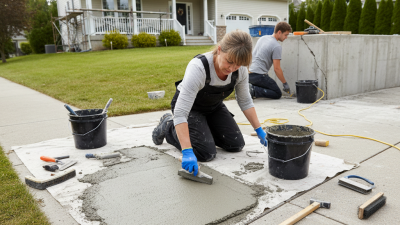
Application technique is just as important. The surface must be clean and damp before pouring. This not only promotes better bonding but also prevents drying too quickly. The ideal temperature for pouring concrete is between 50°F and 70°F. If it's too hot, you risk cracking. At cooler temperatures, additives can enhance curing but can also complicate the mixing process. Remember, each project has unique conditions that may require adjustments.

Involving professionals can bring a wealth of experience. Yet, miscalculations can still happen. Surveys show that nearly 75% of concrete failures stem from poor workmanship. Emphasizing quality in each step can prevent costly repairs later on. Each project should reassess its mix needs to ensure longevity and aesthetic appeal.

Find the Right Repair Product for Your Project

Need to find the most appropriate product for the needs of your project? We can help because we have over 70 years of experience servicing the industry with every kind of project, from Do-it-yourself projects to large skyscrapers. Package Pavement has the experience, the knowledge and the products to help every project succeed.

Quikrete Repair Products
Legend
Package Pavement has two convenient locations in Stormville, NY (Dutchess County) and Ravena, NY (Greene County) to serve the Northeastern Region with bagged concrete, blacktop, mortar, and repair products. This map gives a general idea of where we service and the product lines we offer.
Package Pavement Products
Quikrete Products
Spec Mix Products
map

Our Brands Websites