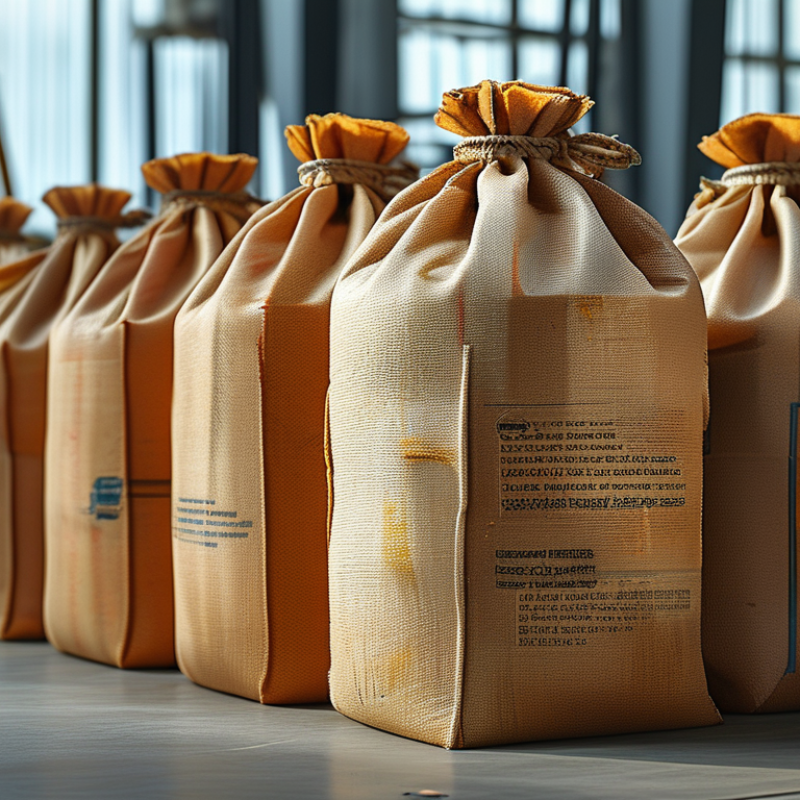
Why Choose Special Structure FIBC Bags for Your Business Needs?

Businesses today face unique challenges when it comes to packaging, particularly in bulk material handling. Special-Structure FIBC Bags offer tailored solutions to meet these challenges effectively. According to a recent market report, the FIBC market is projected to grow at a CAGR of 5.2% from 2023 to 2030. This growth highlights the increasing demand for innovative packaging solutions.

Special-Structure FIBC Bags provide enhanced strength and stability, making them ideal for various industries, including agriculture and construction. Unlike standard bags, these specialized options are designed to withstand specific stresses. They can accommodate uneven loads, which improves transport safety and efficiency. In fact, improper packaging can lead to a 12% increase in operational costs according to industry studies.

Choosing the right packaging is crucial for minimizing risks. Special-Structure FIBC Bags can significantly reduce breakage and leakage risks, ensuring that your products arrive in optimal condition. However, it’s important to recognize that not all suppliers offer the same quality. Businesses must conduct thorough research to select reliable manufacturers. This careful selection process can ultimately support long-term cost efficiency and safety in operations.

Why Choose Special Structure FIBC Bags for Your Business Needs?

Advantages of Special Structure FIBC Bags in Various Industries

Special structure FIBC bags have become essential in various industries due to their unique features. These bags are designed to withstand high stress and loads, making them ideal for heavy-duty applications. The reinforced seams and specialized designs allow them to carry more weight safely. This is especially beneficial in construction and agriculture sectors, where strong and reliable packaging is crucial.

Another advantage lies in their versatility. Special structure FIBC bags can be customized to meet specific needs. Different shapes and sizes make them suitable for a wide range of materials, from granules to powders. Many industries appreciate this adaptability. However, not every operation may require such specialized bags. Businesses need to assess whether the increased strength justifies the cost.

Environmentally, these bags often provide better sustainability. Their robust structure extends their lifespan, reducing waste. But, there's a trade-off. They might not be fully recyclable depending on the materials used. Businesses must consider this aspect when opting for special structure FIBC bags. While they offer many benefits, it's essential to reflect on the overall impact on the environment and cost-effectiveness.

Key Features of Special Structure FIBC Bags for Enhanced Performance

Special structure FIBC bags offer unique benefits for various industries. Their design enhances stability and protection during transport. Built with reinforced corners, these bags can handle heavier loads. They reduce the risk of spillage and damage, ensuring the safety of your products.

When selecting these bags, consider their customizable features. Tailoring dimensions and fabric types can improve efficiency. This ensures they meet specific business requirements. Different applications benefit from varied designs, such as open-top or spout configurations. This versatility caters to diverse needs.

**Tip:** Always test the bags before large-scale use. This helps assess their performance under real conditions. Additionally, review supplier options carefully. Quality should not be compromised for cost.

Not every special structure FIBC bag excels in all scenarios. Some may not be suitable for regular transport by road due to weight limits. Frequent feedback and testing are necessary to ensure ongoing reliability.

Why Choose Special Structure FIBC Bags for Your Business Needs? - Key Features of Special Structure FIBC Bags for Enhanced Performance

Feature Description Benefits
High Load Capacity Designed to hold large quantities of bulk materials Reduces the need for multiple bags, lowering costs
UV Protection Specially treated to resist UV rays Prevents material degradation and extends storage time
Moisture Resistance Constructed to limit moisture absorption Protects contents from spoilage, ideal for food products
Easy Handling Equipped with lift straps and spouts Enhances efficiency during loading and unloading
Customizable Designs Available in various sizes and colors Allows branding and specific application needs
Cost-Effectiveness Durable and reusable with long life span Lower transportation and disposal costs

Comparative Analysis: Special Structure FIBC Bags vs. Standard FIBC Bags

When evaluating special structure FIBC bags versus standard FIBC bags, the focus shifts to performance and application. Special structure FIBC bags often feature unique designs that enhance durability and load-bearing capacity. These modifications can prevent spills and reduce package loss during transportation. The added structure provides better containment for materials, like powders or granules, which is critical in many industries.

Standard FIBC bags serve general purposes but may lack the specific reinforcements needed for heavy-duty applications. Their generic design can lead to failures under stress or during handling, resulting in downtime. While they are often more cost-effective initially, the long-term costs can add up due to damaged goods or replacements. Businesses should consider these factors carefully to avoid future complications.

Moreover, selecting the right bag type demands a nuanced understanding of the materials being stored. Some users may find that a special structure bag does not fit every application. The investment might seem high upfront. However, reliability and efficiency often lead to increased productivity. Being mindful of these details is essential in making informed choices that align with operational needs.

Common Applications and Use Cases for Special Structure FIBC Bags

Special Structure FIBC bags, often known for their versatility, find widespread use across various industries. For construction, these bags provide safe and efficient transportation of heavy materials. According to a report by the Flexible Intermediate Bulk Container Association, the global FIBC market is expected to reach $6.9 billion by 2025, driven by the construction sector's demands. In agriculture, these bags are used for storing grains and feed, ensuring optimal hygiene and protection against pests.

These bags excel in the food and chemical sectors as well. Their special structures, including varying sizes and shapes, cater to specific storage needs. They are engineered to resist moisture and contain tough materials. For instance, a recent study highlighted that FIBC bags with UV protection are essential for outdoor storage, enhancing durability by up to 15%. Such details can significantly influence operational efficiency.

Tip: When selecting FIBC bags, consider weight limits. Overloading can damage bags and lead to safety risks. Ensure compliance with industry standards for maximum reliability. Additionally, double-check certifications to avoid poor-quality materials; doing so enhances your operation's integrity and effectiveness.

Factors to Consider When Selecting Special Structure FIBC Bags for Your Needs

When selecting special structure FIBC (Flexible Intermediate Bulk Container) bags, several factors deserve attention. Firstly, the bag's design and structure can significantly influence its performance. According to industry reports, specially designed FIBC bags can reduce product loss by up to 20% due to better load stability. This is crucial for businesses that handle fine powders or liquids.

Another important aspect is the material used in manufacturing. High-density polyethylene (HDPE) is commonly preferred for its strength and durability. Industry data suggests that HDPE bags exhibit less than 5% degradation under standard storage conditions, making them a reliable choice for long-term storage. However, businesses should consider their specific product requirements when selecting materials, as not all types may meet regulatory standards.

Additionally, the dimensions and capacity of the bags must align with your operational needs. Bag sizes ranging from 500 kg to 2000 kg are typical, but not every operation requires the same capacity. Overestimating your needs might lead to increased costs and handling difficulties. Moreover, attention to safety standards is essential. Many industries have unique regulations that dictate the type of FIBC bags that can be used. Compliance will not only protect your products but also your reputation in the market.

Find the Right Repair Product for Your Project

Need to find the most appropriate product for the needs of your project? We can help because we have over 70 years of experience servicing the industry with every kind of project, from Do-it-yourself projects to large skyscrapers. Package Pavement has the experience, the knowledge and the products to help every project succeed.
Quikrete Repair Products
Legend
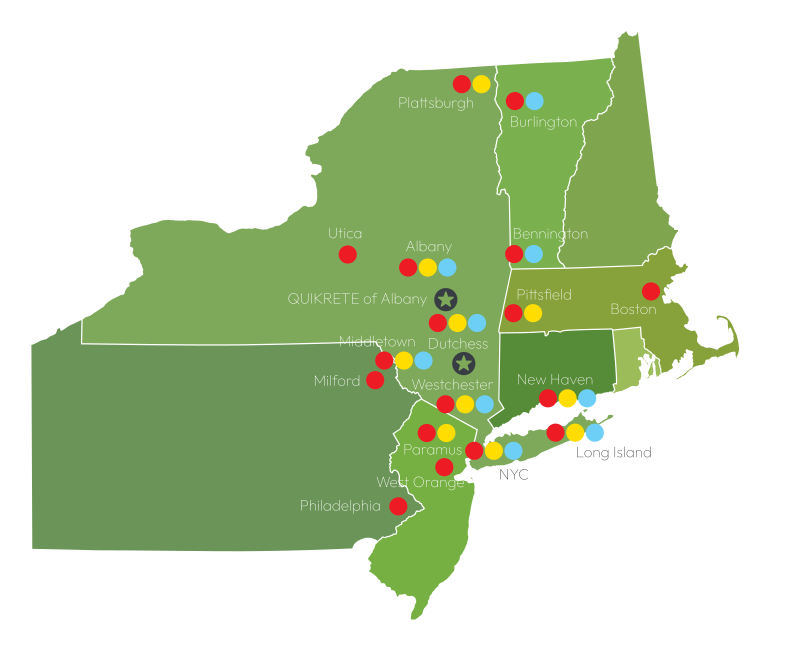
Package Pavement has two convenient locations in Stormville, NY (Dutchess County) and Ravena, NY (Greene County) to serve the Northeastern Region with bagged concrete, blacktop, mortar, and repair products. This map gives a general idea of where we service and the product lines we offer.
Package Pavement Products
Quikrete Products
Spec Mix Products
map

Our Brands Websites