


How to Choose the Best Cement Mix for Your Project?

Choosing the right cement mix for your project can seem daunting. Different projects have unique requirements. Factors like strength, durability, and setting time must be considered. Each mix serves a specific purpose.

For example, a standard mix may suffice for a small repair. However, larger structures require a specialized cement mix, often blending additives for enhanced performance. The choice you make affects everything from longevity to safety.

It's crucial to consult professionals when unsure. Mistakes can lead to costly repairs or structural failures. By understanding the specifics of cement mixes, you equip yourself for better decision-making. Balancing performance with cost will pay off in the long run.

How to Choose the Best Cement Mix for Your Project?

Understanding Different Types of Cement Mixes Available for Projects

Choosing the right cement mix is crucial for any construction project. Different types of cement mixes serve distinct purposes. Common options include standard concrete, mortar mix, and grout. Standard concrete is ideal for foundations and driveways. It's strong and durable, making it a go-to choice for structural projects.

Mortar mix is another significant option. It's perfect for bricklaying and tile work. This mix provides excellent bonding properties. However, it may not be suitable for heavy loads. Grout, on the other hand, fills gaps and spaces. It's commonly used in tile installations. Each mix has unique qualities that can impact your project’s success.

Consider the environment where the mix will be used. Some mixes perform better in extreme temperatures. Others may need additives for enhanced performance. Reflecting on these factors ensures that your choice aligns with specific project needs. The goal is to achieve longevity and stability in your constructions. Yet, even experienced builders can err in mix selection. Prior research and consultation can mitigate potential issues.

Evaluating Project Requirements to Select the Right Cement Mix

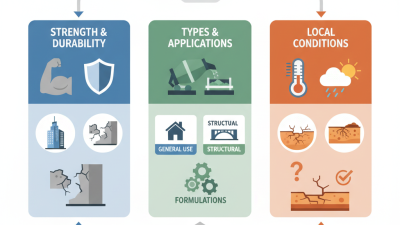
When selecting the right cement mix for a project, it's essential to thoroughly evaluate project requirements. Begin by considering the type of structure you’re building. Different applications, like driveways or foundations, have unique needs. For instance, a high-strength mix is ideal for heavy loads, while a standard mix may suffice for decorative concrete.

Next, assess environmental conditions. Factors like temperature and humidity can impact curing time and overall performance. In colder areas, you might need a mix designed to resist freezing. Additionally, consider exposure to elements. If the structure will face moisture or chemicals, a waterproof mix may be necessary.

Cost is another key factor. While high-quality mixes may seem pricey, they can save you money by reducing the need for repairs. Reflect on the long-term benefits versus initial costs. Each project is unique; understanding these nuances helps in making informed decisions. Investing time in this evaluation is crucial for a successful outcome.

Key Factors to Consider When Choosing a Cement Mix

Choosing the right cement mix is crucial for any construction project. One key factor to consider is the intended use of the mix. Different projects—such as driveways, sidewalks, or structural foundations—require different compositions. For instance, a mix designed for high-strength applications may not perform well in decorative settings.

Another important aspect is the environmental conditions. If you are working in a place with extreme weather, this will affect your choice. Some mixes offer better resistance to freeze-thaw cycles, while others may be more suitable for hot climates. Testing the local soil and weather conditions is advisable to ensure proper adhesion and durability.

It's also essential to think about the long-term performance of the mix. When exposed to moisture, certain mixes might deteriorate faster than others. Mixing ratios and additives can significantly influence longevity. Ensure you've consulted reliable sources or experts to guide your selection. Keep in mind that what seems ideal at first might require reevaluation as the project progresses.

Comparison of Cement Mix Types for Various Projects

Mixing Ratios and Techniques for Optimal Results

Choosing the right mixing ratio is crucial for your cement project. Different tasks require different blends. For general purpose, a 1:2:3 ratio of cement, sand, and gravel works well. This provides strength and durability. However, creating a perfect mix takes practice and attention.

When mixing, ensure you add water gradually. Too much water can weaken the mix, while too little can make it difficult to work with. Aim for a dough-like consistency. Remember, environmental factors affect the curing process. Humidity, temperature, and even the time of day can change the outcome.

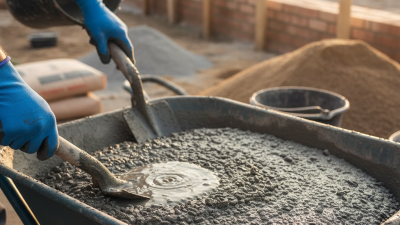
Don't ignore the importance of proper mixing techniques. Using a mixer or mixing by hand requires different approaches. With a mixer, ensure you avoid overmixing, which can lead to air bubbles. When mixing by hand, use a trowel or shovel efficiently. Pay attention to achieving a uniform blend. Experiment with different ratios if necessary, and adjust based on your specific needs. Refinement comes with experience.

Common Mistakes to Avoid When Selecting Cement Mix

When selecting a cement mix, it's crucial to avoid common pitfalls. One frequent mistake is ignoring project requirements. Different projects demand different strengths and finishing characteristics. For instance, a driveway needs a more robust mixture than a garden path. Neglecting to read the specifications can lead to using the wrong mix, resulting in cracks or surface wear.

Another mistake is underestimating environmental factors. Weather conditions impact curing times and the overall effectiveness of the cement. Hot or cold temperatures can alter how the mix sets. Additionally, if you don't factor in moisture content in the ground, the mix may not bond properly. This oversight can create lasting issues, so it's essential to consider these elements thoroughly.

It's also common for DIY enthusiasts to over-rely on online calculators. While these can provide helpful estimates, they may not account for unique project nuances. Consult with professionals for tailored advice. They offer insights based on years of experience. Ensuring your cement mix fits your specific needs requires careful consideration. Mistakes can jeopardize your project’s integrity. Enhancing knowledge in selecting cement mix will lead to more successful outcomes.

How to Choose the Best Cement Mix for Your Project? - Common Mistakes to Avoid When Selecting Cement Mix

Cement Mix Type Common Uses Mistakes to Avoid
Standard Portland Cement Concrete for foundations, sidewalks, and driveways Not considering local weather conditions
Fast-Setting Cement Quick repairs, setting fence posts Rushing the mixing and curing process
Ready-Mix Concrete Large scale construction, pavements Selecting a mix without site assessment
Reinforced Cement Walls, beams, and other structural components Ignoring required tensile strength
High-Strength Cement High load-bearing structures Overlooking the cost implications
Find the Right Repair Product for Your Project

Need to find the most appropriate product for the needs of your project? We can help because we have over 70 years of experience servicing the industry with every kind of project, from Do-it-yourself projects to large skyscrapers. Package Pavement has the experience, the knowledge and the products to help every project succeed.

Quikrete Repair Products
Legend
Package Pavement has two convenient locations in Stormville, NY (Dutchess County) and Ravena, NY (Greene County) to serve the Northeastern Region with bagged concrete, blacktop, mortar, and repair products. This map gives a general idea of where we service and the product lines we offer.
Package Pavement Products
Quikrete Products
Spec Mix Products
map

Our Brands Websites