China Best Mobir Air Thermal Imaging Camera Supplier?
Thermal imaging has moved well beyond specialist inspection teams. Electricians use it to locate warm connections, while facility managers scan motors, panels, and building envelopes for temperature differences. MarketsandMarkets estimated the global thermal imaging market at USD 4.3 billion in 2023 and projected USD 6.7 billion by 2028, a 9.3% compound annual growth rate. This forecast signals rising demand, but it does not verify any individual brand or supplier. That distinction matters.
For buyers comparing a Mobir Air Thermal Imaging Camera, the practical question is not simply which supplier offers the lowest price. Check the detector resolution, thermal sensitivity, lens options, calibration documentation, software compatibility, and warranty terms. Ask for sample images that show a real inspection scene, not only a polished product image. A clear quotation should also identify accessories, delivery estimates, and after-sales support. Small details count.
A supplier’s product claims deserve independent review. Confirm specifications against the model datasheet, and request written answers when a listing is vague. Market reports describe broad industry trends; they cannot establish camera performance or service quality. A demo may reveal handling issues that a brochure misses. That is easy to overlook. This guide examines how to assess China-based suppliers, compare technical evidence, and decide whether a Mobir Air Thermal Imaging Camera fits the inspection task. The right choice depends on the work, not a headline.
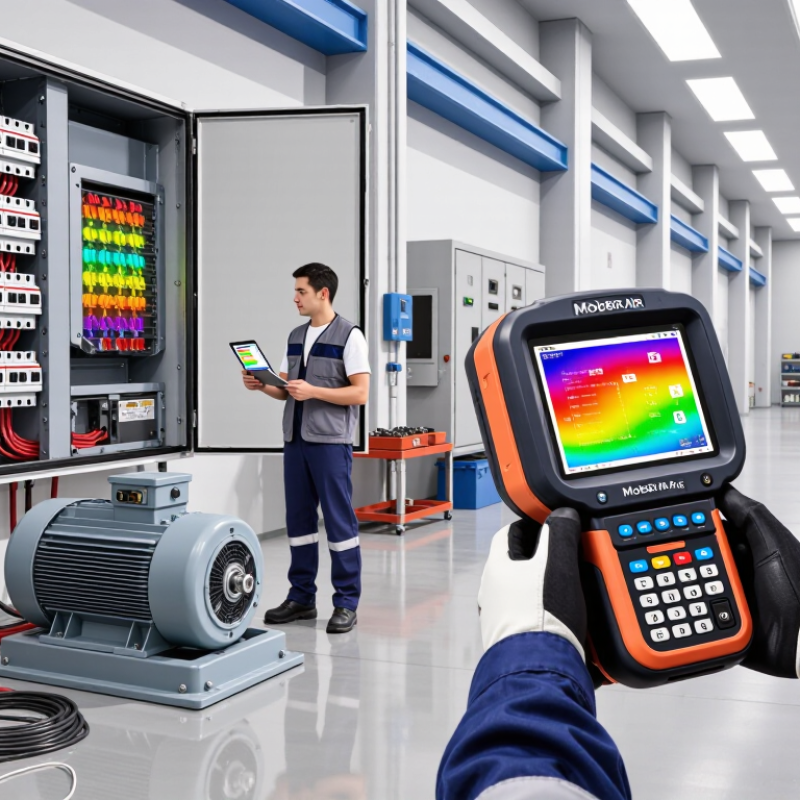
What Is a Mobir Air Thermal Imaging Camera?
A mobile thermal imaging camera is a compact infrared sensor that connects to a phone or tablet. It detects infrared energy from surfaces and converts temperature differences into a colored image. A warm electrical connection may appear bright against a cooler panel. The camera does not see through walls, and it does not directly measure air temperature. It shows surface patterns that help users investigate possible heat loss, overheating, or moisture-related concerns.
The International Energy Agency’s 2023 Buildings report estimates that buildings account for about 30% of global final energy use. Thermal scans can help locate areas for closer inspection, but they do not diagnose a problem on their own. Readings depend on surface emissivity, reflections, distance, and focus. Shiny metal can be misleading. Even experienced users should compare thermal images with visible details and, when needed, contact a qualified technician.
Tips: Scan from a steady position, keep distance consistent, and record the room conditions. Check the visible-light image before interpreting a hot or cold spot. A camera may reveal a useful clue, not the full cause. That distinction is easy to overlook.
What Does a MobIR Air Thermal Imaging Camera Detect?
Thermal imaging cameras detect infrared radiation rather than visible light. This chart shows approximate wavelength ranges for common electromagnetic bands; many thermal cameras operate in the long-wave infrared (LWIR) range. Actual device specifications vary.
How Do Its Core Features and Applications Compare?
When comparing thermal imaging cameras, look beyond the advertised temperature range. Detector resolution affects how clearly small heat patterns appear, while thermal sensitivity helps reveal subtle differences across a surface. A higher resolution can make inspection easier, but it may also increase cost and file size. Not every task needs it.
Lens options, focus control, refresh rate, and housing durability also shape practical performance. Building maintenance teams may value a wide field of view for scanning walls and electrical panels. Field inspectors often need a rugged body, simple controls, and reliable image storage. For close equipment checks, manual focus can provide useful detail. A broad specification sheet does not guarantee better results.
Tips: Compare cameras using the same target distance and emissivity settings. Check whether images include temperature data, not just color palettes. Keep a note of ambient conditions.
A useful comparison matches features to the actual inspection routine. For example, a compact unit may suit quick checks of warm bearings, while a higher-detail camera can help locate uneven insulation around a window frame. However, thermal images show surface temperatures, not hidden faults directly. Reflections, airflow, and surface finish can mislead readings. This part is easy to underestimate. Calibration and careful interpretation matter, and even experienced users should verify unusual readings with another method.
Which Criteria Define a Reliable Chinese Supplier?
A reliable Chinese supplier of thermal imaging cameras should explain performance clearly, not rely on impressive claims. Ask for the detector resolution, thermal sensitivity, measurement range, and lens options in writing. These details should match your inspection tasks, whether checking electrical cabinets or monitoring warm machinery. Request sample images and a demonstration using a target with known temperatures. Clear results matter.
Tips: Compare the same test conditions. Ask how emissivity, distance, and ambient temperature affect readings. Small details can change a measurement.
Check quality controls beyond a product brochure. A dependable supplier can describe incoming component checks, production testing, and final inspection records. Ask whether calibration documents are available and what they cover. Confirm warranty terms, repair procedures, spare-part availability, and response times before placing an order. If possible, evaluate a sample unit during a realistic shift, including startup, image capture, and data export. No checklist catches everything; supplier explanations may sound polished, so verify important claims with documents and repeatable tests. A few answers may remain uncertain. Note them, and decide whether the risk fits your application.
How Can Buyers Verify Supplier Quality and Compliance?
Buyers evaluating a thermal imaging camera supplier should check evidence, not rely on sales claims. Request a calibration certificate that identifies the camera, test date, measurement range, and calibration method. Confirm the certificate can be traced to a qualified laboratory. Ask for detector specifications, sample inspection records, and clear warranty terms. Small details matter. A missing serial number can make a document difficult to verify.
Check whether the supplier’s quality system and product documents match your destination market and intended use. Request relevant conformity declarations and test reports, then confirm their dates, scope, and issuing organization. For cameras used outdoors, ask for environmental test results covering temperature, moisture, and vibration. If possible, inspect a production sample and compare its menu, image quality, and stated specifications with the documents. A polished certificate is not proof by itself. Even careful buyers can overlook mismatched paperwork, so record questions and answers before placing an order. During a factory review, note how staff handle rejected units and calibration records. The process may look untidy, but unanswered questions deserve follow-up.
How Should Buyers Compare Quotes and Choose a Supplier?
When comparing quotes for an air thermal imaging camera, match the specifications before comparing prices. Check temperature range, thermal sensitivity, detector resolution, lens options, and operating temperature. A low price may exclude a lens or software you need. Details matter.
Ask each supplier to list what the quote includes: camera, accessories, training, shipping, warranty, and after-sales support. Request sample images or a live demonstration using a scene similar to your work. For example, compare how clearly the camera shows a warm pipe against a cooler wall. Confirm how calibration is handled and whether service records are available. These checks make claims easier to evaluate.
Look beyond the headline price. Compare delivery dates, payment terms, spare-part availability, and response times for technical questions. A supplier that answers specific questions clearly is easier to assess than one offering vague assurances. Still, a spreadsheet can hide differences in service quality, and a demonstration may not reflect every field condition. That takes judgment. Keep written records of agreed specifications and test the delivered unit against them before routine use.
