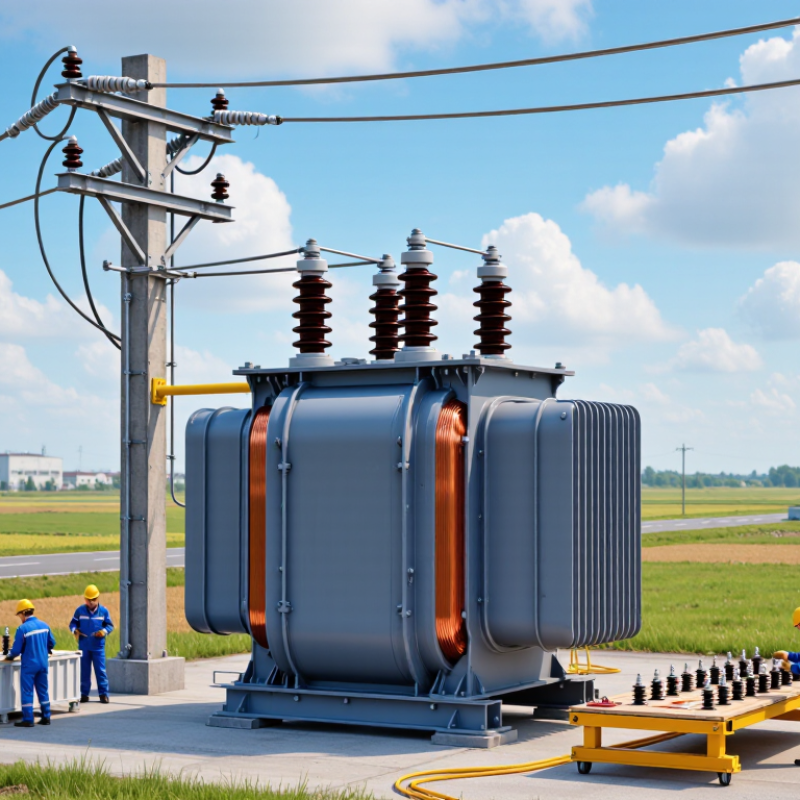
A single-pole transformer is a compact distribution unit mounted on one utility pole. It usually lowers medium-voltage electricity to usable low voltage for nearby homes, farms, workshops, or small commercial loads. Inside, copper or aluminum windings sit around a magnetic core. Alternating current creates a changing magnetic field. That field transfers energy between windings without a direct electrical connection. Simple, but not effortless. Heat, insulation aging, and unbalanced loads can reduce service life.
In field inspections, technicians often check oil level, bushings, grounding, and signs of leakage. They also listen for unusual humming and measure voltage under load. A properly selected unit matches system voltage, frequency, capacity, and expected demand. A 25 kVA transformer may suit a small rural connection, while larger workshops need more capacity or several units. Local weather matters too. Coastal salt, dust, lightning, and freezing temperatures require suitable protection and maintenance. Installation should follow applicable electrical codes and involve qualified personnel.
Single-pole transformers are common because they need limited ground space and serve scattered customers economically. When sourcing from China, compare capacity, insulation, materials, testing, transport, and installation requirements. The lowest quotation is not always the safest purchase. Ask for routine test records, efficiency data, warranty terms, and clear technical drawings. Supplier reliability matters. I would question vague delivery promises, because delays can hold up an entire connection project. Some specifications look complete until site conditions expose a mismatch. That deserves attention before ordering.