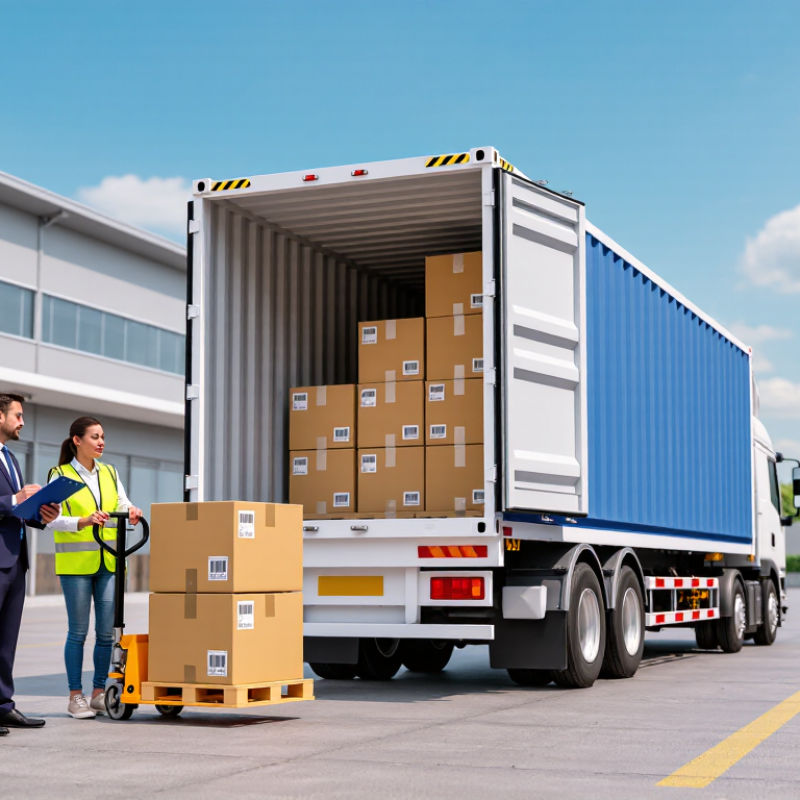
| Meaning of DDP | Under the DDP rule in Incoterms® 2020, the seller arranges and pays for delivery to the named destination, including export and import formalities, duties, and applicable import taxes. The buyer generally receives the goods ready for unloading. | Make sure the contract names the exact destination, such as a full street address or clearly specified terminal—not just “Canada.” |
| Importer of record | DDP makes the seller responsible for import clearance, but it does not by itself identify which legal entity will be shown as the importer in Canadian customs records. | Get written confirmation of the importer of record and confirm that the arrangement complies with Canadian customs requirements. Do not assume the buyer will have no customs-related responsibilities. |
| Canadian business and customs accounts | Commercial importers generally need a Canada Revenue Agency Business Number with an import-export (RM) account. Non-resident businesses may also need to establish the appropriate Canadian registration and account arrangements. | Ask who holds the required account and who will submit the import declaration. For account and registration details, check current guidance from the Canada Revenue Agency and the Canada Border Services Agency (CBSA). |
| CARM and payment security | CBSA’s Assessment and Revenue Management (CARM) system is the system of record for commercial duties and taxes. Importers using Release Prior to Payment may need to meet CBSA’s current financial-security requirements. | Confirm who is registered in CARM, how duties and taxes will be paid, and whether any required financial security is in place. Check current CBSA rules, as requirements can change. |
| Customs value and tariff classification | Canadian duties depend on factors including the goods’ tariff classification, customs value, and country of origin. The declared customs value is not necessarily the same as the shipment’s freight-inclusive invoice total. | Review the product description, HS classification, valuation method, currency, and supporting commercial documents. Ask how the seller will handle classification or valuation adjustments. |
| Country of origin and trade agreements | Origin can affect the applicable tariff treatment. Preferential duty rates under a trade agreement generally require the goods to meet the agreement’s rules of origin and appropriate supporting evidence. | Confirm the declared origin and ask who will provide or retain any required origin records. Do not assume that the shipping country is the country of origin. |
| GST, HST, and other taxes | Import GST generally applies to taxable commercial imports; the rate and any additional provincial sales tax or harmonized tax implications depend on the goods and circumstances. Customs duties and sales taxes are separate charges. | Request a clear breakdown of duties, import taxes, brokerage, and delivery charges. Confirm whether the buyer can claim an input tax credit or other tax recovery; eligibility depends on the buyer’s status and documentation. |
| Permits and regulated goods | Some goods—including certain food, plants, animal products, controlled products, and other regulated items—may require permits, certificates, inspections, or additional documentation before release. | Check the requirements for the specific product, origin, and intended use before shipment. Confirm who obtains permits and what happens if the goods are held or refused. |
| Broker and service fees | DDP assigns specified delivery and import costs to the seller under the agreed term, but the exact services and any additional charges depend on the sales contract and transport arrangements. | Ask whether customs brokerage, disbursement, storage, inspection, remote-area, and redelivery charges are included, and who pays unexpected charges. |
| Named place and unloading | The seller bears the costs and risks of bringing the goods to the agreed destination. Under DDP, delivery is generally completed when the goods are placed at the buyer’s disposal on the arriving vehicle, ready for unloading. | Specify whether the delivery point is a warehouse, loading dock, residence, or terminal. Confirm unloading equipment, appointment requirements, and any site-access restrictions. |
| Risk and transport insurance | Under DDP, the seller bears delivery risk up to the agreed destination. DDP does not, by itself, require the seller to purchase cargo insurance. | Ask whether insurance is included, what risks and value it covers, and who will handle a claim for loss or damage in transit. |
| Proof of delivery and records | Customs declarations and supporting documents can include the commercial invoice, transport document, packing details, and permits or origin evidence where applicable. | Agree who will provide copies of the customs entry and proof of delivery, and retain records needed for accounting, tax, and customs compliance. |
| Delays, returns, and refused shipments | Customs examinations, missing documents, unpaid charges, or regulatory issues can delay release. DDP does not automatically settle the cost or process for returns, destruction, or rejected goods. | Set out who handles customs holds, storage, return freight, and duties or taxes on returned goods. Confirm the process before the shipment leaves the origin country. |