10 Best Zero Leakage Butterfly Valves for Global Buyers
Choosing the right Zero Leakage Butterfly Valve is more complex than comparing catalog prices. Global buyers must examine sealing performance, pressure ratings, materials, certification, and service support together. A valve that performs well in clean water may fail in abrasive slurry, steam, or corrosive chemicals. Application details matter.
This guide introduces 10 best Zero Leakage Butterfly Valve options for international industrial projects. Each selection should be judged through practical criteria, including seat design, disc finish, shaft construction, actuator compatibility, and factory testing. Reliable manufacturers normally provide pressure-test records, material certificates, dimensional drawings, and clear maintenance instructions. These documents help engineers verify claims before installation.
Field experience also shows that “zero leakage” requires careful definition. It may refer to a recognized shutoff standard under specific test conditions, not unlimited performance in every environment. Buyers should confirm the applicable testing method, pressure range, temperature, and media before placing an order. Small details matter.
The comparison considers valves used in water treatment, HVAC, power generation, food processing, and general process systems. It also reviews delivery capability, customization, spare parts, and technical communication for global buyers. A lower purchase price can become expensive when seals wear early or replacement parts are unavailable. No shortlist is perfect. Local operating conditions may change the final decision. Use this overview as a practical starting point, then verify each specification with the supplier and project engineer.
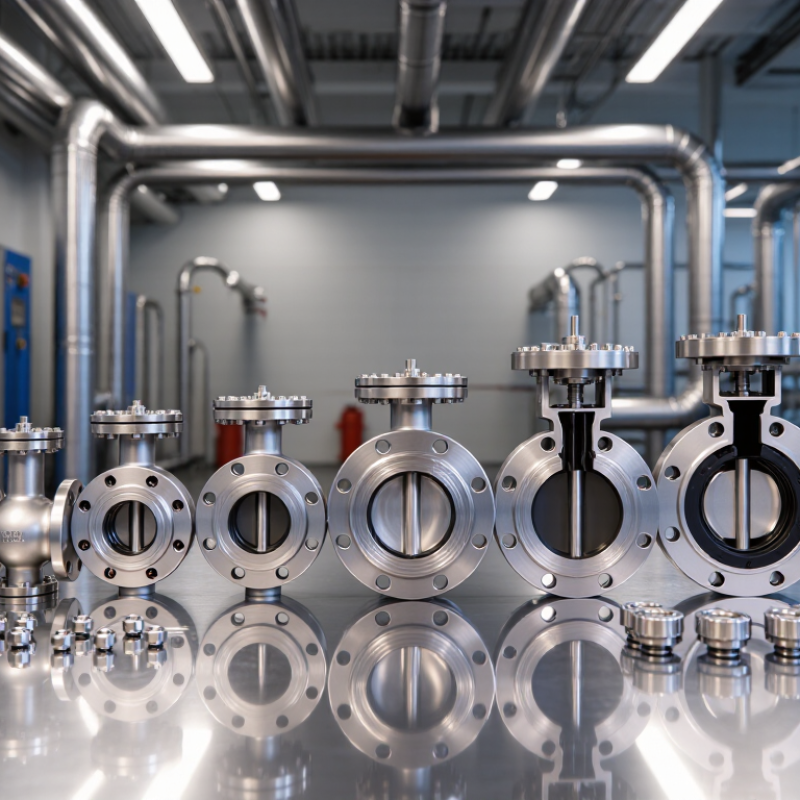
What Zero Leakage Means in Butterfly Valve Design
In butterfly valve design, “zero leakage” usually means no visible passage across the closed seat during a defined pressure test. It does not mean permanent perfection under every temperature, fluid, or operating cycle. Engineers should confirm the applicable standard, pressure direction, test medium, and allowable leakage rate before comparing valves. A valve tested with clean water may behave differently with abrasive slurry or dry gas. That distinction matters for global buyers, because specifications often use “bubble-tight” loosely. Good documentation is evidence.
Reliable shutoff begins with controlled contact between the disc edge and the seat. A resilient seat can absorb small surface irregularities, while a carefully finished disc reduces cutting and wear. Shaft alignment also matters. If the shaft loads one side, the seat may seal well on a new valve but leak after repeated cycling. During field inspections, technicians should check flange alignment, bolt torque, actuator travel, and debris before blaming the valve. A tiny stone can stop a large valve.
For higher temperatures or demanding chemicals, seat material selection becomes decisive. Metal-seated designs may tolerate heat, but they require tighter manufacturing control and realistic leakage expectations. Buyers should request pressure-test records, material certificates, cycle data, and maintenance guidance. Specifications sometimes promise zero leakage while ignoring aging, installation stress, and thermal expansion. That is a weak assumption. The better question is simple: zero leakage under which conditions, for how long, and verified by whom?
10 Best Zero Leakage Butterfly Valves for Global Buyers
What Zero Leakage Means in Butterfly Valve Design
Zero leakage means that the valve meets the specified shut-off acceptance level during a pressure test. In practice, buyers should look for a resilient seat or suitable metal-seated design, accurate disc and shaft alignment, and documented testing to standards such as ISO 5208 or API 598.
The chart shows standardized nominal pressure classes commonly included in butterfly valve specifications. Pressure class is not a leakage ranking: a valve must still pass the required seat test at the applicable pressure and temperature.
Key Features of High-Performance Zero Leakage Valves
Global buyers evaluating zero-leakage butterfly valves should examine sealing performance beyond catalog claims. High-quality designs use accurately machined discs, reinforced seats, and stable shafts to maintain tight closure. Bidirectional shutoff is valuable when pipelines operate under changing flow directions.
Seat selection must match the application. EPDM suits many water services, while NBR supports selected oil-based media. PTFE handles demanding chemical conditions, but temperature limits still matter. Metal-seated designs may perform better under severe heat or abrasive service. There is no universal seat material.
The valve should pass documented pressure testing under recognized standards, such as ISO 5208 or API 598. Test records should state the medium, pressure, duration, and acceptance criteria. Request traceability for body materials, seat compounds, and pressure tests. Small details matter.
Field experience shows that leakage often begins with poor installation. Misaligned flanges can distort the seat. Excessive actuator torque can shorten its life. Specify shaft blowout protection, suitable actuator sizing, corrosion-resistant coatings, and clear maintenance access. Consider cycling frequency and fail-safe requirements before purchasing. “Zero leakage” is not permanent. Temperature changes, debris, and aging can defeat excellent design. That uncomfortable point deserves attention during supplier evaluation.
Top 10 Zero Leakage Butterfly Valve Types for Global Buyers
Global buyers can shortlist ten zero-leakage butterfly valve types by matching sealing design with service conditions. The main options include resilient-seated, high-performance double-offset, triple-offset metal-seated, lined, cryogenic, vacuum-rated, fire-safe, wafer, lug, and double-flanged valves. Wafer and lug versions describe connection style, not sealing quality. That distinction matters during procurement.
Resilient seats suit clean water, cooling systems, and moderate temperatures. Double-offset designs reduce seat friction in larger pipelines. Triple-offset metal seats handle severe heat, steam, and abrasive duty. Lined valves protect against corrosive chemicals, while cryogenic models use extended bonnets and low-temperature materials. Vacuum-rated designs need controlled shaft sealing. Fire-safe construction requires qualified testing, not a catalogue promise. Wafer valves save space; lug valves support easier section isolation. Double-flanged bodies fit heavy pipelines and frequent alignment checks.
Fortune Business Insights estimated the global industrial valves market at USD 79.52 billion in 2023, with continued growth through 2032. That growth increases choice, but also increases specification risk. ISO 5208 leakage testing and API 598 inspection practices help verify actual shutoff performance. Buyers should request test pressure, medium, temperature, seat material, and cycle data. “Zero leakage” usually means no visible leakage under defined test conditions. It does not mean permanent perfection. A practical review should also check emissions, torque margins, corrosion allowance, and actuator sizing. I have seen selections fail through overlooked temperature limits. The valve was not always the real problem.
How to Compare Materials, Standards, and Pressure Ratings
10 Best Zero Leakage Butterfly Valves for Global Buyers
How to Compare Materials, Standards, and Pressure Ratings
“Zero leakage” needs careful interpretation. In practice, it means meeting a defined test limit, not creating a magical seal. ISO 5208:2015 identifies Rate A as no visually detectable leakage during the test. API 609 also provides design and pressure-temperature requirements for butterfly valves. Buyers should request the exact test medium, duration, temperature, and acceptance rate. Without these details, identical “zero leakage” claims may describe different results.
Material selection should follow the fluid and operating environment. Ductile iron suits many water lines, while carbon steel handles stronger mechanical loads. Stainless steel performs better with corrosive fluids, but its cost rises quickly. EPDM seats are common for water applications; PTFE is often preferred for chemicals and higher temperatures. Check compatibility charts, not sales language. A small seal swelling problem can stop a large pipeline.
Pressure ratings are easy to misunderstand. PN16 and Class 150 are not interchangeable, especially at elevated temperatures. ASME B16.34 requires pressure-temperature evaluation, while EN 1092-1 governs many flange dimensions. The 2024 Global Industrial Valve Market analysis by MarketsandMarkets identifies water, oil, gas, and power as major demand sectors, where these differences affect procurement risk. Field experience shows that flange alignment is frequently overlooked. It should not be. Even a well-tested valve may leak after uneven bolt tightening or poor pipe support.