| Ratcheting insulated-terminal crimper | Insulated ring, spade, and butt terminals within the tool’s marked wire-size range; commonly sold for ranges such as 22–10 AWG. | A ratchet holds the jaws closed through the crimp cycle, helping produce consistent crimps when the correct terminal cavity is selected. | Steel jaws and a replaceable or well-maintained ratchet mechanism can support repeated hand-tool use. Keep the pivot clean and check jaw alignment. | General electrical repair using compatible insulated terminals. | Not designed for every terminal style; a crimp that is too large or too small for the selected cavity may be unreliable. |
| Non-insulated terminal crimper | Uninsulated terminals such as open-barrel or closed-barrel types, depending on the jaw profile and die set. | Correctly matched dies can form the conductor and terminal barrel without relying on a plastic insulation sleeve for support. | Die shape and alignment matter. Replaceable dies can extend service life if the tool is designed for them. | Automotive, appliance, and panel wiring where uninsulated terminals are specified. | Terminal styles are not interchangeable; confirm the die profile against the terminal manufacturer’s requirements. |
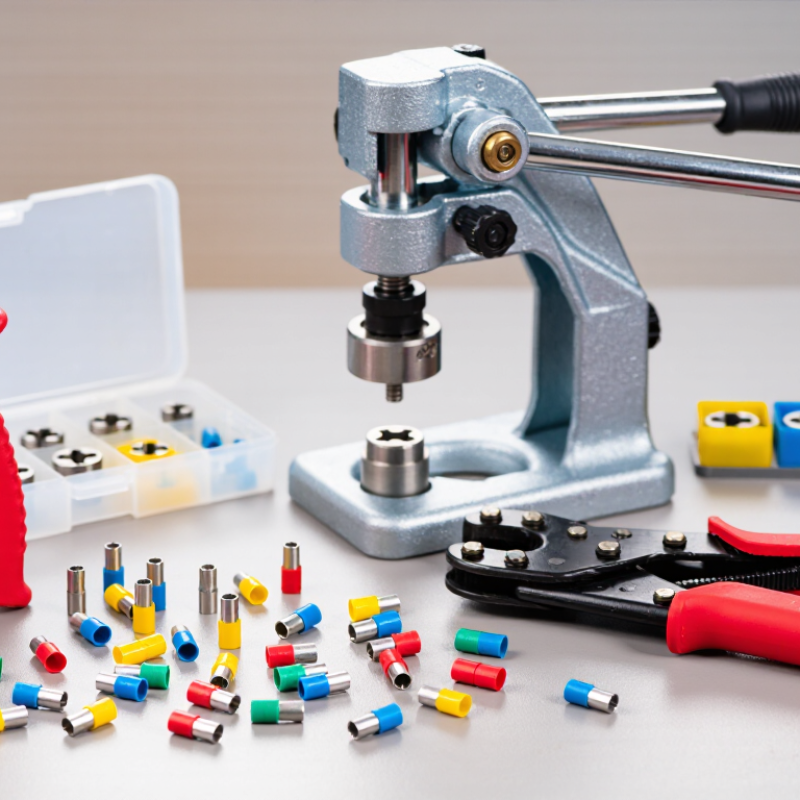
| Ferrule crimper | Tubular wire ferrules; common tool ranges include approximately 0.25–10 mm², with larger ranges available on some models. | Square, hexagonal, or trapezoidal dies shape the ferrule around fine-stranded wire. A self-adjusting mechanism can cover a range of ferrule sizes, but must still be checked for fit. | Repeated use can wear the die surfaces. A secure, even crimp depends on clean jaws and the correct ferrule size. | Preparing stranded conductors for screw-clamp terminals in control panels and similar equipment. | Ferrules are not a substitute for terminals designed for other connection methods; die shape can affect fit in a terminal. |
| Modular plug crimper | Specific modular plug formats, such as 6-position or 8-position plugs; compatibility depends on the tool’s connector slots and plug type. | Positions the plug and conductor contacts for a single squeeze. Integrated cutting or stripping features vary by design. | Alignment of the connector cradle and contact-driving blades is important; damaged or worn blades can cause poor contact termination. | Installing compatible modular connectors on communications cables. | Does not crimp ordinary wire terminals. Plug format and cable construction must match the tool. |
| Hydraulic lug crimper | Large copper or aluminum lugs matched to the tool’s die set and rated conductor range; capacity varies widely by model. | Hydraulic force reduces the hand effort needed for large connections. Correct die selection and the specified number and position of crimps remain essential. | Requires inspection of the ram, seals, return mechanism, and dies. Keep the hydraulic system clean and follow the service instructions. | Large conductors and power connections where a compatible lug and die system is specified. | Heavier and less portable than hand crimpers; not suitable for small terminals or connectors outside its die range. |
| Interchangeable-die ratcheting crimper | Multiple terminal families only when the correct compatible die set is installed; supported wire sizes depend on each die. | Can provide repeatable results across several applications when dies are accurately matched and fully seated. | Die retention, alignment, and ratchet condition affect service life. Additional dies should be stored to prevent damage or loss. | Users who work with several compatible terminal types and want one handle system. | “Interchangeable” does not mean universal; verify that each die is intended for the specific terminal and conductor. |