| What “best” means | There is no single best bollard for every vessel or berth. Suitability depends on the required line load, line arrangement, installation, and operating environment. | Compare documented suitability for the intended mooring arrangement, not appearance or nominal size alone. |
| Standard reference | ISO 13795:2012 is a standard for ship’s deck machinery—mooring bollards. It provides a design and specification reference for the covered equipment; it does not establish one universal safe working load for every installation. | Confirm the applicable standard edition and requirements with the project specification, classification society, or responsible engineer. |
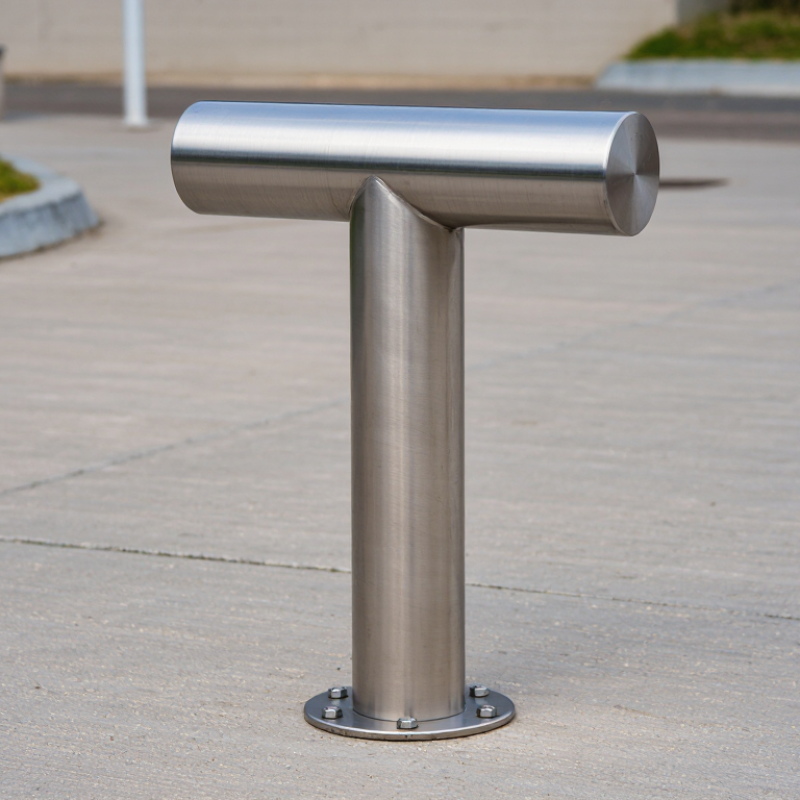
| Tee head profile | The crosshead provides a surface around which mooring lines can be led. The profile alone does not determine the bollard’s load capacity. | Check that the head size and clearances suit the specified line diameter, number of turns, and expected lead angles. |
| Rated SWL | Safe Working Load (SWL) is a stated allowable working load for the defined equipment and conditions. It is not interchangeable with breaking load or ultimate strength. | Use the documented rating and its stated load direction and conditions. Do not infer SWL from dimensions or material descriptions. |
| Load direction and line lead | Loads applied to a bollard depend on line tension and direction. A rating for one loading arrangement should not automatically be treated as valid for every direction or combined load case. | Verify the approved load cases, line leads, and any limitations for simultaneous or off-axis loading. |
| Foundation and attachment | The installed load path includes the bollard, welds or fasteners, supporting plate, and underlying structure. The capacity of the complete installation can be limited by any part of that load path. | Check structural calculations and installation details; a bollard’s stated rating does not by itself certify the supporting deck or foundation. |
| Material and environment | Material selection and corrosion protection should reflect the service environment and the project’s design requirements. A material designation alone does not establish a load rating. | Review material certificates, coating or corrosion-protection requirements, and inspection provisions for the intended marine exposure. |
| Testing and documentation | A traceable specification should identify the product design, rated load, applicable test or verification evidence, and relevant installation limitations. | Request drawings, rating documentation, material records, and applicable inspection or test evidence before approving the equipment. |
| Practical selection conclusion | The best tee head bollard in 2026 is the one whose documented design and SWL meet the project’s mooring loads and applicable requirements, with the supporting structure and installation verified for the same load cases. Confirm the current standard text and project-specific requirements before procurement. |