7 Best Shovel Undercarriage Suppliers in 2026

Selecting a Shovel Undercarriage supplier is not just a price comparison. The right parts must match the machine’s make, model, serial range, and working conditions. A mismatch in track pitch or shoe width can create installation delays and uneven wear. Small details matter.

This guide introduces seven suppliers to consider in 2026. It looks at practical factors such as product range, fitment information, material specifications, parts availability, warranty terms, and technical support. Buyers can use these points when comparing track links, rollers, idlers, sprockets, and complete assemblies. Ask for clear documentation, including part numbers and compatibility details, before ordering. A catalog photo is not proof of a correct fit.

Supplier quality can be difficult to judge from a website alone. Response times, shipping options, and support may vary by region and order size. Even a careful comparison has limits. A supplier that works well for one fleet may not suit another. Confirm critical specifications with the manufacturer or a qualified service professional, and review current terms directly with each supplier. This overview is a starting point, not a substitute for machine-specific checks.

7 Best Shovel Undercarriage Suppliers in 2026

Understanding Shovel Undercarriage Systems

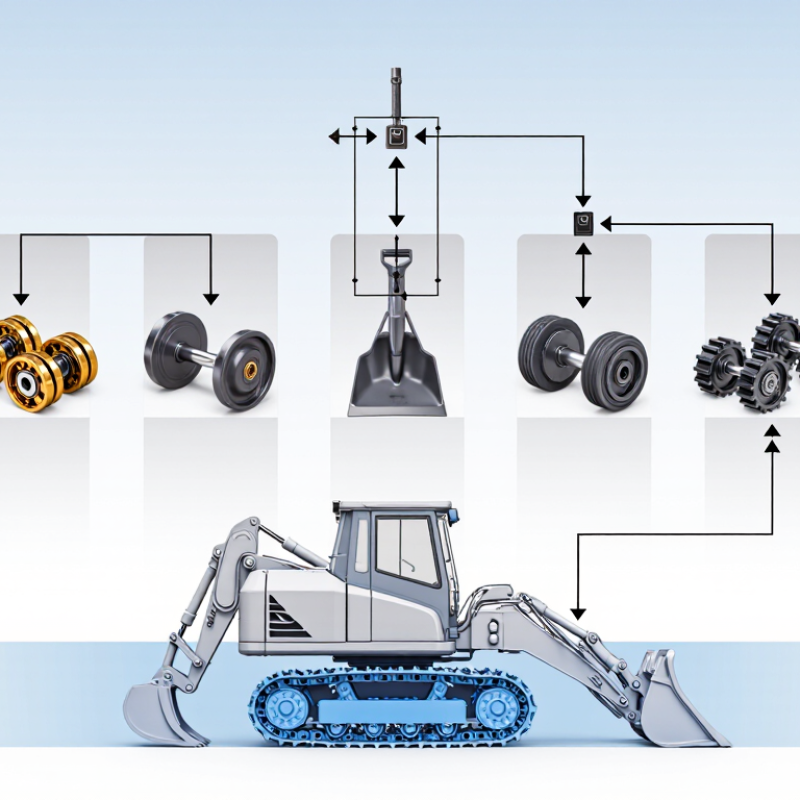
A shovel undercarriage carries the machine’s weight, supports travel, and absorbs repeated impact from digging. Its main parts include track chains, shoes, rollers, idlers, sprockets, and a tensioning system. Each part works under heavy load. Small wear changes can affect several others.

Track shoes spread the machine’s weight across the ground. Chains link the shoes, while rollers guide and support the moving track. Sprocket teeth engage the chain to drive it forward. Idlers help maintain alignment and track tension. A simple system, but not a forgiving one. If tension is too tight, components may wear faster and travel resistance can increase. If it is too loose, the track may derail, especially on uneven ground.

Inspection should follow the machine’s service guidance and account for actual working conditions. Mud packed around rollers, loose shoe bolts, or uneven wear across a chain can offer useful clues. Measure wear consistently; visual checks alone may miss gradual changes. A shovel working on abrasive rock will not wear like one moving through soft soil. Even so, field conditions rarely fit a neat chart. That is where judgment gets messy, so record measurements and ask a qualified technician when readings are unclear.

Key Criteria for Evaluating Undercarriage Suppliers

Start with machine-specific fit, not a broad promise of “heavy-duty” durability. Record the machine model, operating weight, shoe width, chain pitch, link height, and sprocket tooth profile. Compare these with the supplier’s drawings and stated wear limits. Small mismatches can accelerate pin, bushing, and sprocket wear. Fit matters most.

Ask how parts are tested. Useful evidence includes material specifications, hardness results, heat-treatment records, and inspection tolerances. Ask for proof. A supplier should also explain how it handles batches that fail inspection, rather than offering only a general quality claim.

Grand View Research estimated the global construction equipment market at USD 160.84 billion in 2023, with a projected 6.3% compound annual growth rate from 2024 to 2030. That market estimate signals scale, but it does not prove any supplier’s component quality.

Check service support alongside the hardware. The U.S. Bureau of Labor Statistics projects 6% employment growth for heavy vehicle and mobile equipment service technicians from 2023 to 2033, suggesting skilled service capacity remains important. Ask about local parts availability, technical response times, and warranty exclusions. Request references from fleets working in similar ground conditions, then compare actual service intervals with the supplier’s claims.

One weak point in many evaluations: stated wear life can be hard to compare unless soil, load, and operating hours are recorded consistently. Keep those assumptions visible.

Seven Leading Shovel Undercarriage Suppliers in 2026

In 2026, shovel owners can compare seven leading supplier types: original-equipment parts channels, specialist track-group manufacturers, regional distributors, rebuild workshops, heavy-equipment parts houses, export-focused suppliers, and custom engineering firms. These categories serve different needs, so “leading” should mean a strong fit for the machine and job, not a universal ranking. A supplier’s experience with large hydraulic shovels matters; small excavator components may not withstand the same loads.

Check the details before requesting a quote. Provide the machine model and serial number, then confirm track pitch, link count, shoe width, and pin dimensions. Ask how the supplier verifies fit and what inspection records accompany the parts. A clear warranty and realistic delivery estimate are useful. So is access to replacement links or rollers after installation. Fast replies help, but they are not proof of quality.

Look beyond the initial price. A nearby distributor may reduce downtime, while a rebuild specialist could extend service life when the core components remain sound. Ask about steel specifications, heat treatment, testing, and field support. Then compare the answers in writing. This takes time. I would still treat any shortlist cautiously: catalog data can be incomplete, and even experienced suppliers sometimes need the machine’s measurements to confirm compatibility.

7 Best Shovel Undercarriage Suppliers in 2026

A component-based view of the parts buyers commonly compare when evaluating shovel undercarriage suppliers.

How to read this chart: Counts represent component categories in a common undercarriage parts checklist: track chains and shoes; track and carrier rollers; and sprockets, idlers, and track adjusters. This is a component classification, not supplier ranking or market-share data. Availability varies by machine model.

Comparing Supplier Products, Coverage, and Support

When comparing shovel undercarriage suppliers, start with the parts your machine actually needs: track chains, rollers, idlers, sprockets, and complete assemblies. A broad catalog is useful, but fitment details matter more. Check machine model, serial range, track shoe width, and operating conditions before comparing prices. Fit matters.

Product data should include dimensions, materials, heat-treatment details, and clear compatibility notes. Ask how replacement parts are inspected and whether wear-life claims come from field records or estimates. Ask for proof. A polished specification sheet cannot show how a component performs in abrasive soil or repeated impact, so request references from similar applications when possible.

Coverage means more than shipping to many regions. Confirm stock locations, realistic lead times, export packing, and access to technical help across time zones. For urgent repairs, a nearby parts source can matter more than a small price difference. Support also includes practical guidance on installation, tension checks, and warranty steps. Get response times in writing, and clarify who handles a claim. Some details remain uncertain until a part is tested on the machine; supplier assurances are not a substitute for service records. Even a careful checklist misses things. Keep that in mind when weighing coverage against cost.

How to Select a Supplier for Your Shovel Fleet

Selecting a shovel undercarriage supplier starts with the machine’s real working conditions. Note the shovel model, ground type, average daily hours, and load severity. A fleet working on abrasive rock needs different wear planning than one moving soft soil. Small details matter. Keep records of track wear and replacement intervals; they help suppliers recommend suitable components rather than generic alternatives.

Ask how the supplier verifies fitment, material specifications, and heat-treatment quality. Request inspection documents and clear warranty terms. Ask for evidence. A useful supplier can explain how its parts match your machine and what information is needed before ordering. Check stock levels, quoted lead times, and access to technical support. When a shovel is idle, a delayed component can disrupt an entire shift. That matters.

Speak with customers who operate similar equipment, and ask about service after delivery, not only initial performance. Compare total ownership costs, including expected service life, freight, and downtime—not just the unit price. A low quote can look convincing. It may still leave important questions unanswered. Supplier claims are not a substitute for your own maintenance data, and even careful selection cannot prevent every failure. Revisit the decision as site conditions and fleet demands change.

7 Best Shovel Undercarriage Suppliers in 2026 - How to Select a Supplier for Your Shovel Fleet

The entries below describe seven supplier channels, not named companies or a ranked endorsement. Availability, compatibility, and service vary by machine model and location; verify them directly before purchasing.

Supplier channel Typical undercarriage supply Potential advantage Key checks before ordering Often suits
1. Equipment manufacturer’s parts network Machine-specific track groups, rollers, idlers, sprockets, shoes, and hardware Parts lookup by machine identification can help confirm original fitment and revisions. Confirm machine serial range, part supersessions, stock location, warranty terms, and delivery estimate. Fleets prioritizing machine-specific fitment and documented parts history
2. Authorized local equipment dealer Replacement components, complete undercarriage groups, and installation support where offered Local parts and service teams may assist with inspection and installation coordination. Check dealer authorization, technician availability, parts coverage, labor scope, and service response area. Operators who value local service and a single point of contact
3. Independent undercarriage specialist Wear parts and matched component sets for supported machine makes and models Specialist knowledge can support wear assessments and component matching. Ask how fitment is verified, whether components are sold as matched sets, and what inspection or warranty documentation is provided. Mixed fleets needing undercarriage-focused advice across multiple machine models
4. Regional heavy-equipment parts distributor Common replacement parts, including track chains, rollers, idlers, and sprockets A regional warehouse network may offer convenient access to frequently stocked items. Verify exact part numbers, warehouse stock versus transfer stock, return rules, and freight arrangements. Fleets seeking a nearby source for routine replacement parts
5. Track-chain and component manufacturer or distributor Track chains, links, bushings, pins, shoes, and related components, depending on coverage A component-focused source may provide technical specifications for chain and shoe configurations. Confirm pitch, link count, shoe width, bolt pattern, chain type, and application suitability against machine specifications. Maintenance teams replacing track groups or comparing component configurations
6. Rebuild and undercarriage service provider Inspection, repair, rebuilding, or replacement of selected undercarriage components Assessment and repair options can help determine whether components need replacement or can be serviced. Request a written condition report, repair scope, measurement criteria, turnaround estimate, and workmanship warranty. Fleets evaluating repair versus full replacement
7. Multi-brand online parts supplier Catalog-listed replacement parts and, in some cases, complete undercarriage assemblies Online catalogs can make it easier to compare listed specifications and request quotes across models. Confirm the seller’s legal identity, physical stock status, fitment support, return freight responsibility, and warranty coverage. Buyers comfortable verifying specifications and coordinating delivery remotely
Fleet selection checklist: Share each shovel’s make, model, serial number, operating conditions, and current undercarriage measurements. Compare written quotes on verified fitment, component scope, warranty, availability, delivery terms, and technical support—not price alone.
Find the Right Repair Product for Your Project

Need to find the most appropriate product for the needs of your project? We can help because we have over 70 years of experience servicing the industry with every kind of project, from Do-it-yourself projects to large skyscrapers. Package Pavement has the experience, the knowledge and the products to help every project succeed.

Quikrete Repair Products
Legend
Package Pavement has two convenient locations in Stormville, NY (Dutchess County) and Ravena, NY (Greene County) to serve the Northeastern Region with bagged concrete, blacktop, mortar, and repair products. This map gives a general idea of where we service and the product lines we offer.
Package Pavement Products
Quikrete Products
Spec Mix Products
map

Our Brands Websites