| 1. Adjustable two-way wooden stretcher | Length and width | Leather or suede shoes that feel tight across the forefoot or at the toes | Usually hardwood with metal adjustment hardware | Check the size range, length-and-width controls, handle access, and whether pressure plugs are included. | Wood is sturdy but can be heavier than plastic. Use small adjustments and allow time between them; it cannot reliably make a shoe substantially larger. |
| 2. Adjustable two-way plastic stretcher | Length and width | Occasional home use or buyers seeking a lightweight option | Molded plastic with metal or plastic adjustment parts | Compare the adjustment mechanism, size range, shape of the toe section, and overall sturdiness. | Plastic models vary in rigidity. Confirm that the stretcher matches the shoe’s shape and size before applying pressure. |
| 3. Width-focused shoe stretcher | Primarily width across the forefoot | Shoes that pinch at the sides while the length is otherwise comfortable | Commonly wood or molded plastic with a width-expansion mechanism | Look for controlled width adjustment and a toe shape that fits the shoe without forcing its seams. | It is not a substitute for a longer shoe. Avoid using it to force a narrow or delicate shoe beyond its construction limits. |
| 4. Stretcher with bunion or pressure-point plugs | Localized width at selected points | A tight spot near the big-toe joint, little-toe joint, or another localized area | Usually a two-way stretcher with removable or repositionable plugs | Compare plug quantity, placement options, and whether plugs can be securely fitted to the stretcher. | Localized pressure needs careful placement. It will not correct a medical condition or replace a properly fitting shoe. |
| 5. High-instep stretcher | Targeted expansion over the instep | Low-cut shoes that feel tight over the top of the foot | Specialized stretcher body, often with an adjustable pressure point | Check that the pressure area aligns with the shoe’s tight spot and that the tool fits the shoe opening. | Specialized designs may be less versatile than a standard two-way stretcher. Use only modest pressure to avoid distorting the upper. |
| 6. High-heel shoe stretcher | Targeted adjustment in the toe box and forefoot | Pumps and other heeled shoes with a tight front section | Compact, shaped body designed for heeled footwear | Check heel-height compatibility, toe shape, and the areas the stretcher can actually reach. | A standard flat-shoe stretcher may not sit correctly in a heeled shoe. The tool cannot change the shoe’s heel height or overall design. |
| 7. Boot calf-shaft stretcher | Width around the boot shaft | Boot shafts that feel tight around the calf | Long, adjustable shaft-forming device, often made from wood or plastic | Compare the shaft-height range, adjustment range, and compatibility with the boot’s opening and lining. | This is a boot-specific tool, not a replacement for a shoe stretcher. It is unsuitable for boots whose construction cannot tolerate expansion. |
| 8. Boot instep and forefoot stretcher | Width or localized pressure across the boot’s foot section | Boots that pinch over the instep or at the forefoot | Compact shoe-stretcher mechanism shaped to fit inside a boot | Check whether the handle reaches the opening and whether the tool shape suits the boot’s toe and instep. | A narrow boot opening can make insertion and adjustment difficult. Verify fit before use, especially with tall or lined boots. |
| 9. Toe-box stretcher with removable plugs | Localized expansion in the front of the shoe | Pressure at one or more points in the toe box | Adjustable stretcher with plug positions near the front | Compare the plug layout, toe-box shape, and whether the plugs can be moved to match the pressure points. | It may not address tightness at the heel or midfoot. Avoid excessive force around stitching, decorative details, or delicate materials. |
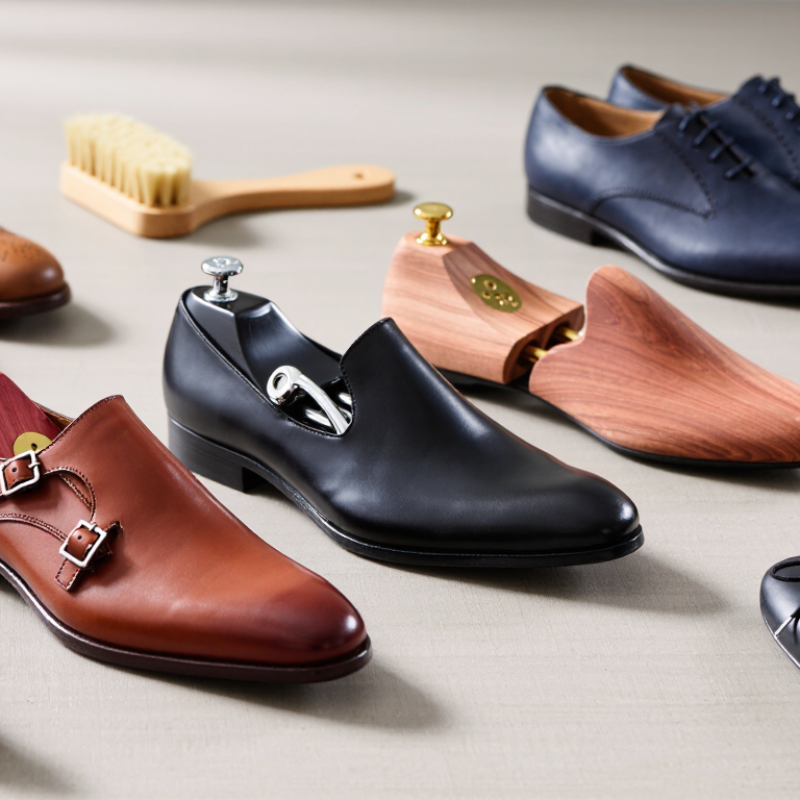
| 10. Cedar shoe tree for shape maintenance | No active stretching; maintains shape with gentle tension | Keeping worn shoes in shape and helping absorb moisture between wears | Often aromatic cedar with a spring or split-toe mechanism | Compare size adjustability, toe shape, and whether the tree fits without forcing the shoe wider or longer. | A shoe tree is not a shoe stretcher. Choose a dedicated stretcher when a specific tight area needs controlled expansion. |