Best Mortar Repair Techniques for Homeowners?

Mortar repair is an essential yet often overlooked aspect of home maintenance. According to the National Association of Home Builders, nearly 30% of homes experience some type of masonry issue throughout their lifespan. Homeowners frequently underestimate the impact of damaged mortar, leading to more significant problems down the line. "Ignoring small cracks today can result in expensive repairs tomorrow," warns renowned masonry expert John Smith.

Effective mortar repair techniques are crucial for preserving the integrity of structures. With the right methods, homeowners can tackle minor issues before they escalate. However, many people lack the knowledge of proper repair processes. Often, homeowners attempt quick fixes instead of utilizing long-lasting solutions. This can make the situation worse, causing further damage.

While it may seem daunting, understanding the essentials of mortar repair can empower homeowners. With industry reports highlighting that timely repairs can save up to 50% in costs, addressing issues promptly makes financial sense. Investing time in learning about mortar repair can ensure a safer, more stable home environment. Remember, the quality of your repair work today will dictate the durability and longevity of your structures tomorrow.

Best Mortar Repair Techniques for Homeowners?

Understanding the Importance of Mortar Repair for Homeowners

Mortar repair is essential for homeowners. It ensures the structural integrity of your home. Cracks and gaps in mortar can lead to bigger issues, like water damage. Over time, neglecting repairs can cost you more. Understanding how to maintain and repair mortar will benefit your home greatly.


Tips: Check your mortar regularly. Look for cracks or discoloration. If you find any, don’t wait. Addressing them early can prevent further issues. Use a simple mortar mix for small repairs. It’s easy to apply and can make a noticeable difference.


Remember, not every repair will be perfect. You may encounter difficulties like uneven surfaces. It's okay; practice will improve your skills. The key is to learn from each attempt. Each crack you fix fosters confidence and enhances your home's appearance. Mortar repair is a valuable tool in your home maintenance arsenal.

Common Signs That Indicate Mortar Damage in Your Home

Homeowners should be aware of common signs that indicate mortar damage. Cracks in mortar joints can be a major red flag. These cracks may appear as hairline fractures or larger gaps. According to the American Society of Home Inspectors, more than 25% of homes experience some form of mortar damage. Ignoring these signs can lead to further structural issues over time.

Another indicator is the presence of efflorescence. This white, powdery substance on brick surfaces is a result of moisture seeping through damaged mortar. It signifies a moisture issue inside walls. The Brick Industry Association notes that persistent efflorescence can compromise brick integrity. Homeowners should never underestimate the implications of such warnings. Moisture intrusion may lead to mold growth and higher maintenance costs.

Lastly, loose bricks can also signal mortar deterioration. If bricks sound hollow or can be easily moved, it indicates weakened mortar. Regular inspection can help identify these problems early. In fact, routine maintenance is essential for the longevity of masonry structures. Homeowners often overlook these details, assuming small issues will resolve themselves. Failing to address mortar damage can lead to larger expenses and safety concerns down the line.

Best Mortar Repair Techniques for Homeowners

Signs of Mortar Damage Recommended Repair Technique Estimated Repair Time Cost Range ($)
Cracks in mortar joints Repointing 1-2 days 200-600
Dispersion of mortar Masonry repair caulk A few hours 50-150
White powder on the surface Wash and seal 1 day 100-300
Uneven settling of bricks Reinforcement and grouting 2-3 days 500-1000
Moisture issues Sealant application 1 day 150-400

Step-by-Step Guide to Prepare for Mortar Repair

Best Mortar Repair Techniques for Homeowners?

When preparing for mortar repair, the right steps can make a big difference. Start by assessing the damaged area. Look for cracks or crumbling sections. Not all damage is obvious. Some might be hidden under layers of paint or dirt. Take your time to find all the issues.

Gather your tools and materials. You will need a wire brush, chisel, and trowel. Also, consider wearing safety gloves and goggles. These are essential for protection. Dust and debris can be harmful. Make sure your work area is clean and free from clutter.

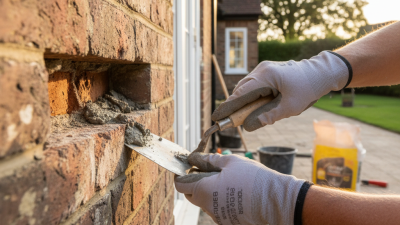
Before applying new mortar, it is crucial to prep the surface. Remove old, loose material with your wire brush. A clean surface allows better adhesion. If the area is large, a chisel can help. Don’t rush this process; it affects the final result. Remember, patience is key. Pay attention to details.

Tips: Always check the weather before starting. Too much humidity can affect drying time. Also, practice mixing mortar. The right consistency is vital. Not too dry or wet. Keep experimenting until you feel confident. Mortar repair can be messy, but successful results are rewarding.

Different Types of Mortar and Their Best Repair Techniques

Best Mortar Repair Techniques for Homeowners?

When dealing with mortar repairs, it's essential to identify the type you're working with. There are three common types of mortar: lime-based, cement-based, and polymer-modified. Lime-based mortar is flexible and breathable, often used in older buildings. Repairs here require a gentle touch. Use a compatible lime mix for the best results.

Cement-based mortar is strong and durable. It’s used in many modern structures. When repairing, chip away loose mortar first. Apply new mortar with a trowel, ensuring it adheres well. Curing is key; keep it damp for several days for proper strengthening.

Lastly, polymer-modified mortar offers enhanced adhesion and flexibility. It’s great for areas exposed to moisture. When using this type, be mindful of mixing. Too much water can weaken its properties. Each mortar type demands attention to detail. Watch your techniques evolve over time. Monitor your progress and adjust as necessary.

Tools and Materials Needed for Effective Mortar Repair

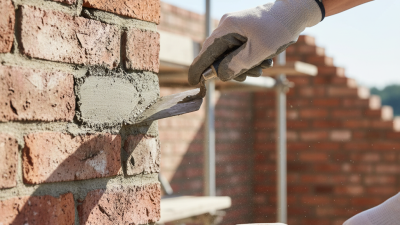
When tackling mortar repair, having the right tools and materials is vital. Start with a sturdy trowel. This helps in applying and shaping the mortar precisely. A masonry hammer is also key for removing old, cracked mortar. A joint raker can help you clear out deteriorating mortar before filling in the new mix.

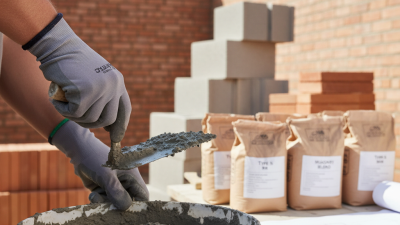
Mixing your mortar correctly is equally important. Use clean water and a mixing bucket for consistency. A sieve can help ensure there are no lumps in the mix. If the mortar looks too dry or too wet, adjustments are necessary. Look at the color and texture closely. It's essential to get it just right for successful application.

Don’t forget safety gear. A pair of safety goggles can protect your eyes from dust and debris. Gloves are crucial too—they keep your hands safe and clean. Be prepared for a bit of mess, as mortar can splatter. A drop cloth might be handy for protecting nearby surfaces. Reflect on your technique and be open to adjustments. It's a process that sometimes takes a few tries to get just right.

Best Mortar Repair Techniques for Homeowners

This bar chart illustrates the effectiveness ratings of various mortar repair techniques commonly employed by homeowners. Ratings are based on a scale from 1 to 10, indicating each technique's overall performance.

Find the Right Repair Product for Your Project

Need to find the most appropriate product for the needs of your project? We can help because we have over 70 years of experience servicing the industry with every kind of project, from Do-it-yourself projects to large skyscrapers. Package Pavement has the experience, the knowledge and the products to help every project succeed.

Quikrete Repair Products
Legend
Package Pavement has two convenient locations in Stormville, NY (Dutchess County) and Ravena, NY (Greene County) to serve the Northeastern Region with bagged concrete, blacktop, mortar, and repair products. This map gives a general idea of where we service and the product lines we offer.
Package Pavement Products
Quikrete Products
Spec Mix Products
map

Our Brands Websites