2026 Best Hdpe Cutting Board Material for Global Buyers?

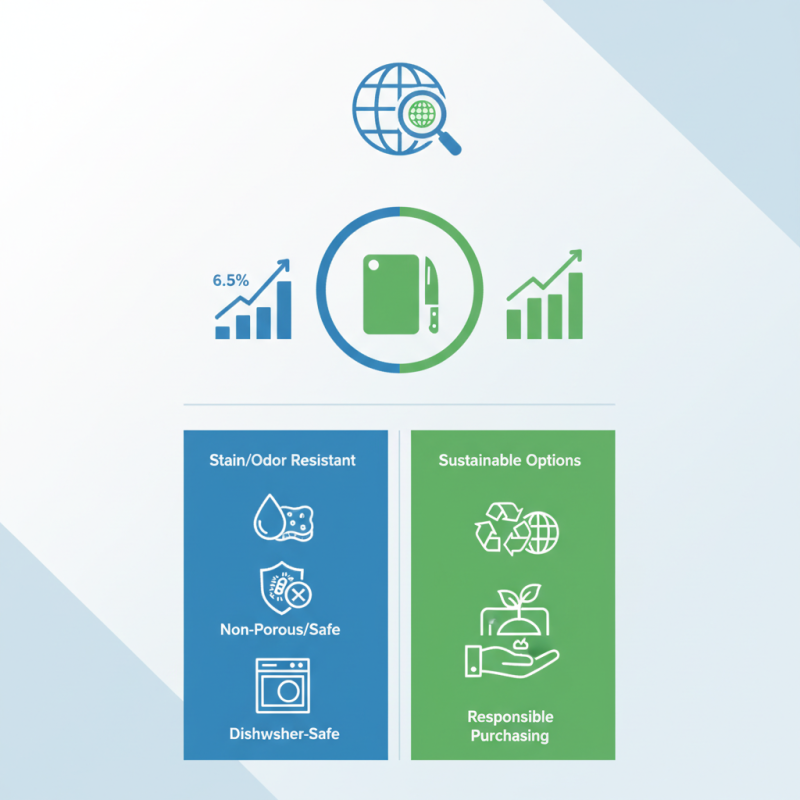
In the competitive world of kitchenware, Hdpe Cutting Board Material stands out for its durability and safety. According to a report by Market Research Future, the global cutting board market is projected to grow at a CAGR of 6.5% from 2021 to 2026. This growth underscores an increasing demand for high-quality materials that meet safety standards.

HDPE, or high-density polyethylene, offers superior resistance to stains, odors, and harsh chemicals. Many professionals in the culinary field prefer HDPE due to its non-porous nature, ensuring bacteria cannot penetrate its surface. Industry experts highlight that HDPE cutting boards are also dishwasher-safe, making them easier to maintain compared to wooden alternatives.

Despite these advantages, there are concerns about the environmental impact of HDPE production. As the market evolves, buyers should consider sustainable options within the HDPE category. While it is critical to prioritize performance, future consumers might want to reflect on the ecological footprint of their choices. The journey towards finding the best HDPE cutting board material is not just about utility, but also about responsible purchasing decisions.

2026 Best Hdpe Cutting Board Material for Global Buyers?

Understanding HDPE: Properties and Benefits for Cutting Boards

HDPE, or High-Density Polyethylene, is a top choice for cutting boards. Its dense structure offers durability. According to industry reports, HDPE can resist significant impact and wear. This resistance makes it suitable for both home kitchens and commercial environments.

One of the notable properties of HDPE is its non-porous nature. This characteristic reduces the risk of bacteria growth, a vital factor for food safety. Studies show that HDPE boards have a lower bacterial transfer rate when compared to wooden boards. Moreover, they are easy to clean and maintain, which is crucial for busy kitchens.

However, there are considerations to keep in mind. While HDPE is resistant to many chemicals, prolonged exposure to harsh substances can degrade it. Some users may notice scratching or dulling of the surface over time. These imperfections might affect the board's aesthetic and functionality. Regular inspection can help in identifying wear and ensuring continued performance.

2026 Best HDPE Cutting Board Material Properties Comparison

Comparing HDPE to Other Cutting Board Materials

When comparing HDPE to other cutting board materials, several factors emerge as critical. HDPE, or high-density polyethylene, is renowned for its durability and resistance to bacteria. Studies reveal that HDPE boards can reduce bacterial growth by up to 99%. This places them amongst the safest choices for food preparation. Unlike wooden boards, HDPE does not harbor deep grooves where bacteria can thrive.

Another crucial factor is maintenance. HDPE cutting boards are dishwasher safe and easy to clean. They require less upkeep than bamboo or wooden options that may warp or crack over time. The flexibility of HDPE boards allows for a variety of cutting techniques without damaging the surface. However, some users report that HDPE cuts can become visible over time. This wear raises questions about its longevity.

Cost is also a significant consideration. Reports show that while HDPE may have a higher initial cost compared to plastic alternatives, its lifespan and efficiency often justify the investment. Users often weigh the long-term benefits against the upfront price. Evaluating these features can help buyers make informed choices that align with their cooking habits.

Global Market Trends: Demand for HDPE Cutting Boards in 2026

In 2026, the demand for HDPE cutting boards is expected to rise significantly. As more households focus on hygiene and food safety, the popularity of HDPE materials grows. These cutting boards are lightweight, durable, and resistant to deep knife cuts, making them an ideal choice for kitchen use. Many global buyers are looking for functional yet affordable kitchen tools, and HDPE boards meet these needs perfectly.

Market trends indicate a shift towards eco-friendly materials. Buyers are increasingly aware of sustainability issues. HDPE is recyclable and can be produced without harmful chemicals. This characteristic is appealing to environmentally conscious consumers. However, it is crucial to ensure that the recycling processes are effective. Without proper systems in place, the environmental benefits may diminish.

Quality control remains a challenge in the HDPE cutting board market. While many products claim to be of high quality, inconsistencies can occur. Buyers must remain vigilant in selecting reliable suppliers. Observing manufacturing practices can reveal a lot about the product's potential longevity. Markets are evolving, but education on material quality is key to making informed purchases.

Factors to Consider When Sourcing HDPE Cutting Boards Globally

When sourcing HDPE cutting boards globally, several factors must be considered. First, understanding the material properties is crucial. HDPE (High-Density Polyethylene) is known for its durability and resistance to moisture and chemicals. A robust report by the Food and Drug Administration (FDA) indicates that HDPE is food-safe, making it ideal for kitchen applications. However, not all HDPE is created equal; variations in density and additives can affect performance.

Next, consider sourcing locations. Countries such as the USA and Germany have established industries for HDPE products. Their standards for quality are high, ensuring that buyers receive reliable materials. However, emerging markets may offer lower costs but might compromise on quality. A global market analysis published by Market Research Future suggests that the demand for HDPE cutting boards will rise by 4% annually, emphasizing the need for careful supplier evaluation.

Tips: Always request samples before making bulk orders. Inspecting materials firsthand ensures they meet your standards. Additionally, keep an eye on certifications. Look for compliance with international food safety regulations. Sourcing can be challenging, and a lack of transparency in supplier practices can lead to subpar products. Continuous monitoring of supply chains is essential for maintaining quality.

Sustainability in HDPE Production: Impacts on Buyers and Environment

Sustainability in HDPE production significantly impacts both buyers and the environment. High-density polyethylene (HDPE) is favored for its durability and recyclability. However, the production process can be resource-intensive. Energy consumption and emissions during manufacturing are areas needing improvement.

Buyers increasingly seek eco-friendly options. The sourcing of raw materials plays a crucial role. Sustainable practices, like using renewable energy and minimizing waste, elevate product appeal. Many manufacturers are adopting these practices to meet buyer demands. They understand that environmental stewardship can enhance brand loyalty.

Despite progress, challenges remain. Not all HDPE products are made equally. Some manufacturers may still rely on outdated methods. Buyers must conduct thorough research to ensure they are choosing responsibly produced materials. This journey is not yet perfect but reflects a growing awareness and commitment to sustainability within the industry.

Find the Right Repair Product for Your Project

Need to find the most appropriate product for the needs of your project? We can help because we have over 70 years of experience servicing the industry with every kind of project, from Do-it-yourself projects to large skyscrapers. Package Pavement has the experience, the knowledge and the products to help every project succeed.
Quikrete Repair Products
Legend
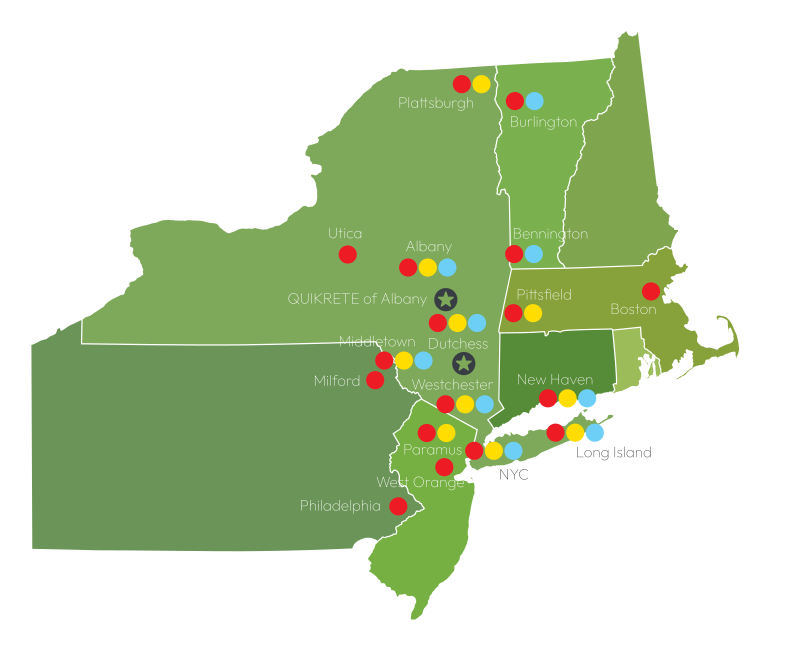
Package Pavement has two convenient locations in Stormville, NY (Dutchess County) and Ravena, NY (Greene County) to serve the Northeastern Region with bagged concrete, blacktop, mortar, and repair products. This map gives a general idea of where we service and the product lines we offer.
Package Pavement Products
Quikrete Products
Spec Mix Products
map

Our Brands Websites