| Fuel type | Natural gas or propane (LPG) | Choose an oven configured and approved for the fuel available at the installation site. Natural gas and propane use different burner and pressure settings; they are not interchangeable without an approved conversion procedure. |
| Gas supply | Supply pressure, pipe sizing, and required gas flow | Ask the supplier for the oven’s input rating and connection requirements. A qualified gas professional should verify that the building supply and pipework can deliver the required flow while maintaining the pressure specified by the manufacturer. |
| Propane arrangement | Cylinder or bulk tank, regulator, and location | Use the regulator and supply arrangement specified for the appliance. Tank placement, separation distances, ventilation, and protection from impact are governed by local fire and fuel-gas rules. |
| Oven capacity | Cooking-floor diameter or internal dimensions | Compare the usable cooking area with the food volume and cooking style. Ask for internal dimensions as well as external dimensions; insulation and the brick dome can make the exterior substantially larger than the cooking chamber. |
| Operating temperature | Manufacturer’s stated temperature range and warm-up procedure | Wood-fired and gas-fired brick ovens can be used for different cooking temperatures, but performance depends on design, fuel input, insulation, and operating conditions. Do not treat one temperature range as a universal rating; follow the manual and use a suitable oven thermometer. |
| Clearances | Distance to combustible walls, ceilings, and materials | There is no single clearance suitable for every oven. Follow the model’s listed installation instructions and local requirements. Do not reduce clearances or add shields unless the manufacturer and applicable code permit the proposed arrangement. |
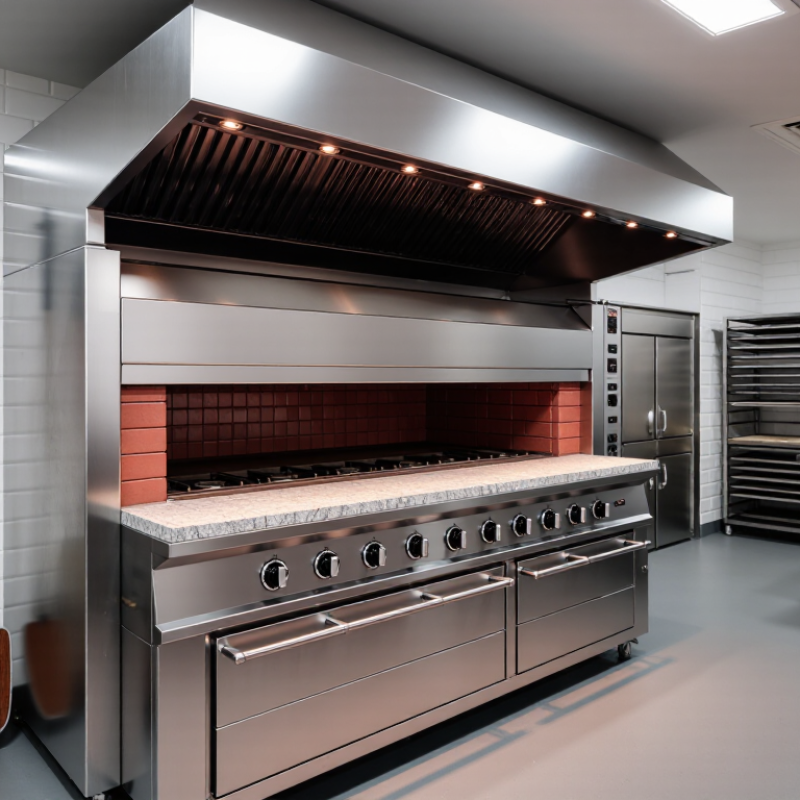
| Indoor installation | Appliance approval, ventilation, and exhaust | Confirm that the oven is approved for indoor use. Indoor installations may require a correctly designed exhaust hood, makeup air, and other ventilation provisions under local codes. An outdoor-only oven should not be installed indoors. |
| Outdoor installation | Weather exposure, stable base, and surrounding materials | Use a level, load-bearing base suitable for the oven’s full operating weight. Protect the unit from weather as directed by its manufacturer, and keep the required clearances from combustible structures and stored materials. |
| Gas connection | Approved connector, shutoff valve, and accessible isolation point | Connection type and location must match the appliance instructions and local code. Provide an accessible gas shutoff where required, and ensure the connector is protected from heat, abrasion, and physical damage. |
| Leak and commissioning checks | Leak testing, burner operation, and flame condition | Have the system tested and commissioned after installation. Use an approved leak-detection method; never check for gas leaks with a flame. Stop use and contact a qualified professional if a leak, unusual flame, or gas odor is detected. |
| Carbon monoxide safety | Combustion air, exhaust, and alarm requirements | Gas combustion can produce carbon monoxide if equipment is faulty or ventilation is inadequate. Follow local requirements for carbon monoxide alarms, keep vents unobstructed, and do not operate an indoor appliance without its required ventilation system. |
| Purchasing documents | Manual, rating plate details, warranty, and spare parts | Before purchase, request the installation manual, fuel and input ratings, approval or certification details applicable to the destination country, warranty terms, and information on replacement burners and other service parts. |