Best CNC Turning Center for Precision Machining?

In the world of precision machining, selecting the right CNC Turning Center is crucial. Renowned expert John Smith once stated, “A quality CNC Turning Center can elevate your production efficiency significantly.” This insight highlights the importance of choosing the best equipment for your needs.

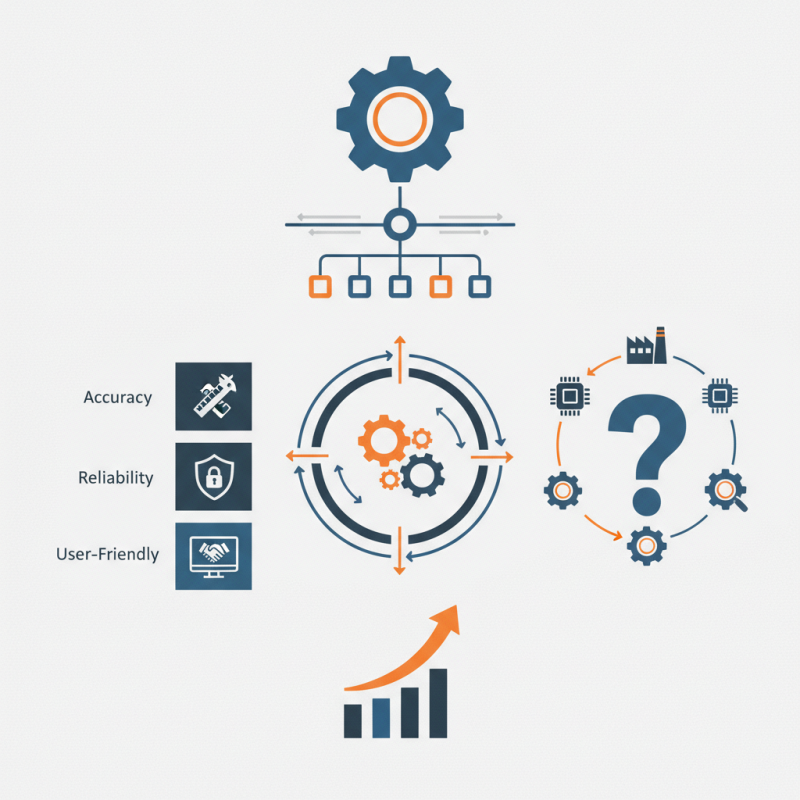
CNC Turning Centers are vital for producing complex components with high precision. The market offers numerous options, but not all machines are created equal. Factors such as accuracy, reliability, and user-friendly interfaces can make a significant difference. It's essential to remember that a costly machine does not guarantee the best performance. Often, businesses find themselves struggling with machines that overpromise yet underdeliver.

As industries evolve, the criteria for evaluating CNC Turning Centers shift. While some machines seem impressive on paper, they may not fit all production environments. A thorough understanding of your specific requirements and potential shortcomings is necessary. Continually asking questions and seeking feedback will lead you to a better choice.

Best CNC Turning Center for Precision Machining?

Overview of CNC Turning Centers and Their Importance in Precision Machining

CNC turning centers are essential in precision machining. They offer high levels of automation and accuracy, making them ideal for manufacturing parts. These machines shape materials with precision, transforming raw blocks into intricate designs. Operators can create complex geometries, which improves product performance.

However, using CNC turning centers is not without challenges. Operators must understand the software and machine capabilities. Poor programming can lead to errors and wasted materials. Additionally, regular maintenance is crucial. Neglecting to care for the equipment can reduce precision over time.

When evaluating a CNC turning center, consider the machine’s features. Look for options that allow flexibility in production. Precision is key, but so is the speed of operations. The balance between these factors significantly affects productivity. Choosing wisely can lead to better outcomes in manufacturing processes.

Key Features to Consider When Selecting a CNC Turning Center

When selecting a CNC turning center, precision is paramount. Look for a machine that offers tight tolerance capabilities. A machine with a C-axis allows for more complex geometries. Enhanced tool changing mechanisms improve efficiency. Robust construction leads to better stability and reduced vibrations. These features collectively contribute to machining accuracy.

Tips: When evaluating CNC options, think about the intended applications. Will you be working with hard materials? Check rigidity and tooling options.

Another essential feature is the control system. An intuitive interface can significantly reduce learning time. Consider how programmable features can enhance flexibility. A good control system can make complex tasks easier and faster.

Lastly, pay attention to maintenance requirements. Some machines need more frequent servicing. Evaluate if you have the resources for upkeep. Neglecting maintenance can lead to unexpected downtimes. A well-maintained center is key to prolonged precision.

Best CNC Turning Center Comparison

This chart displays the comparative ratings of key features to consider when selecting a CNC turning center for precision machining. Each feature is rated on a scale from 1 to 10, with higher scores indicating better performance or suitability.

Comparison of Leading CNC Turning Centers for Precision Applications

When selecting a CNC turning center for precision machining, understanding the features and capabilities is crucial. A recent industry report indicates a 20% annual growth in the demand for precision CNC machines. This highlights the importance of investing in technology that meets high standards. Significant factors include spindle speed, tool change time, and machine rigidity. These can significantly impact production efficiency and product quality.

Several models in the market have shown exceptional precision. For instance, studies reveal that machines with a spindle speed above 4,000 RPM can enhance surface finish and reduce machining time. However, not all turning centers deliver consistent results across various materials. Some may excel with soft metals but struggle with harder materials. This inconsistency raises important questions about machine selection and application suitability.

Additionally, consider the maintenance requirements of turning centers. A machine that demands frequent calibration or repairs can lead to increased downtime. Industry data suggests that up to 30% of machining costs are due to inefficiencies. Investing in a reliable and robust CNC turning center can mitigate these issues, leading to better overall productivity and profitability in precision machining applications.

Best CNC Turning Center for Precision Machining

Model Max Turning Diameter (mm) Max Turning Length (mm) Spindle Speed (RPM) Tool Capacity Control System Price Range (USD)
Model A 300 600 4000 12 Fanuc $50,000 - $60,000
Model B 350 750 3500 10 Siemens $45,000 - $55,000
Model C 400 800 5000 15 Mitsubishi $55,000 - $70,000
Model D 300 600 4500 8 Heidenhain $40,000 - $50,000

Tips for Optimizing Performance of CNC Turning Centers in Machining Tasks

Optimizing the performance of CNC turning centers can significantly improve efficiency in precision machining tasks. According to recent industry reports, 80% of machining errors stem from improper tool settings and inconsistent workpiece clamping. Proper tool management is crucial. Ensure tools are sharp and correctly aligned. Regularly inspect and calibrate the equipment to maintain accuracy.

Another essential factor is spindle speed. Studies indicate that varying spindle speeds can enhance surface finish quality. For instance, a spindle speed adjustment can lead to a 15% improvement in machining time without sacrificing precision. However, this requires careful analysis. Higher speeds do not always yield better results, particularly with harder materials. It’s a delicate balance.

Operator training should also be prioritized. Even experienced machinists can overlook subtle changes in the machining environment. Regular training sessions could reduce human error. While technology offers solutions, human oversight remains vital. Continuous improvement hinges on addressing these gaps in knowledge and practices. Adapting to the evolving landscape of CNC technology demands constant reflection and adjustment.

Future Trends in CNC Turning Technology for Enhanced Precision and Efficiency

The world of CNC turning technology is evolving rapidly. Future trends focus on enhancing precision and efficiency. According to a recent industry report, the market for CNC turning centers is expected to grow by 6.5% annually through 2026. This growth is driven by advancements in automation, software integration, and smart manufacturing practices.


One key trend is the integration of artificial intelligence (AI) in CNC systems. AI can optimize machining parameters in real-time, improving precision. A study shows that AI-equipped machines can reduce waste by 20% and increase operational efficiency significantly. However, companies must tread carefully, as excessive reliance on AI might lead to a skills gap.


Tips: Embrace AI while training staff on its use. Regular training can bridge the skills gap. Another trend is the adoption of multi-axis machines. They can perform complex tasks in one setup. This reduces cycle time but requires skilled operators.


Many manufacturers are also focusing on energy efficiency. According to research, CNC machines consume about 20% of the total energy in production facilities. Implementing energy-saving technologies can lead to significant cost reductions. However, not all energy-efficient solutions work for every shop. It’s essential to analyze and adapt these technologies to specific needs.

Find the Right Repair Product for Your Project

Need to find the most appropriate product for the needs of your project? We can help because we have over 70 years of experience servicing the industry with every kind of project, from Do-it-yourself projects to large skyscrapers. Package Pavement has the experience, the knowledge and the products to help every project succeed.

Quikrete Repair Products
Legend
Package Pavement has two convenient locations in Stormville, NY (Dutchess County) and Ravena, NY (Greene County) to serve the Northeastern Region with bagged concrete, blacktop, mortar, and repair products. This map gives a general idea of where we service and the product lines we offer.
Package Pavement Products
Quikrete Products
Spec Mix Products
map

Our Brands Websites