What is the Best Chiller Series for Your Cooling Needs?

Choosing the right Chiller Series for your cooling needs can be challenging. Each series offers unique features tailored for specific applications. Understanding these differences is essential for optimal performance.

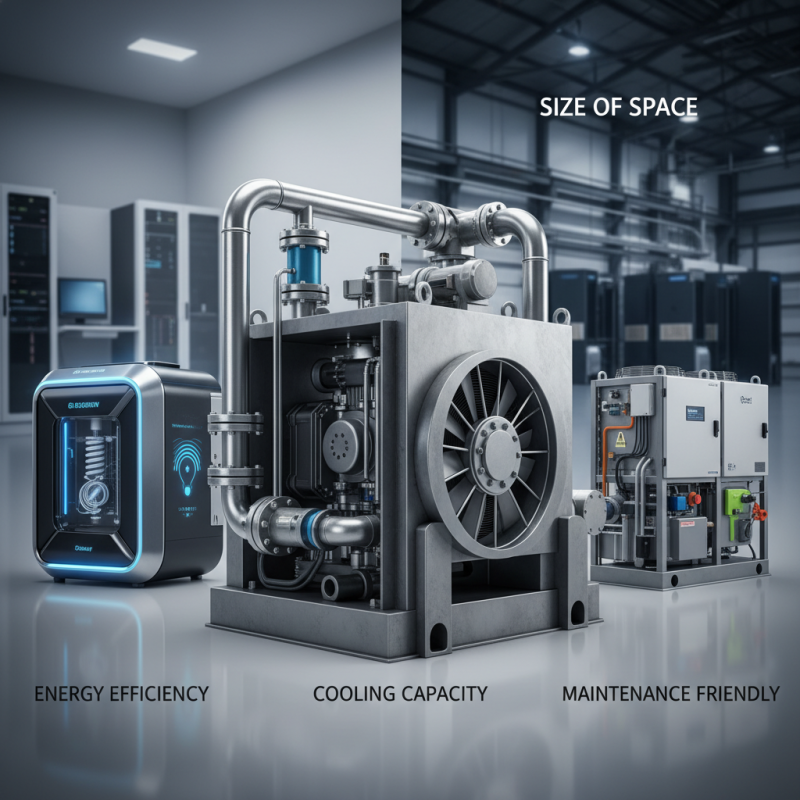
Think about your requirements. Do you need energy efficiency, or is it about cooling capacity? High efficiency may reduce operational costs. However, it might come with a higher upfront price. Balancing these factors is crucial.

Consider the size of your space. Compact models work well in smaller areas. Larger facilities may require a more robust option. Don't forget maintenance; some series demand more attention than others. The right choice should suit both your current needs and future expansions.

What is the Best Chiller Series for Your Cooling Needs?

Understanding Different Types of Chillers for Diverse Applications

When choosing a chiller for your cooling needs, understanding the different types is crucial. Chillers can primarily be categorized into air-cooled and water-cooled systems. Air-cooled chillers are generally easier to install and require less maintenance. They work best in moderate climates. However, they may struggle in extreme heat.

On the other hand, water-cooled chillers are more efficient in large-scale operations. They often require a cooling tower, which adds complexity. That said, they tend to waste more water in arid regions. Each option serves unique applications, from industrial processes to commercial spaces. Yet, picking the right one often feels overwhelming.

Consider the specific cooling load and the space available for installation. Not all chillers fit every environment well. Sometimes, overlooking airflow or power supply compatibility leads to inefficiencies. It’s vital to balance performance with practical limitations. The wrong choice can lead to higher operating costs or inadequate cooling. Reflect on your specific needs before making a decision.

What is the Best Chiller Series for Your Cooling Needs?

Chiller Type Cooling Capacity (kW) Energy Efficiency (COP) Application Refrigerant Type
Air-Cooled Chiller 50-500 3.0 - 6.0 Commercial Cooling R-410A
Water-Cooled Chiller 100-2500 4.5 - 7.0 Industrial Applications R-134A
Absorption Chiller 50-1000 1.0 - 1.5 Process Cooling Lithium Bromide
Scroll Chiller 20-150 3.5 - 5.5 Small to Medium Facilities R-407C
Centrifugal Chiller 100-5000 5.0 - 8.0 Large Facilities R-123

Key Factors to Consider When Choosing a Chiller Series

When selecting a chiller series, focus on crucial factors that impact performance. Different applications require distinct cooling capabilities. Determine the cooling load needed for your facility. A mismatch can lead to inefficiency and higher energy costs.

Consider the power supply available. Some chillers need specific voltage or phase configurations. Ensure your facility can support the chosen chiller's requirements. Additionally, factor in the ambient temperature. It influences the chiller’s efficiency and lifespan.

Tips: Look for models that allow for easy maintenance access. This simplifies repairs and reduces downtime. Evaluate portability if your needs may change. It’s wise to consult with experts before making a final decision. They can provide insights tailored to your unique situation.

Comparative Analysis of Popular Chiller Brands and Models

When selecting a chiller, understanding differences is key. Various models excel in specific areas, but each has drawbacks. For instance, absorption chillers can be highly efficient in specific conditions, yet they require more maintenance than their vapor-compression counterparts. According to a recent industry report, about 70% of facilities reported facing maintenance challenges with older absorption units. The upfront cost can be significant, and the return on investment varies widely.

Vapor-compression chillers dominate the market due to their versatility. They have a lower initial cost and are easier to maintain. However, they may not perform well in extreme conditions. A survey indicated that over 60% of facility managers faced energy inefficiencies with outdated vapor-compression models. Innovative technologies, such as variable-speed drive systems, show promise in enhancing efficiency but come with a learning curve for staff.

Cooling needs evolve. Climate change impacts operational efficiency. It’s critical to analyze local conditions when choosing a chiller type. Some users find large-scale chillers overwhelming, while compact models may suit smaller applications. The balance of size, efficiency, and cost is delicate. Users often need to rethink their current setups, making adjustments to meet evolving regulatory and environmental standards.

Energy Efficiency and Environmental Impact of Chiller Systems

When evaluating the energy efficiency of chiller systems, several factors are crucial. Energy consumption often accounts for a significant portion of operational costs in cooling applications. Modern chillers typically use technologies aimed at reducing energy usage without sacrificing performance. However, not all systems meet the same standards. Sometimes, consumers may overlook what efficiency ratings really mean.

The environmental impact of chiller systems cannot be ignored. Chillers can contribute to greenhouse gas emissions. A poorly chosen or maintained system may increase these emissions, putting additional strain on our environment. Some users might feel the pressure to go green but fail to invest time in understanding their options.

Efforts should focus on selecting a chiller series that not only meets cooling needs but also aligns with energy-saving goals. Regular maintenance is key to ensuring long-term efficiency. Awareness of refrigerants and their potential effects can lead to better choices. Balance is essential; the pursuit of cooling comfort should not come at the expense of our planet.

Maintenance and Support Services for Optimal Chiller Performance

Maintaining a chiller is crucial for ensuring its performance. Regular check-ups help identify potential issues early. Neglecting maintenance can lead to unexpected breakdowns. Small problems can turn into costly repairs. Ignoring routine service can affect efficiency, leading to increased energy bills.

Support services provide valuable assistance. Technicians can offer insights into optimal operation. They understand the specific cooling needs of your facility. Timely support can enhance the reliability of your chiller. A technician can conduct mechanical inspections. This helps in maintaining proper fluid levels and checking for leaks.

Having a maintenance plan is essential. Consistency is key to your chiller’s longevity. Some companies overlook this aspect. It’s a common mistake that can cause headaches later. Without a strategy, equipment can fall into disrepair. Taking proactive steps preserves its functionality for years. Reflection on past maintenance practices often reveals areas for improvement.

Chiller Series Performance Comparison

This chart compares the cooling capacities of various chiller series based on specific maintenance and support services.

Find the Right Repair Product for Your Project

Need to find the most appropriate product for the needs of your project? We can help because we have over 70 years of experience servicing the industry with every kind of project, from Do-it-yourself projects to large skyscrapers. Package Pavement has the experience, the knowledge and the products to help every project succeed.
Quikrete Repair Products
Legend
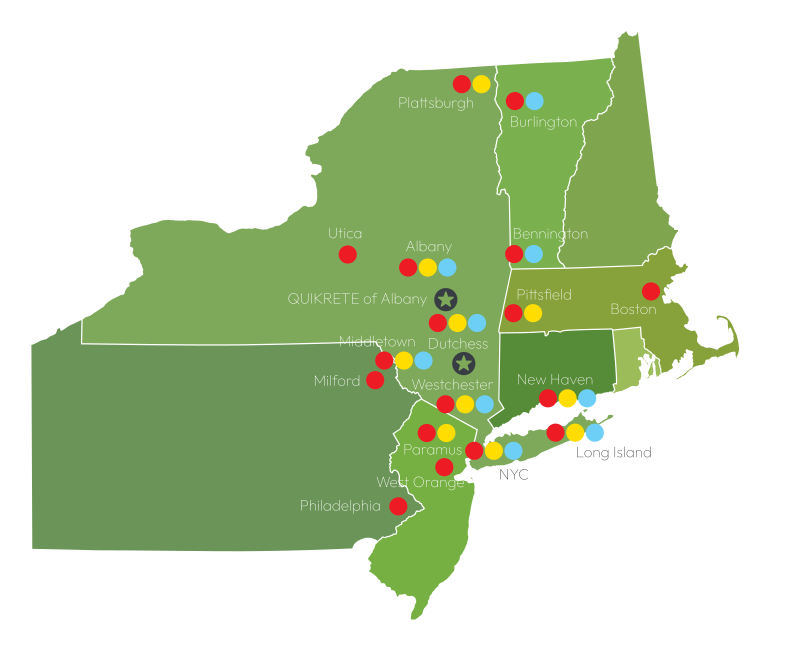
Package Pavement has two convenient locations in Stormville, NY (Dutchess County) and Ravena, NY (Greene County) to serve the Northeastern Region with bagged concrete, blacktop, mortar, and repair products. This map gives a general idea of where we service and the product lines we offer.
Package Pavement Products
Quikrete Products
Spec Mix Products
map

Our Brands Websites