Top Benefits of Low Carbon Concrete for Sustainable Construction?

Low carbon concrete is gaining traction in the construction industry due to its environmental benefits. A report by the Global Concrete and Cement Association states that conventional concrete production contributes 8% of global CO2 emissions. In contrast, low carbon concrete reduces this significantly. This shift is crucial as we address climate change.

Dr. Emily Rogers, an expert in sustainable materials, emphasizes, "Low carbon concrete is not just a trend; it is a necessity for a sustainable future." This material utilizes recycled aggregates and alternative binders, lowering carbon footprints. However, companies sometimes face challenges in sourcing these materials effectively.

The transition to low carbon concrete isn't entirely smooth. There are concerns about performance and cost. Some firms still prioritize traditional options due to perceived risks. Despite these hurdles, the long-term benefits of low carbon concrete cannot be ignored. Building a greener future requires innovation and commitment.

Top Benefits of Low Carbon Concrete for Sustainable Construction?

Benefits of Low Carbon Concrete in Reducing Carbon Footprint

Low carbon concrete is a game changer in sustainable construction. It minimizes carbon emissions during production. Traditional concrete releases significant amounts of CO2. The new formula incorporates recycled materials. This simple shift can lead to a significant reduction in the carbon footprint.

The benefits are impressive but not without challenges. Some engineers note variations in strength and durability. These factors must be carefully considered. However, the environmental gains often outweigh the drawbacks. Reducing carbon emissions contributes to a healthier planet. It aligns with global goals for sustainability and climate action.

Using low carbon concrete can also lead to cost savings. Reduced material waste cuts expenses. Projects can finish faster due to quicker curing times. Awareness of its benefits is growing, but barriers remain. Education and training in new methodologies are essential. The path to widespread adoption requires commitment and ongoing research.

Top Benefits of Low Carbon Concrete for Sustainable Construction

Benefit Description Impact on Carbon Footprint Cost Implications
Reduced Emissions Utilizes alternative materials which lower the CO2 emissions during production. Reduces overall emissions by up to 40% compared to traditional concrete. May have higher initial costs, but savings in carbon taxes can offset these.
Durability Lasts longer than conventional concrete, reducing the need for repairs and replacements. Longer lifecycle minimizes carbon emissions from repair processes. Higher durability can lead to lower lifecycle costs.
Energy Efficiency Better insulation properties reduce heating and cooling needs. Decreases energy consumption resulting in lower carbon emissions over time. Saves money on energy bills, promoting long-term financial benefits.
Recyclability Made from recycled materials, contributing to a circular economy. Lowers the carbon footprint associated with raw material extraction. Reduces costs for raw materials, requiring less virgin material sourcing.
Hydration and Curing Utilizes innovative curing methods that minimize water usage. Reduces water-related emissions and promotes sustainability. Cost-effective as it minimizes water resource dependency.

Enhanced Durability and Longevity of Low Carbon Concrete Structures

Top Benefits of Low Carbon Concrete for Sustainable Construction?

Low carbon concrete is emerging as a game-changer in sustainable construction. Its enhanced durability and longevity set it apart from traditional materials. Structures built using this innovative concrete can last significantly longer. They endure harsh weather conditions and resist wear better than conventional options. This leads to fewer repairs and less waste over time.

Moreover, low carbon concrete possesses unique resilience that many builders are just beginning to appreciate. It handles freeze-thaw cycles well. This capability reduces the risk of cracking. However, not all low carbon mixtures perform the same. Some may require careful monitoring during application, which can introduce challenges. There’s room for growth in understanding the best practices for its use.

The lower carbon footprint is appealing, but it comes with caveats. Long-term performance data is still being compiled. Questions remain about how these materials react in different environments. The construction industry must continue to innovate and reflect on its practices. Embracing low carbon concrete is a step in the right direction but requires an open mind and ongoing research.

Economic Advantages of Using Low Carbon Concrete in Construction

Low carbon concrete is an innovative solution for builders and developers aiming for sustainability. Its use can significantly lower carbon emissions during production. This translates to a smaller environmental footprint compared to traditional concrete. Reduced emissions mean healthier air quality and less impact on climate change.

Economically, low carbon concrete offers various advantages. Initial costs may appear higher, but savings accumulate over time. It often requires less energy for heating and cooling in buildings. Moreover, it improves durability, which reduces maintenance costs. Builders report lower waste during construction, thanks to its flexible formulation. This can lead to budget-friendly projects.

While the benefits are clear, challenges exist. Education and training are vital for effective use. Not all engineers are familiar with low carbon materials yet. The market demand must also grow to encourage wider adoption. Supply chain issues could arise when sourcing new materials. Addressing these concerns requires collaboration across the industry.

Top Benefits of Low Carbon Concrete

Top Benefits of Low Carbon Concrete for Sustainable Construction

Positive Impact of Low Carbon Concrete on Energy Efficiency

Top Benefits of Low Carbon Concrete for Sustainable Construction?

Low carbon concrete offers a significant advantage in enhancing energy efficiency during the construction process. According to a recent report from the World Economic Forum, buildings contribute to approximately 39% of global carbon emissions. By using low carbon concrete, we can significantly reduce this impact. This innovative material reduces carbon emissions by up to 30% compared to traditional concrete.

Energy efficiency goes beyond construction. Buildings made with low carbon concrete require less energy for heating and cooling. A study published in the Journal of Cleaner Production shows that using this material can decrease a building's energy consumption by approximately 20%. This reduction not only lowers operational costs but also minimizes the overall carbon footprint.

However, challenges remain. The production processes may still emit carbon. Ensuring sustainable sourcing of raw materials is crucial. Some argue that low carbon concrete's performance may not match standard concrete. Testing is essential to address these concerns. Balancing sustainability with structural integrity is a topic for ongoing discussion. The journey towards a greener construction industry is complex and requires continuous innovation.

Innovative Manufacturing Processes for Sustainable Low Carbon Concrete

The rise of low carbon concrete is reshaping the construction landscape. Innovative manufacturing processes are at the heart of this change. These methods reduce carbon emissions significantly, making a positive impact. One notable approach is using alternative materials, like recycled aggregates. This not only lowers the carbon footprint but also promotes waste reduction.

Another trend involves developing new binding agents. Traditional cement production is energy-intensive. By exploring bio-based or geopolymers, we can create more sustainable options. However, challenges remain. The performance of these materials must be consistently improved. Not all alternative solutions provide the same strength or longevity.

Moreover, the industry faces a skill gap. Many construction workers need training to adopt these innovative techniques. Education and awareness are crucial for success. Partnerships among architects, engineers, and researchers can drive meaningful progress. While the path to widespread adoption is fraught with hurdles, the potential benefits of sustainable low carbon concrete are worth pursuing.

Find the Right Repair Product for Your Project

Need to find the most appropriate product for the needs of your project? We can help because we have over 70 years of experience servicing the industry with every kind of project, from Do-it-yourself projects to large skyscrapers. Package Pavement has the experience, the knowledge and the products to help every project succeed.
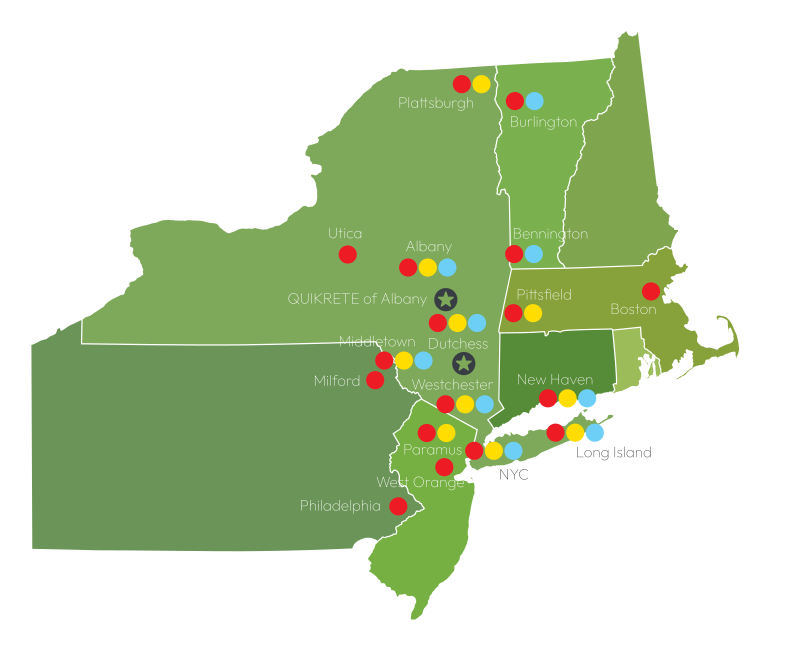
Quikrete Repair Products
Legend
Package Pavement has two convenient locations in Stormville, NY (Dutchess County) and Ravena, NY (Greene County) to serve the Northeastern Region with bagged concrete, blacktop, mortar, and repair products. This map gives a general idea of where we service and the product lines we offer.
Package Pavement Products
Quikrete Products
Spec Mix Products
map

Our Brands Websites