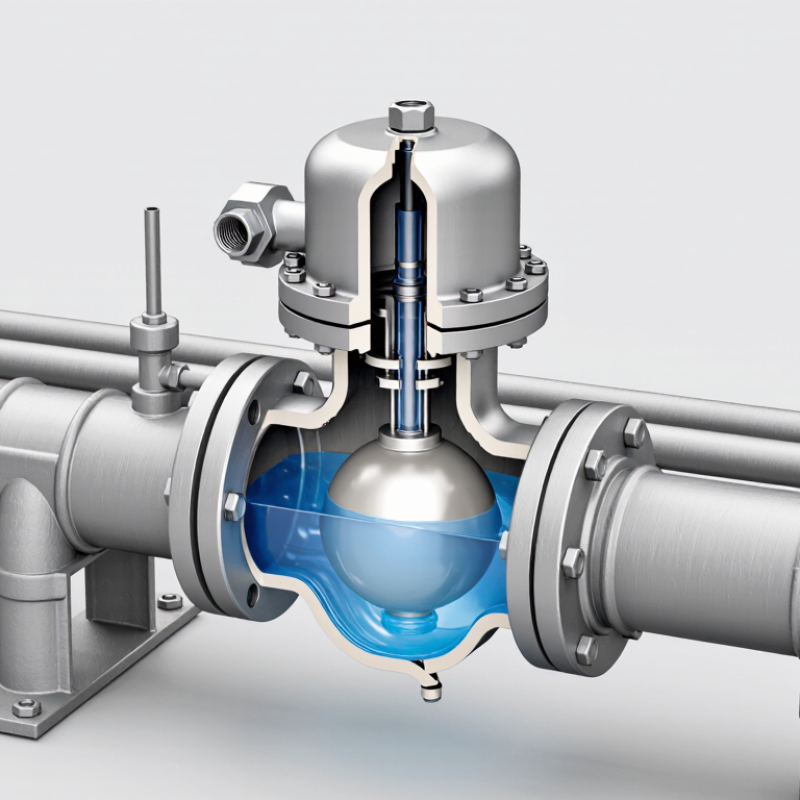
| Purpose | Removes trapped air from liquid pipelines and, depending on the valve design, may also admit air when a line drains or pressure falls. | Air pockets can restrict flow, reduce hydraulic efficiency, and contribute to pressure fluctuations or operational problems. | Select the valve type according to the pipeline’s filling, operating, and draining conditions. |
| Air-release valve | Uses a float-operated mechanism and a relatively small orifice to discharge accumulated air while the pipeline remains pressurized. | As air collects in the valve body, the liquid level falls and the float lowers, opening the orifice. Incoming liquid raises the float and closes it. | Typically installed at locations where air accumulates, such as pipeline high points, subject to system design. |
| Air/vacuum valve | Has a larger opening designed to release substantial air during pipeline filling and admit air during draining or vacuum conditions. | The float moves with the liquid level to open or close the larger port. This valve type is not generally intended to vent small air pockets continuously under normal pressurized operation. | Use where air must enter or leave quickly, as determined by filling, draining, and pressure-transient requirements. |
| Combination air valve | Combines large-orifice air/vacuum operation with small-orifice air-release operation in one assembly. | Provides for bulk air movement during filling or draining and the release of accumulated air during pressurized operation. | Confirm the valve’s capacities and configuration are appropriate for the pipeline and application. |
| Common applications | Water transmission and distribution pipelines, irrigation systems, and other liquid conveyance systems. | Air valves are used to manage air at high points and at other locations identified by hydraulic analysis or system design. | For wastewater or corrosive fluids, choose a design and materials suitable for the fluid, gases, and service conditions. |
| Typical installation location | Often installed at pipeline summits, long rising sections, changes in slope, or other locations specified by the system designer. | Air tends to collect at high points, but the best location depends on pipeline profile, operating conditions, and valve function. | Provide a suitable connection and access for inspection. Follow the valve’s installation instructions and applicable engineering requirements. |
| Installation orientation | Many air valves are designed for upright installation on a vertical connection. | Correct orientation allows the float and internal mechanism to move as intended. | Install in the specified orientation; do not assume a valve can operate correctly when tilted or mounted horizontally. |
| Isolation and discharge | An isolation valve may be provided below the air valve, and the outlet may need to be piped to a suitable discharge point. | Isolation can support servicing. A routed outlet can help manage discharged air or fluid, depending on the installation. | Ensure isolation valves are in the correct operating position. Design discharge piping to avoid blockage and unsafe conditions. |
| Sizing considerations | Selection depends on pipeline diameter and profile, filling and draining rates, operating pressure, and required air-flow capacity. | An incorrectly selected valve may not release or admit air at the rate needed by the system. | Use project calculations and valve performance data; do not size a valve solely by matching the pipeline connection size. |
| Routine inspection | Check for leakage, blocked outlets, corrosion, damaged fittings, and signs that the float or mechanism is sticking. | Dirt, deposits, or wear can interfere with sealing and movement. | Set inspection frequency according to the operating environment and maintenance plan, and follow safe isolation procedures. |
| Maintenance | Cleaning, inspection of internal parts, and replacement of worn seals or components may be required. | Maintenance needs vary with fluid quality, operating conditions, and valve construction. | Depressurize and isolate the valve before servicing. Use the applicable maintenance instructions and approved replacement parts. |
| Safety considerations | Air valves connect to pressurized pipelines and may release air or liquid during operation or service. | Unexpected discharge, pressure, or fluid exposure can create hazards. | Use suitable pressure-rated equipment, provide safe access, and follow site procedures and applicable codes. |