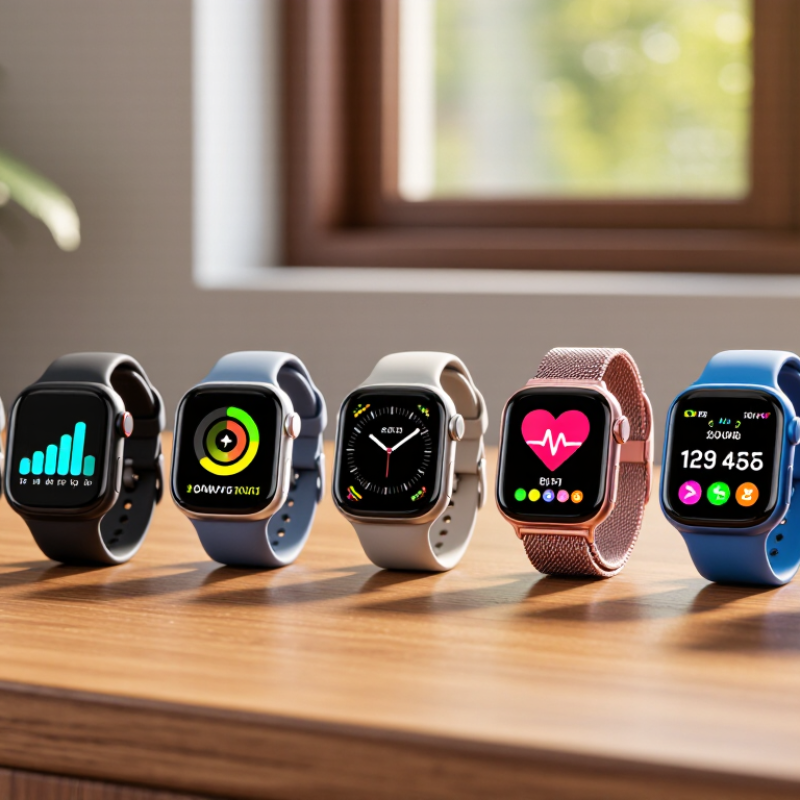
| Compact iOS-first watch (2nd generation) | About 18 hours per charge under typical use; plan on daily charging. | Works with compatible iOS phones; not designed for Android phones. | Heart-rate alerts, irregular-rhythm notifications, sleep-stage tracking, fall detection, and crash detection. No ECG or blood-oxygen sensor. | Built-in GPS; suitable for walking, running, and other everyday workouts. | People who want a familiar smartwatch experience and safety features in a smaller, lower-cost model. |
| 40 mm Android health watch | Rated for up to about 40 hours with the always-on display off; actual use can be shorter. | Compatible with Android phones; not compatible with iOS phones. | Heart-rate tracking, sleep analysis, ECG, blood-pressure measurement, and body-composition estimates. Some tools require a compatible phone, regional availability, or calibration. | Built-in GPS and a broad selection of workout modes. | Android users who want advanced health measurements at a lower price than premium models. |
| Large-screen entry-level GPS watch | Up to about 10 days in typical use; continuous GPS use can reduce this to roughly 26 hours. | Compatible with Android and iOS phones through a companion app. | Heart-rate, blood-oxygen, stress, sleep, and basic activity tracking. No ECG. | Built-in GPS; offers guided workout options and common activity profiles. | Budget-minded buyers looking for a large display, GPS, and a broad set of everyday tracking tools. |
| Everyday wellness watch with built-in GPS | Rated for 6 or more days; frequent GPS and screen use will shorten runtime. | Compatible with supported Android and iOS phones; some features depend on the companion app. | Continuous heart-rate tracking, sleep scores, stress tools, and overnight blood-oxygen estimates. No ECG. | Built-in GPS for outdoor walks and runs; includes automatic activity recognition. | People who prioritize simple wellness summaries and several days between charges. |
| Entry-level running watch (55-series profile) | Up to about 2 weeks in smartwatch mode or 20 hours in GPS mode, according to the rated figures. | Compatible with Android and iOS phones for syncing and notifications. | Heart-rate, sleep, stress, respiration, and energy-reserve estimates. No ECG or blood-pressure measurement. | Built-in GPS; includes running guidance, pace alerts, and multiple sport profiles. | Runners who value dependable GPS and long battery life over a feature-rich app store. |
| Slim fitness watch with bright rectangular display | Up to about 10 days; around 7 days is a more typical-use estimate. GPS workouts shorten runtime. | Compatible with supported Android and iOS phones. | Heart-rate, blood-oxygen, sleep, stress, and menstrual-cycle tracking. No ECG. | Built-in GPS and a range of workout modes; suitable for casual training and daily activity. | Buyers seeking a lightweight design, a clear display, and multi-day battery life. |
| Affordable watch with built-in GNSS | Rated for up to about 18 days in typical use, with shorter life under heavy use; continuous GPS runtime is about 18 hours. | Compatible with supported Android and iOS phones. | Heart-rate, blood-oxygen, sleep, and stress tracking. No ECG. | Built-in satellite positioning for outdoor activity tracking; includes multiple sport modes. | Shoppers who want long time between charges and standalone location tracking at a budget price. |