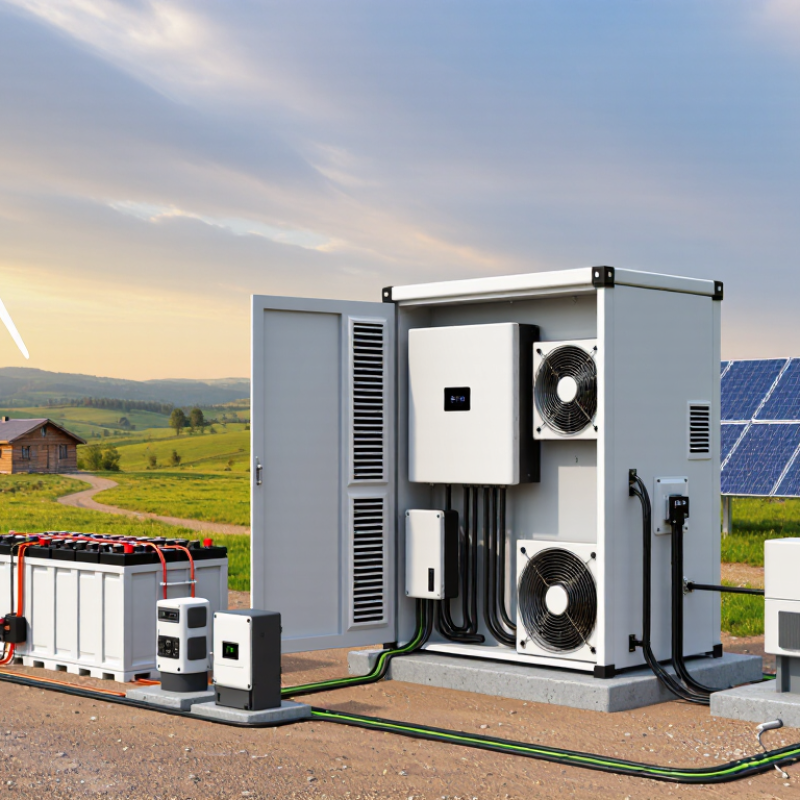
2026 Top Off Grid Wind Power Inverter for Global Buyers?

Choosing a 2026 Off Grid Wind Power Inverter is not just a matter of comparing wattage and price. Global buyers need to match the inverter to their turbine, battery bank, expected loads, and local electrical conditions. Wind is rarely steady. A gust can raise output quickly, while a calm stretch may leave batteries waiting for charge. The system must handle both.

A useful comparison starts with the turbine’s output range and the inverter’s continuous and surge ratings. Buyers should also confirm battery voltage, charging controls, and compatibility with any solar equipment in a hybrid setup. Wind systems may need a suitable rectifier, charge controller, braking method, and dump load; these parts should be checked as a complete system, not treated as optional extras. Small details matter. Cable length, enclosure protection, cooling, and service access can affect reliability in a remote cabin or farm. Product labels alone cannot prove performance, so review technical documentation, test conditions, warranty terms, and available support before purchasing. Requirements vary by site and market, and qualified local installers can help verify that a design meets applicable standards. There is no perfect model for every buyer. A lower-cost unit may suit modest loads, yet offer fewer monitoring or protection features. That trade-off deserves a closer look. This guide compares leading options and practical selection criteria, while recognizing that published specifications do not replace real operating data. Check assumptions against your own wind resource, seasonal demand, and battery plan before deciding.

2026 Top Off Grid Wind Power Inverter for Global Buyers?

What an Off-Grid Wind Power Inverter Does

2026 Top Off Grid Wind Power Inverter for Global Buyers?

An off-grid wind power inverter helps turn a turbine’s variable electrical output into usable AC power for household appliances. Wind turbines commonly produce variable-frequency electricity, which a compatible controller and rectifier manage before battery charging. The inverter then draws power from the battery and supplies steady voltage and frequency to connected loads. It does not create energy, and its output depends on wind, turbine capacity, battery condition, and system design. A refrigerator starting at night may need more power briefly than its running label suggests. Check both continuous and surge ratings.

Tips: Match the inverter to the battery voltage and turbine system. Confirm that the charge controller, braking method, and diversion load are designed for that turbine. Leave room for wiring losses and cold-weather battery limits. A qualified installer can check grounding, overcurrent protection, and cable sizing.

The system can still feel fussy: wind rises and falls, while household demand does not. That mismatch is easy to underestimate. Review local wind data and daily energy use before choosing equipment, and follow the manufacturer’s technical instructions. A smaller, carefully matched setup may perform more reliably than oversized equipment with incompatible controls.

How Wind Inverters Convert and Manage Power

2026 Top Off Grid Wind Power Inverter for Global Buyers?

How Wind Inverters Convert and Manage Power

A wind turbine does not produce steady household electricity. Its voltage and frequency change as the blades speed up or slow down. In many off-grid systems, a rectifier converts the turbine’s variable output into direct current. A charge controller then manages power flowing to the battery, while the inverter converts stored DC power into AC for compatible appliances. Wind is uneven. That matters.

Good power management depends on more than conversion. The inverter must match the battery voltage and handle the expected continuous load, plus brief surges from equipment such as a refrigerator or water pump. A turbine-specific controller may also direct excess energy to a diversion load when batteries are full. This protects the system from unmanaged surplus, but its setup must suit the turbine and battery. A mismatch can cause faults or unnecessary wear.

At a remote cabin, a kettle switched on during a lull may draw more power than the turbine is producing. The battery bridges that gap, provided it has enough capacity and the inverter can handle the surge. Check operating limits, protection features, and system compatibility in the technical documentation. One detail is easy to overlook: cloudy weather does not stop wind, but calm weather can. Sizing still involves a little guesswork.

2026 Top Off Grid Wind Power Inverter for Global Buyers? - How Wind Inverters Convert and Manage Power

A practical guide to off-grid wind power conversion, system selection, and safe power management. Values described as typical or illustrative vary by turbine, inverter design, site conditions, and local electrical requirements.

System Dimension Typical Data or Range How It Works / Selection Guidance
Wind turbine output Variable-frequency AC from many permanent-magnet turbines; some systems provide DC output. Turbine voltage and frequency change with rotor speed and wind conditions. Confirm the turbine’s electrical output and power curve before choosing conversion equipment.
AC-to-DC conversion A turbine-compatible rectifier converts variable AC to DC where required. The rectifier’s current and voltage ratings must suit the turbine. It is commonly installed as part of, or alongside, a wind charge controller.
Wind charge control Controller ratings are selected for the turbine’s maximum electrical output and system voltage. The controller manages battery charging and may use diversion control. Wind turbines generally need turbine-specific control; a solar-only MPPT controller is not automatically suitable.
Battery bus voltage Common off-grid nominal battery banks include 12 V, 24 V, and 48 V DC. Choose an inverter that matches the battery bank’s nominal voltage. Higher-voltage battery systems generally reduce DC current for the same power, but all components must be compatible.
Battery charging and storage Lead-acid and lithium battery systems are used in off-grid installations; charging limits are battery-specific. Set charge voltage, current limits, and temperature compensation according to the battery manufacturer’s specifications. Confirm that the controller and inverter support the selected battery chemistry and protection requirements.
DC-to-AC inversion Common single-phase AC outputs include 120 V at 60 Hz and 230 V at 50 Hz; regional standards differ. The inverter converts battery DC into regulated AC for loads. Buyers should verify output voltage, frequency, waveform, grounding arrangements, and applicable local electrical standards.
Continuous and surge capacity Continuous output is stated in watts or kilowatts; short-duration surge capability is specified separately. Size for the expected simultaneous load and motor-starting or compressor-starting demand. Check how long the inverter can supply its stated surge power.
Conversion efficiency Many inverter designs publish peak efficiency figures in the low-to-mid 90% range; actual efficiency varies with load and operating conditions. Compare efficiency curves at realistic operating loads, not only peak efficiency. Standby consumption also matters in small off-grid systems.
Excess-wind energy management A compatible diversion load or other approved turbine-control method may be required when batteries are full. Wind turbines cannot simply be left electrically unloaded in many system designs. Follow the turbine and controller instructions for braking, diversion, and safe shutdown.
Protection and monitoring Common protections include over-temperature, over-current, low-battery, and short-circuit protection; features vary by model. Confirm required DC disconnects, over-current protection, grounding, surge protection, and monitoring functions for the complete installation.
Illustrative power path Wind turbine → rectifier (if required) → wind charge controller → battery bank → off-grid inverter → AC loads. Some systems integrate multiple functions, but the turbine, controller, battery, and inverter must still be electrically compatible as a complete system.
Global buyer checks Verify local AC voltage and frequency, grid-isolation requirements, environmental ratings, service access, and applicable certification. For off-grid use, confirm that the inverter is designed for standalone operation. A grid-tied inverter alone does not normally provide backup power when the utility supply is unavailable.
Note: The table gives general selection guidance, not a site-specific design. Final component ratings and protection methods should be checked against the turbine, battery, inverter, installation conditions, and local electrical code.

Key Specifications for Comparing Inverters in 2026

For global buyers, an off-grid wind inverter should be matched to the turbine, battery bank, and local loads—not chosen by peak watts alone. The IEA’s Renewables 2024 report projects nearly 5,500 GW of renewable capacity additions worldwide by 2030, with wind contributing about 17%. That growth makes clear specifications increasingly important. Compare continuous AC output, short-term surge capacity, DC input range, and output voltage and frequency. Check whether the inverter accepts the turbine’s rectified output and works with its charge controller and diversion-load system.

Efficiency figures need context. Ask for weighted efficiency across realistic loads, not just a best-case laboratory number. Confirm battery voltage and chemistry support, low-voltage cutoffs, overload behavior, and protection against dust, moisture, and heat. A 5 kW label can mislead if the unit derates sharply in a hot equipment shed. Also check waveform quality and the manufacturer’s test conditions. Some listings omit these details; that is worth questioning.

Tips: Compare the continuous rating with your measured peak load, then leave headroom for motor starts. Request temperature-derating and efficiency curves. Verify that protective controls coordinate with the turbine and battery. A tidy specification sheet is useful, but it cannot replace a site-specific wind assessment.

Matching Inverters with Turbines, Batteries, and Loads

Choosing an off-grid wind power inverter starts with the turbine’s real output, not its advertised peak wattage. Check voltage, current, and the turbine’s operating curve across different wind speeds. A turbine may produce little in calm weather, then surge during a gust. The inverter must suit the battery system and work with the appropriate charge controller and diversion load. Small details matter.

Match the inverter’s DC input range to the battery bank’s nominal voltage. Confirm that its charging settings suit the battery chemistry and that protective cutoffs are configurable. Undersized cables can cause voltage drop; loose connections may heat under sustained current. These are easy details to overlook. A tidy specification sheet cannot replace careful installation checks.

Then list the loads that must run together, such as a refrigerator, water pump, and evening lights. Compare their continuous demand with the inverter’s rating, and check its short-term surge capacity for motor starts. Allow headroom, but avoid buying capacity that the system rarely uses. For global buyers, verify output voltage, frequency, and local service access before ordering. One imperfect estimate can affect the whole setup, so measure actual loads where possible.

Global Buying Factors: Safety, Standards, and Support

For global buyers, an off-grid wind inverter must suit the turbine, battery, and local electrical conditions. Check its operating voltage range and how it handles changing wind input. Ask whether it needs a compatible charge controller or dump load. Small mismatches can cause poor performance or equipment stress. Details matter.

Safety claims need supporting documents, not just a product page. Request current test reports, installation instructions, and clear ratings for temperature, moisture, and overload protection. Standards and certification requirements differ by market, so confirm what applies with a qualified local installer or inspection authority. A certificate alone does not prove that a complete system is properly designed. Ask for evidence.

Support can determine whether a small fault becomes a long outage. Before ordering, ask who handles technical questions, what diagnostic information they need, and whether replacement parts are available in your region. Check warranty terms, response times, and language options in writing. I would not assume a low purchase price means a low lifetime cost; shipping delays and unclear troubleshooting can change that calculation. Still, more paperwork is not always better. Focus on documents that answer practical questions.

Find the Right Repair Product for Your Project

Need to find the most appropriate product for the needs of your project? We can help because we have over 70 years of experience servicing the industry with every kind of project, from Do-it-yourself projects to large skyscrapers. Package Pavement has the experience, the knowledge and the products to help every project succeed.

Quikrete Repair Products
Legend
Package Pavement has two convenient locations in Stormville, NY (Dutchess County) and Ravena, NY (Greene County) to serve the Northeastern Region with bagged concrete, blacktop, mortar, and repair products. This map gives a general idea of where we service and the product lines we offer.
Package Pavement Products
Quikrete Products
Spec Mix Products
map

Our Brands Websites