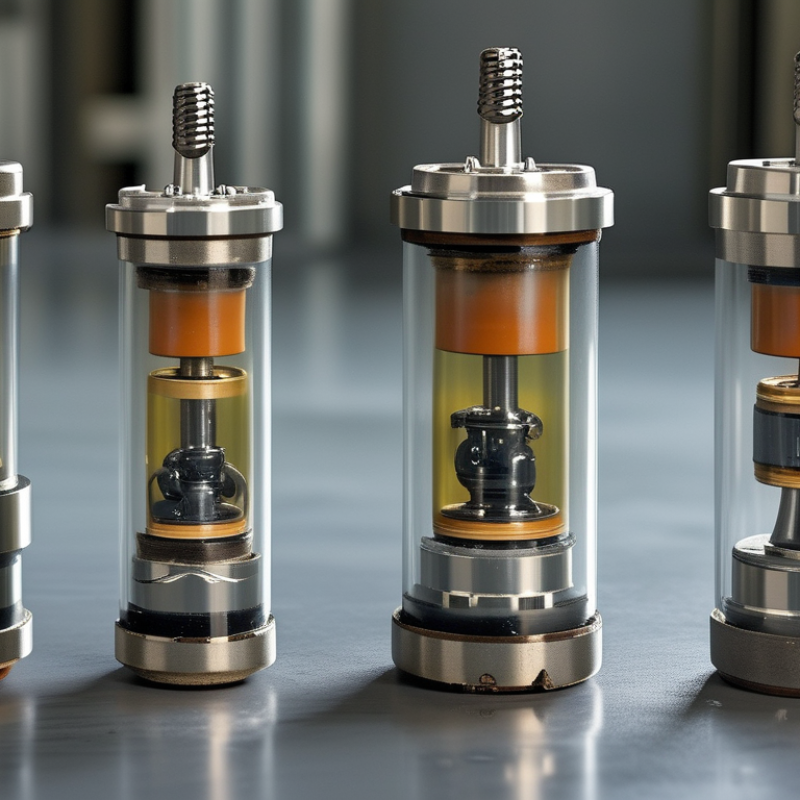
| Single Pusher Seal | A spring-loaded secondary seal moves axially along the shaft or sleeve to maintain face contact. | Moderate pressure and temperature; commonly used where the process fluid is clean and compatible with the elastomer. | General chemical pumps, water-treatment chemicals, mild acids, dilute alkalis, and non-crystallizing liquids. | Simple design, broad availability, straightforward maintenance, and relatively low initial cost. | Sliding elastomers may hang up because of crystallization, solids, corrosion products, or shaft deposits. | Fluid cleanliness, elastomer compatibility, shaft condition, and face material pairing. |
| Non-Pusher Bellows Seal | A rubber, elastomer, or metal bellows provides secondary sealing without sliding along the shaft. | Useful for low-to-moderate pressure services and fluids that can cause deposits on sliding components. | Corrosive liquids, wastewater chemicals, abrasive-free slurries, and services with shaft or sleeve wear concerns. | No dynamic O-ring movement, good tolerance of minor shaft damage, and reduced risk of secondary-seal hang-up. | Bellows fatigue, pressure limitations, and restricted compatibility of elastomeric bellows with aggressive chemicals. | Bellows material, pressure reversal risk, temperature, chemical concentration, and face cooling. |
| Balanced Mechanical Seal | The hydraulic closing area is reduced so face loading is less sensitive to process pressure. | Preferred for higher-pressure, higher-temperature, or lower-lubricity chemical services. | Solvents, concentrated acids or alkalis, hot transfer fluids, and process pumps with elevated discharge pressure. | Lower face loading, reduced heat generation, and better suitability for demanding pressure conditions. | More demanding installation requirements and greater sensitivity to poor alignment, vibration, or dry running. | Pressure, speed, vapor pressure margin, face lubrication, and equipment alignment. |
| Unbalanced Mechanical Seal | A larger effective closing area produces higher face loading as process pressure increases. | Generally suited to lower-pressure, moderate-speed, clean-fluid services. | Utility water, dilute chemical solutions, low-pressure circulation, and simple transfer duties. | Simple geometry, economical replacement, and easy integration into standard pump arrangements. | Higher face loading can increase friction, heat, wear, and leakage at elevated pressure or speed. | Maximum pressure, shaft speed, heat generation, and process-fluid lubricity. |
| Double Mechanical Seal | Two seal faces are arranged inboard and outboard with a barrier or buffer fluid between them. | Suitable when emissions control, hazardous-fluid containment, or face lubrication is critical. | Toxic, flammable, volatile, highly corrosive, polymerizing, crystallizing, or poorly lubricating chemicals. | Significantly improves containment and can protect seal faces from damaging process conditions. | Higher cost, more auxiliary equipment, increased energy consumption, and more complex monitoring. | Barrier-fluid pressure, leakage detection, cooling, regulatory requirements, and safe failure behavior. |
| Cartridge Mechanical Seal | The seal faces, springs, gland, and secondary seals are preassembled on a sleeve or cartridge. | Available for low- to high-duty applications, depending on the selected face, metal, and elastomer materials. | Chemical-process pumps where repeatable installation, reduced maintenance time, and alignment control are important. | Fast installation, fewer assembly errors, consistent spring compression, and easier replacement. | Higher purchase cost and possible dimensional restrictions in older or compact equipment. | Equipment dimensions, cartridge fit, operating envelope, maintenance access, and spare-parts strategy. |
| Metal Bellows Seal | A welded metal bellows provides spring force and secondary sealing without a dynamic elastomer. | Well suited to elevated temperatures and fluids that attack or harden conventional elastomers. | Hot chemicals, aggressive solvents, thermal fluids, high-purity services, and applications requiring minimal elastomer exposure. | High-temperature capability, low friction, and good resistance to elastomer swelling or chemical degradation. | Higher cost, bellows fatigue risk, sensitivity to over-compression, and strict material-selection requirements. | Bellows alloy, temperature cycling, pressure, corrosion rate, and axial movement limits. |
| Split Mechanical Seal | Seal components are divided into sections so the seal can be installed without removing the shaft or major equipment components. | Typically selected for moderate-duty equipment where downtime and dismantling are major concerns. | Large chemical pumps, cooling-water systems, circulation equipment, and difficult-to-access installations. | Shorter maintenance time and lower labor requirements for large or difficult-to-disassemble machinery. | More installation-sensitive, potentially larger leakage paths, and limited suitability for very high pressures or speeds. | Shaft condition, assembly cleanliness, split-line integrity, runout, pressure, and speed. |
| Agitator or Mixer Seal | A seal arrangement designed for axial movement, reversing rotation, low speed, or top-entry and side-entry mixer shafts. | Application-specific; pressure, speed, vacuum, and shaft movement must be evaluated together. | Reactors, blending vessels, crystallizers, fermentation equipment, and chemical-storage mixers. | Designed for mixer dynamics, vessel pressure, vacuum service, and demanding product-containment requirements. | Complex design, sensitivity to shaft deflection and vibration, and frequent need for auxiliary lubrication or barrier systems. | Shaft motion, vessel pressure or vacuum, agitator speed, product solids, and hygienic or emissions requirements. |