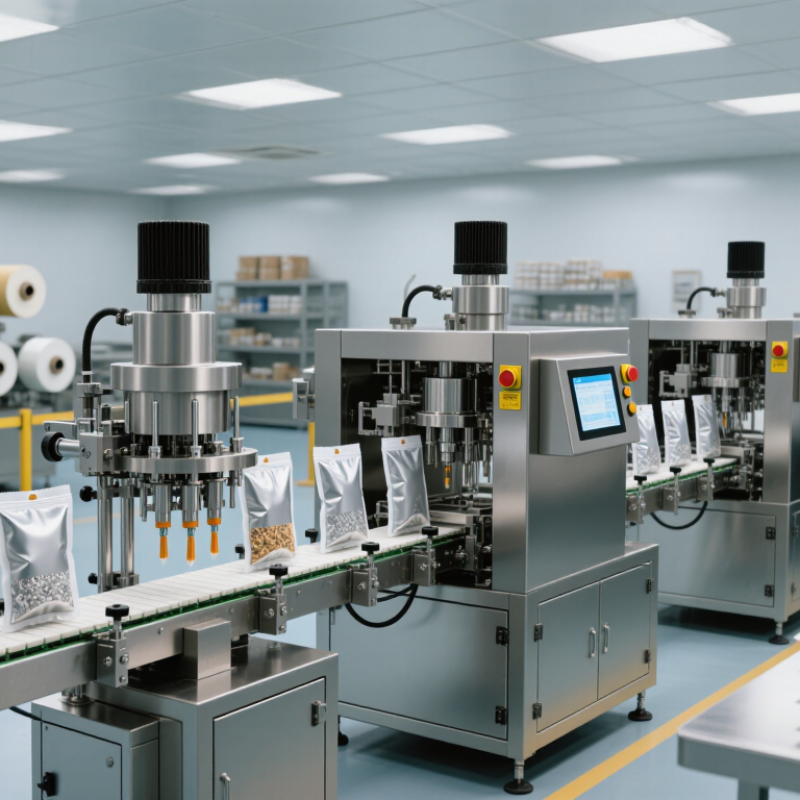
2026 Top Pouch Machinery Suppliers for Global Buyers

The global pouch sector is entering 2026 with strong demand for flexible, lightweight, and shelf-efficient packaging. Smithers estimates that the global flexible packaging market will continue expanding through 2028, supported by food, beverage, household, and personal-care applications. Mordor Intelligence also forecasts steady growth, although market values differ by methodology and regional coverage. These differences deserve attention.

For international buyers, Pouch Machinery is not simply a purchase of filling and sealing equipment. It is a production decision involving film structure, pouch format, speed, hygiene, energy use, and after-sales support. PMMI reports that automation, labor efficiency, and flexible production remain major packaging investment priorities. A capable supplier should therefore explain servo control, zipper or spout handling, seal inspection, changeover time, and realistic output under operating conditions.

Details matter on the factory floor. A machine may advertise 120 pouches per minute, yet actual output can fall with thin film, frequent size changes, or difficult seal layers. Request factory acceptance tests, sample production videos, spare-parts plans, and commissioning records. Confirm compatibility with food-contact requirements and applicable machinery safety standards in the destination market. No ranking can be perfect. Supplier performance may change after installation, especially when local technical support is weak. This 2026 guide compares leading Pouch Machinery suppliers through measurable capabilities, documented experience, regional service coverage, and buyer-relevant evidence. It also recognizes uncertainty, because published market data rarely tells the whole purchasing story.

2026 Top Pouch Machinery Suppliers for Global Buyers

Pouch Machinery: Definition, Functions, and Main Equipment Types

Pouch machinery converts flexible film or pre-made bags into sealed packages. It can unwind material, shape a pouch, measure products, fill compartments, and create reliable seals. Typical applications include snacks, powders, sauces, grains, and household goods. The machine must protect product quality while maintaining consistent output.

Main equipment types include vertical form-fill-seal systems, horizontal pouch machines, and pre-made pouch fillers. Vertical systems suit many free-flowing products and use limited floor space. Horizontal systems handle delicate items and shaped packs more gently. Pre-made pouch machines offer attractive formats, zippers, spouts, and easy size changes. Supporting equipment may include auger fillers, multihead weighers, liquid pumps, date coders, metal detectors, and checkweighers.

Field commissioning shows that sealing performance depends on more than speed. Film tension, temperature, pressure, and dwell time must work together. Small errors multiply. Buyers should request sample trials using their actual film and product. They should also inspect changeover time, cleaning access, spare-part availability, safety documentation, and remote technical support. A polished brochure can still hide difficult maintenance. I would verify every claim through factory acceptance testing and recorded production data. Measure twice. No machine is perfect. A practical supplier explains limitations clearly, provides training, and adapts controls to local operating conditions.

2026 Top Pouch Machinery Suppliers for Global Buyers - Pouch Machinery: Definition, Functions, and Main Equipment Types
Equipment Type Primary Function Common Pouch Formats Typical Output Range Suitable Product Categories Key Selection Criteria
Vertical Form-Fill-Seal Machine Forms a pouch from roll-stock film, fills the product, and seals the package in a continuous vertical process. Pillow, gusseted, block-bottom, quad-seal, and center-seal bags Approximately 20–120 bags/minute Snacks, grains, powders, pet food, frozen food, and small hardware Product flowability, dosing accuracy, film structure, pouch dimensions, and required sealing temperature
Horizontal Form-Fill-Seal Machine Creates and seals pouches horizontally, making it suitable for products that are delicate, irregular, or difficult to drop vertically. Three-side seal, four-side seal, stick packs, and flat sachets Approximately 30–200 bags/minute Bakery products, medical items, wipes, confectionery, cosmetics, and single-use products Product orientation, sealing pattern, film compatibility, cutting accuracy, and available floor space
Premade Pouch Packing Machine Opens preformed pouches, fills them, removes air when required, and seals the finished package. Stand-up, flat, side-gusset, zipper, spouted, and retort pouches Approximately 10–70 bags/minute Ready meals, sauces, coffee, pet treats, cosmetics, detergents, and specialty foods Pouch opening reliability, pouch size range, zipper handling, changeover time, and sealing control
Multihead Weigher Combines multiple weighments to achieve high-speed, accurate portioning of free-flowing solid products. Used with roll-stock or premade pouch systems Approximately 30–180 weighments/minute Chips, nuts, candy, frozen vegetables, dried fruit, and granular pet food Number of weigh heads, target weight, product density, product fragility, and allowable giveaway
Auger Filler Measures and dispenses powders using a rotating screw, supporting controlled filling of products with varying bulk density. Flat, pillow, stand-up, and stick-pack pouches Approximately 15–100 fills/minute Flour, spices, milk powder, coffee, pharmaceuticals, and chemical powders Powder characteristics, dust control, auger size, filling accuracy, and cleaning requirements
Volumetric Cup Filler Measures products by volume through adjustable cups before transferring them into the pouch. Pillow, gusseted, and block-bottom bags Approximately 20–100 fills/minute Rice, pulses, seeds, sugar, salt, pasta, and other free-flowing granules Product consistency, target volume, density variation, cup adjustment range, and cleaning access
Liquid and Paste Filler Uses piston, pump, or time-pressure filling technology to dispense liquids and viscous products into pouches. Spouted, stand-up, flat, and sachet pouches Approximately 20–100 fills/minute Sauces, beverages, detergents, creams, gels, oils, and personal-care products Viscosity, temperature, foaming tendency, hygienic design, nozzle type, and drip prevention
Continuous Band Sealer Continuously seals the open top of filled pouches using heated sealing belts or wheels. Open-mouth laminated, polyethylene, and foil-lined bags Approximately 8–30 metres/minute Powders, snacks, agricultural products, chemicals, and general dry goods Film thickness, seal width, sealing temperature, conveyor load, and optional gas-flushing capability
Zipper and Spout Application Unit Applies resealable zippers or fitments to flexible packaging before or during pouch formation. Resealable stand-up, spouted, and refill pouches Approximately 20–100 pouches/minute Pet food, coffee, sauces, detergents, beverages, and household refills Component dimensions, application accuracy, seal integrity, material compatibility, and cleaning requirements
Gas-Flushing and Vacuum-Packing System Reduces oxygen or removes air before final sealing to improve product protection and package appearance. Flat, pillow, stand-up, and high-barrier laminated pouches Approximately 15–80 bags/minute Coffee, nuts, meat products, snacks, cheese, and oxygen-sensitive ingredients Residual oxygen target, gas type, product porosity, seal quality, and vacuum level
Checkweigher and Metal Detector Checks package weight and detects ferrous, non-ferrous, or stainless-steel contaminants before case packing. Most sealed pouch formats Approximately 30–200 packs/minute Food, pharmaceuticals, personal care, and regulated consumer goods Product effect, target sensitivity, reject mechanism, line speed, data recording, and compliance requirements
Vision Inspection System Uses cameras and image-processing software to inspect print registration, pouch presence, seal condition, coding, and defects. Printed roll-stock and premade pouches Approximately 30–200 packs/minute Food, medical packaging, cosmetics, pharmaceuticals, and premium consumer products Inspection points, camera resolution, lighting, code readability, reject accuracy, and data connectivity
Case Packer and Cartoning Machine Groups filled pouches and loads them into cartons or shipping cases for secondary packaging and distribution. Individual pouches, multipacks, cartons, and display-ready cases Approximately 10–120 cases/minute Retail food, household products, personal care, pharmaceuticals, and pet products Pack pattern, case dimensions, product orientation, changeover requirements, and downstream conveyor layout

Key Factors for Selecting a Pouch Machinery Supplier in 2026

Key Factors for Selecting a Pouch Machinery Supplier in 2026

Pouch demand is expanding, but higher demand does not justify choosing equipment by price alone. Smithers forecasts continued growth in global flexible packaging through 2028, driven by lightweight formats and improved material efficiency. Buyers should examine sealing consistency, filling accuracy, film compatibility, and verified production speed. A fast machine can still be the wrong machine.

Supplier experience matters on the factory floor. Ask for test runs using your actual pouch film, product texture, and target filling weight. Review changeover time, reject rates, OEE records, and cleaning access. PMMI industry reports identify labor shortages and automation investment as major packaging priorities, so intuitive controls and remote diagnostics deserve careful attention. Keep it practical.

Service reliability often separates strong suppliers from attractive brochures. Check technician response times, spare-parts availability, training quality, and support across your operating regions. Request documented acceptance criteria before signing. Total cost includes installation, utilities, consumables, software updates, and lost production during faults. I would not trust projected output without production evidence. Sustainability also needs scrutiny: lighter films may reduce material use, yet difficult-to-run structures can increase waste. The best supplier should explain that trade-off clearly, even when the answer is inconvenient.

Top Pouch Machinery Suppliers for Global Buyers

Top Pouch Machinery Suppliers for Global Buyers

For global buyers, top pouch machinery suppliers offer more than attractive machine speeds. They provide stable filling, accurate sealing, and clear technical support across different production environments. Experienced suppliers should explain suitable pouch formats, film structures, product characteristics, and target output before recommending equipment. A careful evaluation includes seal temperature control, filling accuracy, changeover time, dust management, and cleaning access. Small details matter.

Ask for documented factory acceptance testing before shipment. Request sample pouches filled with your actual product, not a substitute material. Check whether the machine handles your pouch width, zipper style, spout option, or multi-lane requirements. Reliable suppliers share electrical drawings, operating manuals, spare-parts lists, and training plans. Their engineers should communicate clearly across time zones. That is practical authority.

Look closely at after-sales performance. Remote diagnostics can reduce downtime, while local service partners may support urgent repairs. Ask about response times, replacement-part availability, software updates, and installation supervision. A supplier may promise high output, yet real production can slow during film changes or cleaning. That gap deserves attention. I have seen buyers focus on speed and overlook seal consistency, operator safety, and maintenance space. The better decision often comes from balanced testing, transparent limitations, and a written performance agreement. No machine is perfect. Reliable suppliers admit that.

Supplier Comparison: Technology, Capacity, Service, and Pricing

2026 Top Pouch Machinery Suppliers for Global Buyers

Technology should be compared through measurable output, not impressive brochures. Servo-driven pouch machines can improve registration, sealing control, and changeover accuracy. For liquid or powder applications, buyers should inspect dosing stability, film compatibility, and seal-jaw temperature control. A machine rated at 120 bags per minute may produce less after frequent format changes. A faster line is not automatically better.

Capacity claims require careful testing. Smithers’ flexible packaging research forecasts continued global growth through 2029, driven by lightweight formats and convenience packaging. However, report scopes differ, so buyers should request product-specific trial results. Compare actual OEE, reject rates, pouch dimensions, and continuous running hours. A practical acceptance test should use the buyer’s film, filling material, and target pouch size. Laboratory figures can look excellent. Factory conditions are less forgiving.

Service often separates similar suppliers. PMMI’s packaging industry research highlights automation, workforce shortages, and connected equipment as major investment concerns. Remote diagnostics, multilingual training, stocked wear parts, and documented response times deserve commercial weight. Pricing should include installation, utilities, tooling, software, validation, and five-year maintenance. A lower purchase price may hide expensive downtime. I would also challenge unusually high capacity promises; they may depend on ideal materials and experienced operators. That assumption needs evidence.

International Purchasing, Installation, and After-Sales Considerations

International purchasing requires more than comparing pouch machine prices. Smithers’ 2024 flexible packaging report projects the global market will exceed US$300 billion by 2028. Demand is growing, but supplier capability varies sharply. Ask for output data using your actual pouch size, film structure, and filling product. A machine rated for 120 bags per minute may deliver less with heavier materials. That difference affects payback.

PMMI’s 2024 industry report indicates that U.S. packaging machinery shipments remained above US$10 billion in 2023. This scale reflects continued investment in automation and reliable service. Global buyers should verify electrical standards, language support, spare-parts locations, and remote diagnostic options before signing. Installation planning matters too. Confirm foundation drawings, air consumption, operator training, and acceptance tests. A delayed utility connection can stop an otherwise ready machine. Some quotations also exclude commissioning travel, customs clearance, or software updates. Read the exclusions carefully.

Tips: Request a video factory acceptance test with your own film. Keep critical spare parts locally. Require clear response times for technical support. Ask for a written training schedule. Do not rely only on polished sample packs. One practical weakness remains common: buyers sometimes approve a machine before testing difficult materials. That decision can create sealing defects later. An independent packaging engineer or local technician can challenge optimistic claims and improve purchasing reliability.

Find the Right Repair Product for Your Project

Need to find the most appropriate product for the needs of your project? We can help because we have over 70 years of experience servicing the industry with every kind of project, from Do-it-yourself projects to large skyscrapers. Package Pavement has the experience, the knowledge and the products to help every project succeed.

Quikrete Repair Products
Legend
Package Pavement has two convenient locations in Stormville, NY (Dutchess County) and Ravena, NY (Greene County) to serve the Northeastern Region with bagged concrete, blacktop, mortar, and repair products. This map gives a general idea of where we service and the product lines we offer.
Package Pavement Products
Quikrete Products
Spec Mix Products
map

Our Brands Websites