2026 How to Choose an Electrical Plug Lockout?
Choosing the right Electrical Plug Lockout in 2026 requires more than comparing prices and product photos. The device must match the plug shape, cable direction, voltage environment, and workplace routine. A lockout that looks strong may still leave space around the plug. That small gap can create a serious weakness.
Experienced safety teams inspect the actual equipment before ordering. They measure plug dimensions, check whether the plug is straight or angled, and test the lockout with the authorized padlock. The material also matters. Durable polymer can resist impact, while transparent designs may help workers confirm correct placement. Some models support several padlocks, making group maintenance easier. Others fit only specific plug sizes. Compatibility comes first.
A useful selection process also considers labeling, storage, training, and inspection records. Workers should understand how to isolate energy, apply the device, and verify that the plug cannot be reconnected. Local safety requirements and manufacturer instructions should be reviewed before implementation. Requirements can vary by industry and location.
No device is perfect. A careful review may reveal missing measurements or an awkward installation step. That is useful information, not failure. The best choice combines tested fit, visible identification, reliable construction, and practical worker feedback. This guide explains the key questions to ask when selecting an Electrical Plug Lockout, while recognizing that real workplaces are rarely as tidy as product catalogs suggest.
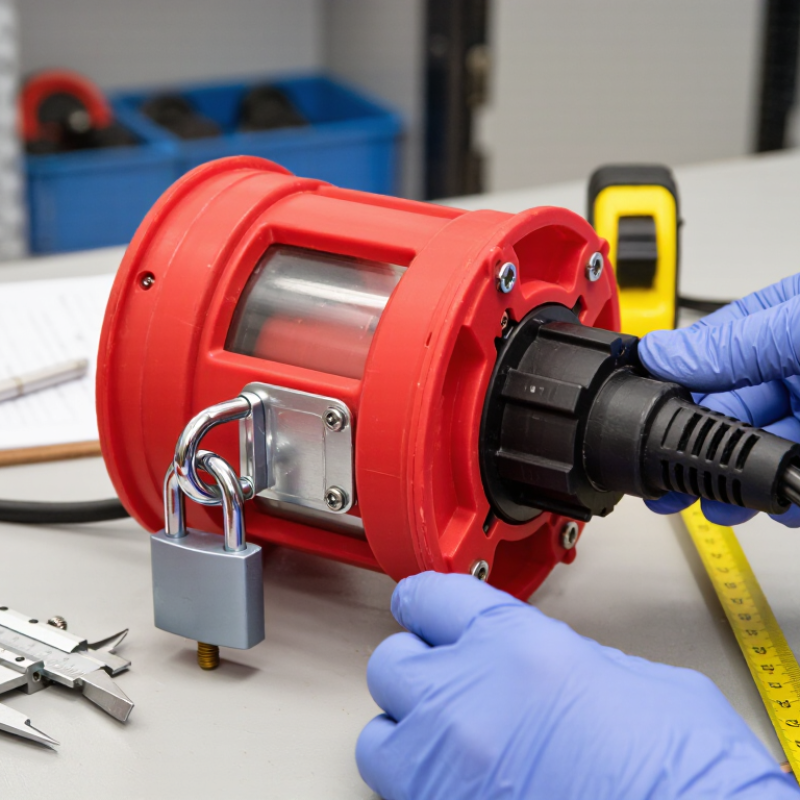
What Is an Electrical Plug Lockout and Why Is It Needed?
An electrical plug lockout is a physical device that encloses a plug and prevents it from entering a socket. It usually includes a lockable cover, strong body, and openings for an approved padlock. The device keeps stored equipment visibly disconnected during maintenance, cleaning, or setup.
It is needed because unplugging alone is not always reliable. Someone may reconnect the plug, or a worker may mistake an idle machine for a safe one. OSHA estimates that effective hazardous-energy control can prevent about 120 deaths and 50,000 injuries each year. The Bureau of Labor Statistics recorded 145 workplace electrical fatalities in 2022. These figures make a small plug enclosure a serious control measure.
A plug lockout is not magic. Workers must still identify the correct energy source, unplug the equipment, and verify zero energy before work begins. NFPA 70E emphasizes an electrically safe work condition and qualified verification. When choosing a plug lockout for 2026, check plug shape, cord diameter, voltage application, locking capacity, visibility, and temperature resistance. A loose cover is a failure waiting to happen. A bulky cover may also create handling problems. In real maintenance areas, the best device is the one workers can install quickly, recognize clearly, and keep locked until the task is complete.
2026 How to Choose an Electrical Plug Lockout?
What Is an Electrical Plug Lockout and Why Is It Needed?
An electrical plug lockout is a safety device that encloses or secures an electrical plug to prevent it from being inserted into a power source during maintenance, cleaning, or repair work.
The chart shows common North American plug ratings that can affect lockout selection. Always confirm the plug’s physical dimensions, cable entry size, voltage, and current rating before choosing a device. A suitable lockout should fully contain the plug, resist removal, and support an authorized lock or tag.
Before work begins, disconnect the plug, apply the lockout, verify that the equipment is de-energized, and follow the applicable hazardous-energy-control procedure.
How to Identify the Plug Type and Lockout Requirements
2026 How to Choose an Electrical Plug Lockout?
Identifying the plug type is the first practical step. Check the plug shape, number of pins, grounding contact, voltage, and current rating. Do not rely on color alone. A damaged label can create confusion. Compare the plug with the equipment manual and site records. Measure the cord diameter when the lockout device requires a specific opening. Also inspect whether the plug can be fully enclosed. Some plugs have bulky bodies or angled designs that need extra clearance.
Lockout requirements depend on the energy source and workplace procedure. The selected device should prevent insertion into an outlet and stop unauthorized reconnection. It must fit securely without crushing the cord or blocking the warning tag. Before installation, an authorized worker should shut down the equipment, isolate the plug, and verify zero energy with suitable test equipment. I have seen teams skip the fit check because the device looked universal. That assumption can fail during an emergency. Recheck compatibility under real conditions.
Tips: Photograph the plug before ordering. Record its pin layout, rating, cord size, and enclosure space. Test the lockout on an unplugged spare when possible. Keep the key controlled by the responsible worker. If the plug type remains unclear, pause the task and consult a qualified electrical professional. A small mismatch matters.
How to Choose the Correct Size and Lockout Design
2026 How to Choose an Electrical Plug Lockout?
How to Choose the Correct Size and Lockout Design
When choosing an electrical plug lockout, begin with the plug itself. Measure its length, width, and body thickness. Check the cord exit position. A plug with a side-facing cord may require a wider enclosure. If the device cannot fully surround the plug, it cannot reliably prevent reconnection. Record these measurements before comparing product specifications. This small step prevents costly trial and error.
Select a design that matches the working environment. A compact enclosure suits standard plugs and limited cabinet space. Larger designs may fit molded plugs, adapters, or heavy-duty cords. Look for a secure closure and a lock hole that accepts the assigned padlock. The lockout should remain closed without depending on tape or loose parts. Choose visible colors when several isolation points exist. Clear identification helps during shift changes. Fit matters most.
Material selection also deserves attention. Impact-resistant plastic can handle routine industrial use, while chemical exposure may require a more suitable compound. Inspect hinges, seams, and locking points before each use. In damp areas, check for corrosion and water entry. Never treat a lockout as proof that energy is absent. An authorized worker should isolate the circuit and verify zero energy with an appropriate tester. I once focused too heavily on enclosure size and overlooked cable flexibility. That mistake showed me that a correct fit includes the plug, cord, and surrounding workspace.
How to Install, Test, and Maintain an Electrical Plug Lockout
Installing, testing, and maintaining an electrical plug lockout requires more than fitting a plastic device over a plug. OSHA estimates that proper hazardous-energy control could prevent about 120 deaths and 50,000 injuries each year. The procedure starts with shutdown notification, followed by disconnecting the plug from its energy source. Confirm that the plug cannot be reinserted. Apply the lockout device and a clearly identified tag. Authorized workers should verify zero energy before servicing.
Testing must be deliberate. Use a properly rated voltage tester on a known live source, check the disconnected circuit, then test the instrument again. This live-dead-live method helps identify tester failure. Never rely on a switch position or a control-panel light. The U.S. Bureau of Labor Statistics recorded 126 fatal occupational injuries involving electrical exposure in 2022, showing why verification cannot become routine guesswork. OSHA’s 29 CFR 1910.147 remains a key reference for energy-control procedures.
Maintenance should include a close visual inspection before every use. Look for cracked housings, damaged hinges, loose labels, and poor plug fit. Remove defective devices immediately. Keep lockout equipment clean and dry, especially in workshops with oil mist or condensation. Record inspections and retrain workers after equipment changes. Field experience shows that missing labels are common. That small weakness matters. A device can be technically sound yet fail during a hurried shift change. Review the process honestly, because “locked” does not always mean “verified.”