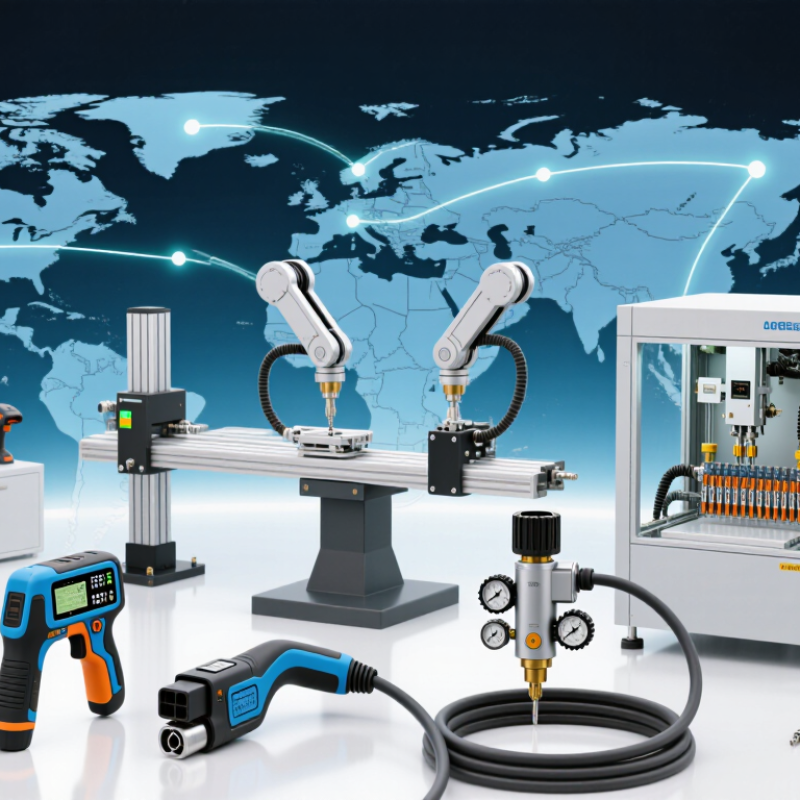
For global buyers, digital crimpers usually fall into three practical types: handheld, benchtop, and powered production models. Handheld units suit repairs and low-volume assembly. Benchtop machines offer steadier pressure and better operator control. Powered models improve output, but they require careful setup and trained users.
Quality starts with repeatable crimp force, accurate displays, and durable jaw surfaces. Ask for calibration records, test samples, and clear error codes. A stable frame reduces uneven crimps. The terminal should hold firmly without damaged insulation. In my inspection experience, sample testing reveals weaknesses that product sheets often hide. Small details matter.
Safety needs more than a protective cover. Look for guarded moving parts, overload protection, stable foot controls, and an accessible stop function. Maintenance should include simple jaw replacement, cleaning access, lubrication guidance, and available spare parts. Check power compatibility before importing equipment. This step is easy to underestimate. Cost performance includes purchase price, electricity, tooling, downtime, training, and service response. A cheaper machine may create higher labor costs through rework. Buyers should calculate the cost per reliable crimp, not the invoice alone. I still question whether every digital feature adds value; sometimes, a clearer display and dependable calibration are more useful than complex software.