2026 Selection Criteria: Standards, Applications, and Lifecycle Performance
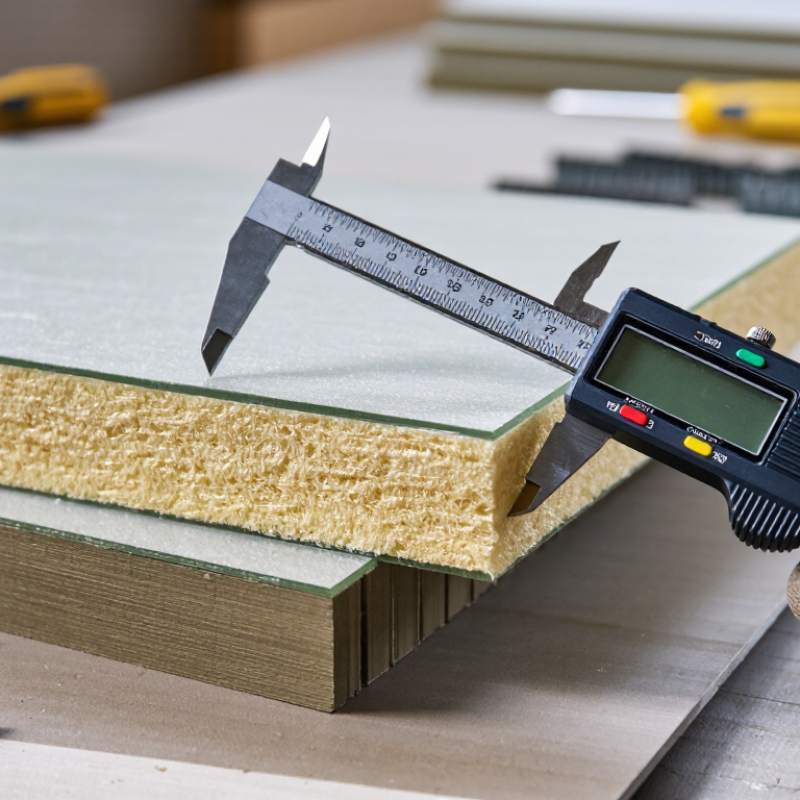
Choosing a glass magnesium rock wool sandwich panel requires more than comparing thickness and price. Confirm the complete assembly, including facings, joints, fasteners, sealants, and supporting frames. Standards should match the project location and use. Depending on the market, verification may include EN 14509, EN 13501-1, ASTM fire tests, thermal testing, and structural load assessment. A certificate alone is not enough. Check its scope, test configuration, and validity.
Application conditions should guide the specification. Cold rooms need stable thermal resistance and carefully sealed joints. Industrial walls may require impact strength, corrosion resistance, and frequent cleaning. High-humidity spaces demand moisture-resistant facings and controlled water drainage. Rock wool can support strong fire performance, but the whole panel system must be tested. Small joint gaps can change real results.
Lifecycle performance often separates a reliable panel from a cheap replacement. Review declared thermal conductivity, dimensional stability, acoustic needs, maintenance access, and expected service conditions. Inspect edges after cutting. Protect panels from standing water during storage and installation. I have seen attractive products lose performance because installers rushed the joints. That is a practical warning. Energy savings should be estimated across the building’s operating period, not only from the purchase invoice. Include repair frequency, cleaning methods, recyclability, and disposal requirements. Some project assumptions will remain uncertain, so record them and review them after one heating or cooling season.