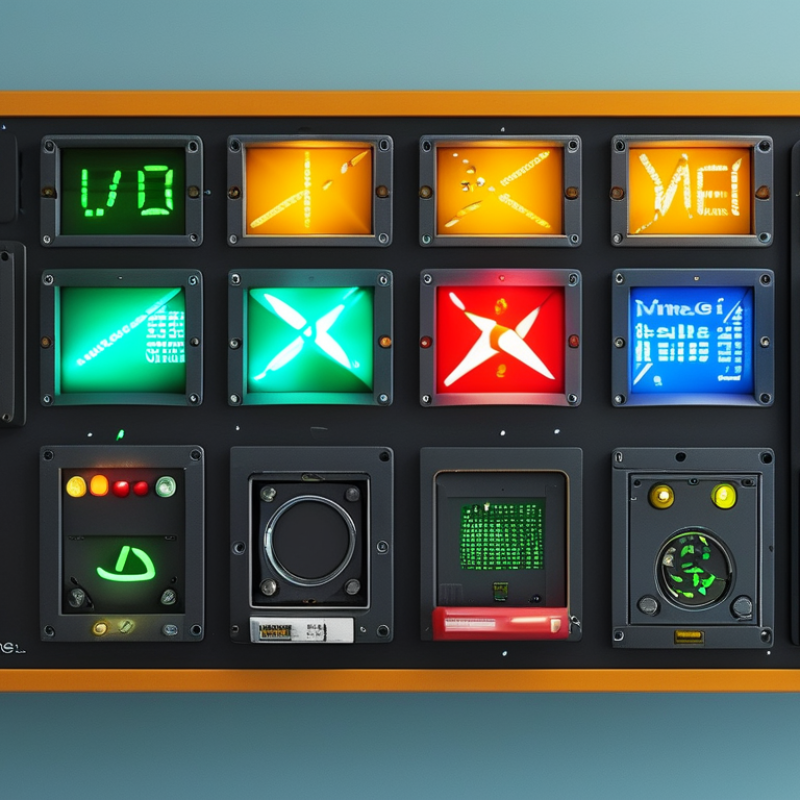
Top 10 Indicator Light Solutions for Your Needs?

In today's fast-paced world, having the right Indicator Light can make a significant difference. These lights serve crucial roles in signaling various statuses and alerts in devices and systems. When utilized appropriately, indicator lights can enhance safety and improve efficiency.

Choosing the best indicator light involves understanding specific needs and environments. Factors like brightness, color, and durability matter. However, many users overlook these details, leading to potential pitfalls. Selecting the incorrect type can result in decreased visibility or even safety risks.

Also, the market offers numerous options, making decisions overwhelming. Each solution has its pros and cons. By exploring the top indicator light solutions, you can make informed choices. Your needs deserve the best, and this guide aims to assist you in identifying the perfect fit.

Top 10 Indicator Light Solutions for Your Needs?

Top 10 Indicator Light Solutions for Enhanced Visibility and Safety

Indicator lights play a crucial role in various settings, enhancing visibility and ensuring safety. They are more than mere decorations; these lights signal important information. Whether on machinery, vehicles, or in public spaces, their purpose is clear - to alert individuals to potential hazards or operational states. The color and brightness of these lights impact how easily they can be noticed.

Choosing the right indicator lights involves understanding your specific needs. For outdoor environments, waterproof and sunlight-readable options are essential. In industrial settings, lights must resist dust and extreme temperatures. The placement of these lights affects their visibility. Poorly placed lights can lead to confusion, undermining safety. It's also vital to consider the frequency of use. Regular maintenance helps ensure they function correctly over time.

While many solutions exist, not all are perfect. Some may lack brightness or fail under adverse conditions. It's crucial to test different options in real-life scenarios. Feedback from actual users can reveal unforeseen issues. Ultimately, effective indicator lights require thoughtful consideration and attention to detail. They must not only meet standards but also fit within the context they serve.

Key Metrics Driving Indicator Light Design: Brightness, Color, and Size

Indicator lights are essential in various devices, guiding users with visual signals. When designing these lights, three key metrics stand out: brightness, color, and size. These elements significantly influence user experience and understanding.

Brightness plays a crucial role. Too dim, and users may overlook the indicator. Too bright, and it becomes distracting. Aim for a balanced level of brightness that enhances visibility without causing strain. Experimentation can help determine the optimal intensity suited for specific applications.

Color is another vital factor. Different colors convey specific meanings. For example, red often signals danger, while green denotes safety. Choosing the right color enhances communication and reduces confusion. Test various color options to find the best fit for your needs.

Size matters too. Smaller lights are less intrusive but can be harder to see. Larger lights are more visible but might disrupt the overall design. Find a comfortable middle ground that serves both aesthetics and functionality.

Tip: Always involve potential users in the design phase. Their feedback will provide insights that you might overlook. Testing your designs in real-world conditions can steer you clear of common pitfalls in indicator light selection. Prioritize visibility and clarity to improve user interaction with your products.

Keep in mind that not every solution will fit every situation. Embrace feedback for continuous improvement. Good design is an iterative process; refine based on experience.

Industry Applications of Indicator Lights: Automotive, Aerospace, and Manufacturing

Indicator lights play a crucial role in various industries. In the automotive sector, these lights signal essential information to drivers and technicians. Often, it's a simple flash that indicates a malfunction, ensuring immediate attention is given. For instance, dashboard indicator lights can help prevent accidents by alerting drivers to potential engine issues.

In aerospace, indicator lights contribute to safety and communication. Cockpits are filled with lights that signify critical information. A pilot may see a red light indicating a malfunction in the hydraulic system. This immediate visual cue can save lives. However, reliance solely on these lights can lead to oversight. Pilots must remain vigilant and not depend entirely on visual signals.

Manufacturing also leverages indicator lights effectively. They indicate machinery status, signal operational issues, and ensure safety protocols are followed. If a machine overheats, a yellow light may flash. Workers should always check these indicators regularly but may overlook them under pressure. A quick tip is to integrate indicator lights with training programs. This can enhance awareness and improve safety in the workplace. Regular checks and system updates are essential for optimal performance.

Technological Innovations in Indicator Lights: LEDs vs. Traditional Bulbs

Indicator lights play a crucial role in signaling important information. The two dominant options in this space are LED lights and traditional incandescent bulbs. Recent studies show that LEDs last up to 25 times longer than standard bulbs. This longevity translates into significant cost savings over time.

Moreover, LED technology is far more energy-efficient, consuming up to 80% less power. According to a report from the U.S. Department of Energy, widespread adoption of LED lighting could save over $30 billion annually in energy costs. The brightness and versatility of LEDs have made them a preferred choice in many applications.

However, one should consider the initial investment. LEDs are more expensive upfront. This can deter some purchasers despite their long-term benefits. Additionally, the color temperature of LEDs can differ significantly. This might impact specific uses where exact color rendering is critical. Understanding these differences is vital for making informed decisions about indicator light solutions.

Top 10 Indicator Light Solutions for Your Needs

Indicator Light Type Technology Lifespan (Hours) Energy Consumption (W) Brightness (Lumens) Color Options
LED Indicator Light LED 50,000 0.5 20 Red, Green, Blue, Yellow
Incandescent Bulb Conventional 1,000 15 12 Red, Green, Amber
Halogen Bulb Halogen 2,000 20 15 Clear, Yellow
Fluorescent Indicator Fluorescent 15,000 10 30 White, Green
SMD LED Light SMD LED 50,000 0.3 25 Red, Blue, Green
Neon Indicator Light Neon 10,000 5 8 Pink, Blue, Green
Bicolor LED Light LED 50,000 0.6 30 Red/Green
Panel Mount Indicator LED 100,000 0.4 15 Red, Green, Yellow
Surface Mount LED LED 50,000 0.4 40 All Colors
Fiber Optic Light Fiber Optic 20,000 1.0 Varies Multi-color

Future Trends in Indicator Light Solutions: Smart Technology Integration

The integration of smart technology in indicator light solutions is a growing trend. These advancements enhance functionality and user experience. For instance, smart indicator lights can now connect to home automation systems. This allows users to receive alerts directly on their smartphones. It brings convenience, but also raises concerns about security and privacy.

Moreover, the aesthetics of indicator lights are evolving. Manufacturers focus on sleek designs that blend with contemporary interiors. However, these designs can sometimes compromise functionality. Brightness and visibility may decrease in certain lighting conditions. Balancing style and practicality becomes a challenge.

As technology advances, the potential for innovative features increases. Features like adaptive lighting and personalized notifications are on the horizon. Yet, ensuring reliability is crucial. Users expect consistent performance, and any failure can lead to frustration. It's essential to consider the potential drawbacks while embracing these trends.

Find the Right Repair Product for Your Project

Need to find the most appropriate product for the needs of your project? We can help because we have over 70 years of experience servicing the industry with every kind of project, from Do-it-yourself projects to large skyscrapers. Package Pavement has the experience, the knowledge and the products to help every project succeed.
Quikrete Repair Products
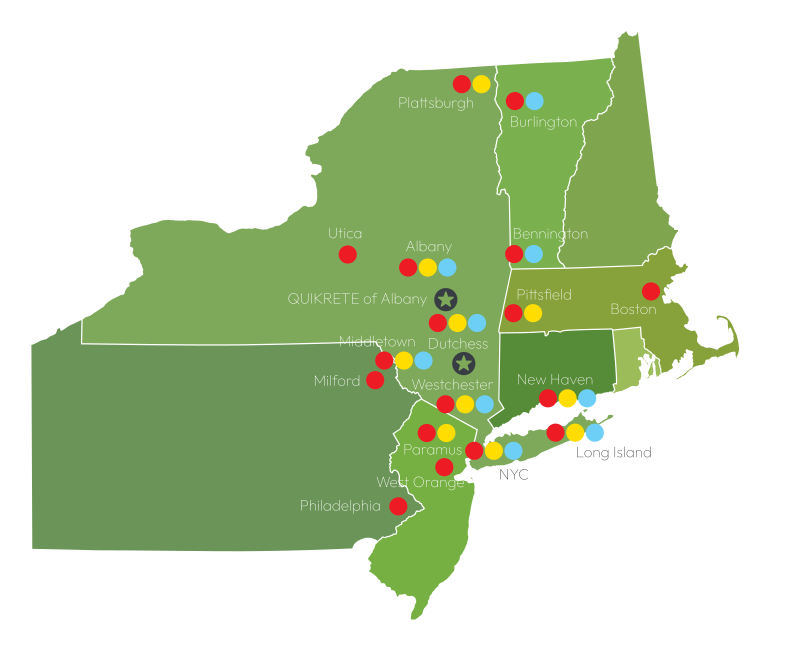
Legend
Package Pavement has two convenient locations in Stormville, NY (Dutchess County) and Ravena, NY (Greene County) to serve the Northeastern Region with bagged concrete, blacktop, mortar, and repair products. This map gives a general idea of where we service and the product lines we offer.
Package Pavement Products
Quikrete Products
Spec Mix Products
map

Our Brands Websites